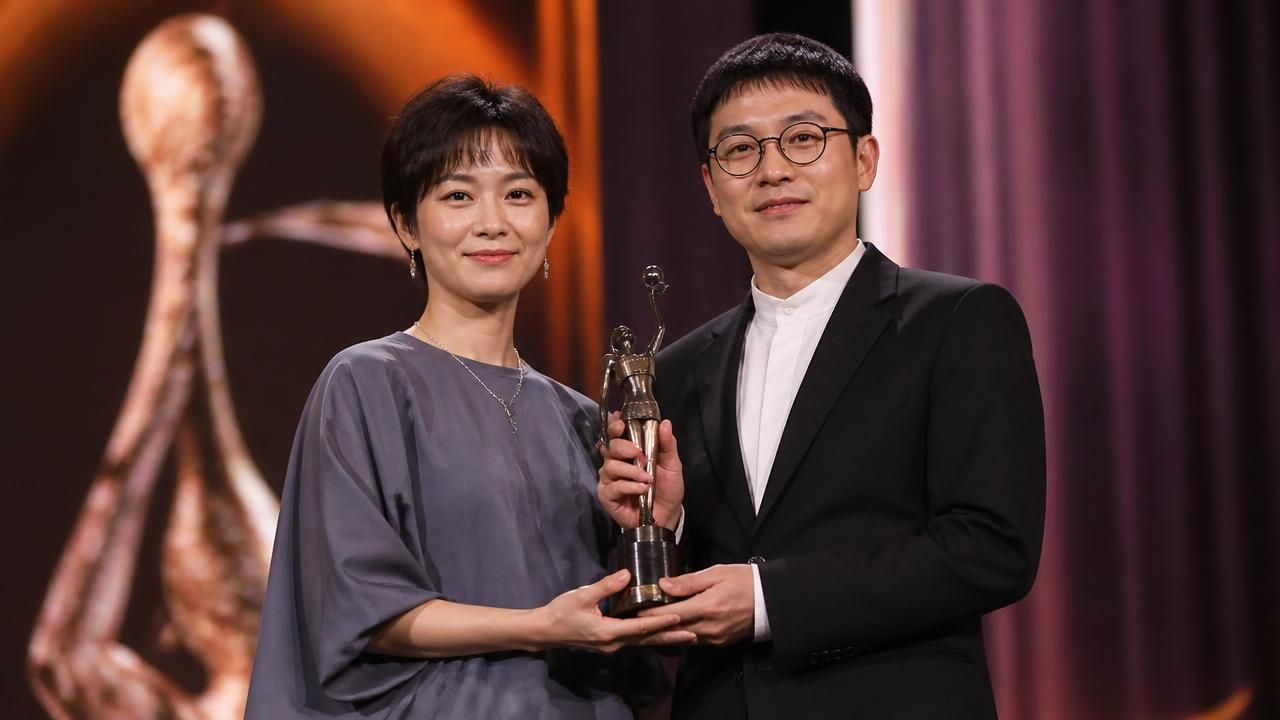
The 2026 International Booker Prize has been awarded to Taiwan Travelogue, a novel that weaves together food, love, and history to interrogate Taiwan's colonial past. The prize, announced in May 2026, has thrust the book and its exploration of identity into the global spotlight, particularly against the backdrop of rising geopolitical tensions over Taiwan's status.
Written by Yáng Shuāngzǐ and translated into English by Lin King, the novel tells the story of a Japanese writer traveling through Taiwan during the Japanese colonial period (1895–1945). Through intimate encounters and culinary experiences, the narrative challenges conventional histories and questions the nature of colonial relationships.
A Deftly Translated Tale
The International Booker judges praised Lin King's translation as 'deft and delicate,' capturing the nuances of the original Chinese while making the story accessible to English readers. The novel, first published in 2023 by the independent press Tilted Axis, beat out five other shortlisted titles from around the world.
According to NPR, the author and translator have discussed how the book rethinks history, colonialism, and identity—topics that resonate deeply in contemporary Taiwan, where debates over the island's colonial ties to Japan and China's increasing pressure for reunification are ever-present.
Adaptation in the Works
The novel's cinematic potential is already being realized. At the Taiwan Creative Content Fest (TCCF) in Taipei in November 2026, an adaptation of Taiwan Travelogue was unveiled as part of a slate of projects exploring colonial-era relationships. Variety reported that the adaptation, still in early development, aims to capture the book's 'sensual and subversive' essence. The project is being produced by a Taiwanese production company and has attracted interest from international partners.
'The story is about the complexity of affection and power during colonization,' said a TCCF panelist, as quoted by Variety. 'Food becomes a metaphor for cultural exchange and domination.'
The event, which draws industry professionals from across Asia and beyond, highlighted a growing appetite for nuanced portrayals of Taiwan's history. According to MSN, the adaptation is one of several projects at TCCF this year that grapple with the island's layered identity.
Geopolitical Echoes
The timing of the book's award and its adaptation could hardly be more charged. China has repeatedly asserted its claim over Taiwan and has criticized any cultural works that imply Taiwanese independence or that highlight its colonial heritage as separate from China's. The novel's treatment of Japanese colonialism—a period some Taiwanese view with nostalgia for its development, others as a brutal occupation—adds further complexity.
As Asia Society's book salon (held earlier in 2026) noted, Taiwan Travelogue does not simply take sides; it explores the gray areas of history through personal relationships. The panel at that salon discussed how the book's protagonist, a Japanese writer named Ayako, gradually sheds her colonial gaze and forms genuine bonds with Taiwanese people, even as structural inequalities remain.
Critical Acclaim and Public Debate
The International Booker win has amplified these conversations globally. Reviews have highlighted the novel's lush prose and its refusal to offer easy answers. In Taiwan, the book has sparked debates in literary circles and online forums about how to remember the colonial era. Some critics argue it romanticizes Japanese rule, while others praise it for giving voice to silenced perspectives.
Lin King, the translator, told NPR that she wanted to 'preserve the ambiguity of the original,' allowing English readers to feel the same discomfort and curiosity that the novel evokes. Yáng Shuāngzǐ, in an interview with the Booker Prize Foundation, emphasized that the book is 'not a history lesson but a meditation on how we love across borders of power.'
Implications for Cultural Policy
The success of Taiwan Travelogue also reflects broader trends in world literature. Small, independent presses like Tilted Axis have been at the forefront of bringing works from underrepresented regions and languages to international attention. The International Booker's recognition of such a work signals a growing appetite among readers for stories that challenge dominant historical narratives.
For Taiwan, the novel serves as a soft-power tool, showcasing the island's cultural richness and complex identity on the world stage. However, it also risks antagonizing Beijing, which has previously pressured publishers and festivals to avoid 'pro-independence' content. The adaptation at TCCF may face similar scrutiny as it moves toward production.
As the Booker Prize ceremony concluded, the debate over Taiwan Travelogue is far from over. The novel and its adaptation are likely to continue to fuel conversations about colonialism, identity, and the power of storytelling—both in Taiwan and around the world.