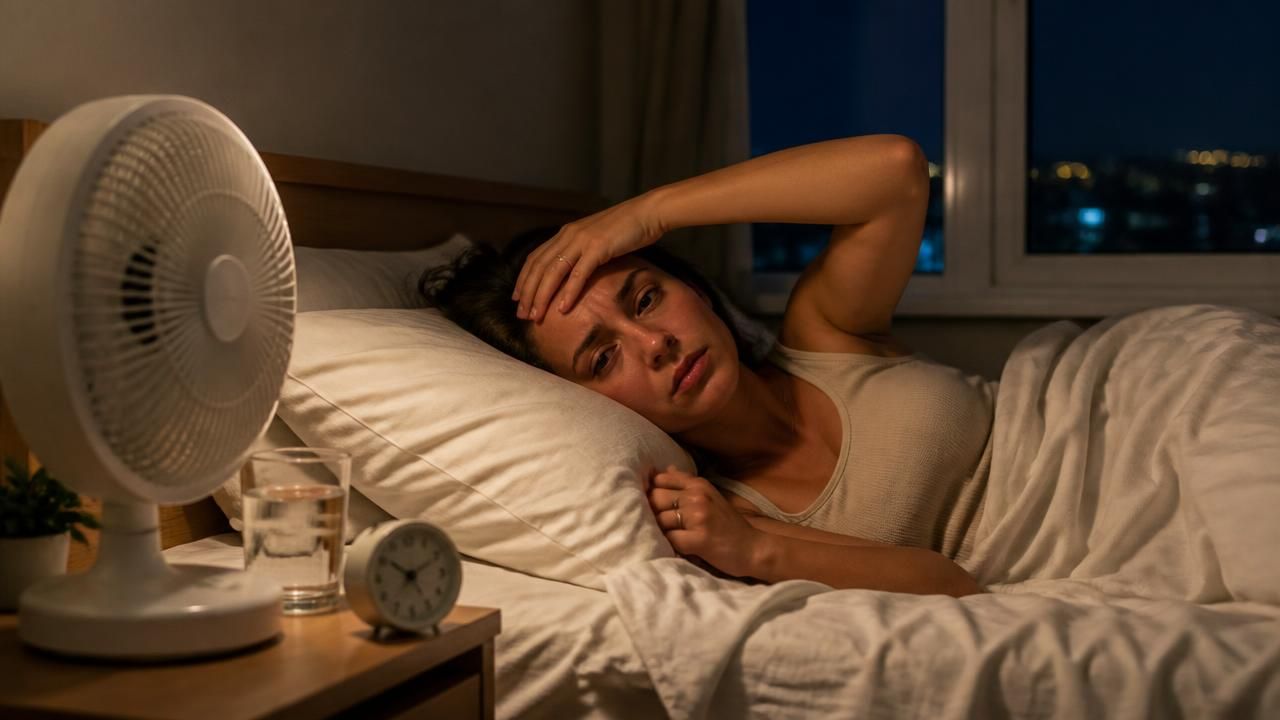
As temperatures soar across the globe, millions are tossing and turning, desperately seeking respite from the heat. The struggle is real: high ambient temperatures delay sleep onset, reduce slow-wave sleep, and fragment rest, leaving us groggy and irritable. But a wealth of expert advice — from sleep scientists at Loughborough University to seasoned Australian heatwave survivors — offers a toolkit of effective strategies. Here’s your comprehensive guide to sleeping soundly when the mercury won’t drop.
Why Heat Wrecks Sleep
Our bodies need a core temperature drop of about 1°C to initiate and maintain sleep. When the bedroom is hot, that natural cooling mechanism is hindered, disrupting the delicate circadian rhythm. As The Guardian explains, “Hot weather makes it harder for your body to cool down, making it more difficult to fall asleep and stay asleep.” This isn't just discomfort; it’s a physiological obstacle.
Cooling the Room: The First Line of Defense
Prevent Heat Buildup During the Day
Science Daily emphasizes: “Start by stopping the home from overheating. Close blinds against strong sunlight, ventilate when the air outside becomes cooler, and avoid using heat-producing appliances during the hottest hours.” This proactive approach is echoed by the UK Health Security Agency, which recommends keeping curtains shut and windows open only when outside air is cooler.
Optimize Your Sleeping Environment
For those without air conditioning, simple adjustments make a significant difference. House Beautiful suggests moving to a cooler room — even a basement or ground floor can be several degrees cooler. The Spruce adds that ceiling fans should rotate counterclockwise in summer to create a wind-chill effect. A clever trick from multiple sources: place a bowl of ice in front of a fan to create a makeshift air conditioner.
“Putting a bowl of ice in front of a fan can lower the room temperature by a few degrees,” notes an expert from Loughborough University.
Bedding and Sleepwear: The Right Materials Matter
Swap synthetic sheets for natural fibers like cotton or linen, which wick moisture and breathe. The American Heart Association advises choosing light bedding and avoiding fluffy comforters. Some outlets recommend the “Egyptian cotton sheet” or “bamboo” fabrics. As for sleepwear, sleep naked? Not necessarily — ELLE warns that “sleeping naked isn't one of them” (the top tips) because sweat can evaporate better when there’s a thin layer of fabric to wick moisture. Opt for loose, light cotton pajamas.
The Frozen Hot Water Bottle Hack
A viral trick gaining traction across Woman & Home, Nine.com.au, and others: fill a hot water bottle with water and freeze it, then place it under your pillow or at your feet. It cools your body without chilling the whole room. “This 'genius' frozen hot water bottle hack is keeping us cool,” raves Woman & Home.
Body Cooling Techniques
Take a lukewarm shower before bed — not cold, as that can cause a rebound heat surge. The BBC and Vox suggest a tepid bath or using a damp washcloth on pulse points (wrists, neck, ankles). Good Housekeeping cites “science-backed tricks” like cooling your pulse points with an ice cube wrapped in a cloth.
Staying hydrated is crucial, but avoid large amounts right before bed to prevent night-time bathroom trips. Sip cool water throughout the day, and consider eating lighter meals in the evening.
Expert Perspectives from Around the World
An Australian writer for The Guardian shares: “In Australia, we swear by the 'two-sheet method' — sleep with a thin cotton sheet, then a light blanket that can be kicked off. Also, wet a facecloth and put it in the freezer; place it on your forehead.” Another tip from the Australian context: “Heat the human, not the home,” meaning focus on personal cooling rather than trying to cool the entire house.
A Loughborough University scientist advises: “Our body temperature naturally drops before sleep. Help it along by avoiding exercise and heavy meals close to bedtime.” The American Heart Association also warns that heat stress can strain the cardiovascular system, so staying cool isn’t just about comfort — it’s a health necessity.
For Parents: Keeping Kids and Babies Cool
BBC Newsround and Hello! Magazine offer specific advice for little ones: dress babies in a single layer of cotton, use a lightweight muslin sheet, and check their room temperature. The “heat the crib trick” using a hot water bottle is deemed unsafe by Today’s Parent due to burn risks. Instead, use a fan safely placed out of reach and keep the nursery well ventilated.
What About Air Conditioning?
If you have AC, experts recommend setting the thermostat between 68-72°F (20-22°C) for optimal sleep, as per PhillyBurbs and Real Simple. However, be mindful of energy costs — program it to be a bit warmer during the day and cooler at night. For those without AC, the tips above become essential.
Recovering After a Bad Night
If you’ve already suffered a sleepless night, MSN and Good Housekeeping offer science-backed recovery strategies: expose yourself to morning light to reset your circadian clock, take a short nap (under 20 minutes), and avoid caffeine after midday. “The key is to not oversleep the next day,” notes a sleep expert.
The Bottom Line
Sleeping in extreme heat requires a multi-pronged approach: cool the environment, choose the right bedding, cool your body effectively, and adjust your routine. As climate change drives more frequent and intense heatwaves, these skills are becoming essential. As one BBC article concludes, “A few simple changes can make a world of difference.” So close those blinds, freeze that hot water bottle, and sleep tight — even when the weather is anything but.