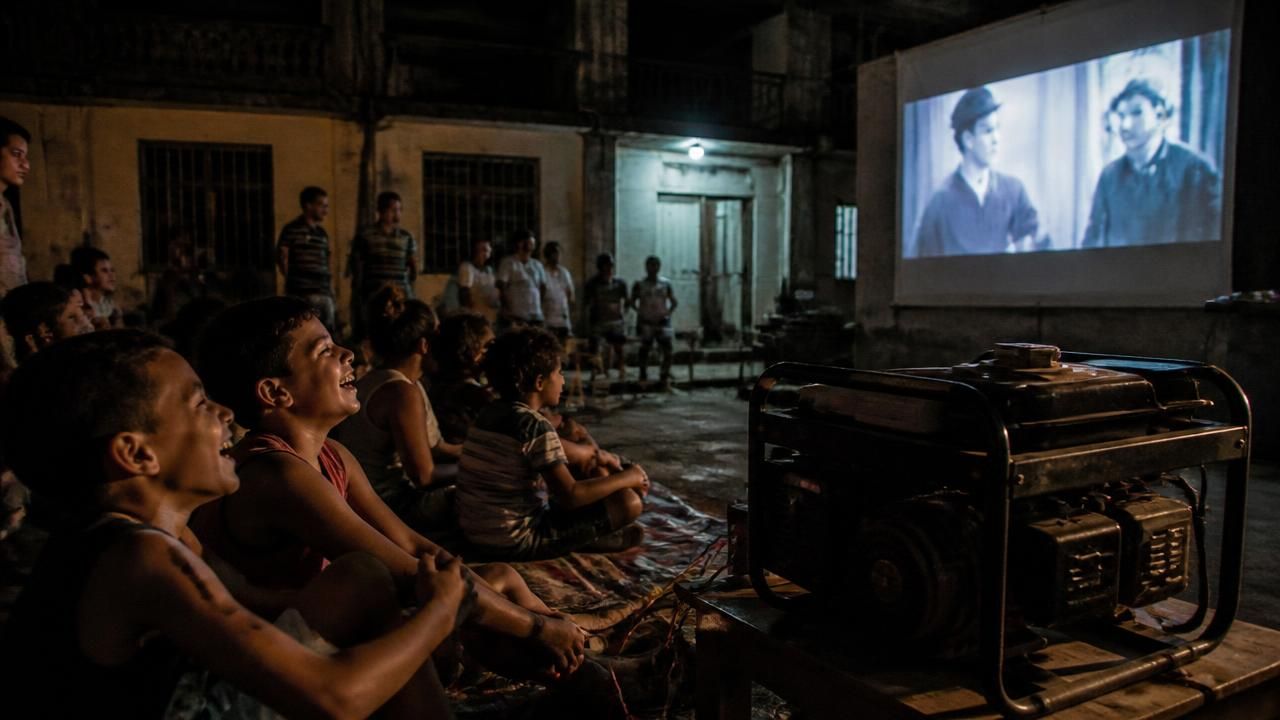
In a dimly lit Havana neighborhood, children giggle as a movie flickers on a screen powered by a modified generator. This scene, captured by New York Times correspondent Jack Nicas, is a rare moment of joy in a country plunged into darkness. Across the island, from Vedado to Santiago, Cubans are enduring a brutal energy crisis marked by repeated nationwide blackouts. The U.S. oil blockade, intensified under the Trump administration, has strangled fuel supplies, leaving the nation's power grid in a chronic state of collapse.
The Blackout Crisis: A Recurring Nightmare
Over the past week alone, Cuba has suffered at least two nationwide blackouts, with the power grid failing on March 21 and again on March 23, as reported by CNN. The second outage plunged the entire island into darkness, affecting hospitals, water pumps, and transportation. According to Inkl, this was the fourth nationwide blackout in five months, highlighting a systemic failure. The state-run National Electric System (SEN) has struggled to maintain even basic service, with daily rolling blackouts becoming the norm. The crisis reached a grimly ironic peak when Cuban state television experienced a power outage during its broadcast about the blackouts, as noted by a Facebook post from the Cuban National Television News.
Root Causes: The Trump Administration’s Oil Blockade
The immediate trigger is the severe shortage of fuel oil needed to run the country's aging power plants. Since early 2025, the Trump administration has enforced a stringent oil blockade, cutting off supplies from Venezuela and other traditional partners. In March, Trump mused about “taking Cuba” as the grid collapsed, according to CNN. The U.S. has also sanctioned ships transporting oil to the island, though it made an exception for a Russian oil tanker, as reported by the New York Times. Trump stated he had “no problem” with the Russian vessel bringing relief, but critics argue such piecemeal measures fail to address the broader crisis.
“The blockade is a form of economic warfare that is suffocating the Cuban people,” said a Havana resident in an interview with CNN.
Human Toll: From Elevators to Kitchens
The blackouts have turned everyday life into a struggle. The Latin American Post reported that elevators become traps, trapping residents between floors, and kitchens double as clinics where patients rely on candlelight for medical procedures. Food spoilage is rampant, and air conditioning is a distant memory. In Havana, a couple featured by the Los Angeles Times keeps their weekly dance night alive, dancing by flashlight as a form of resistance. “We refuse to let the darkness win,” the husband told reporters.
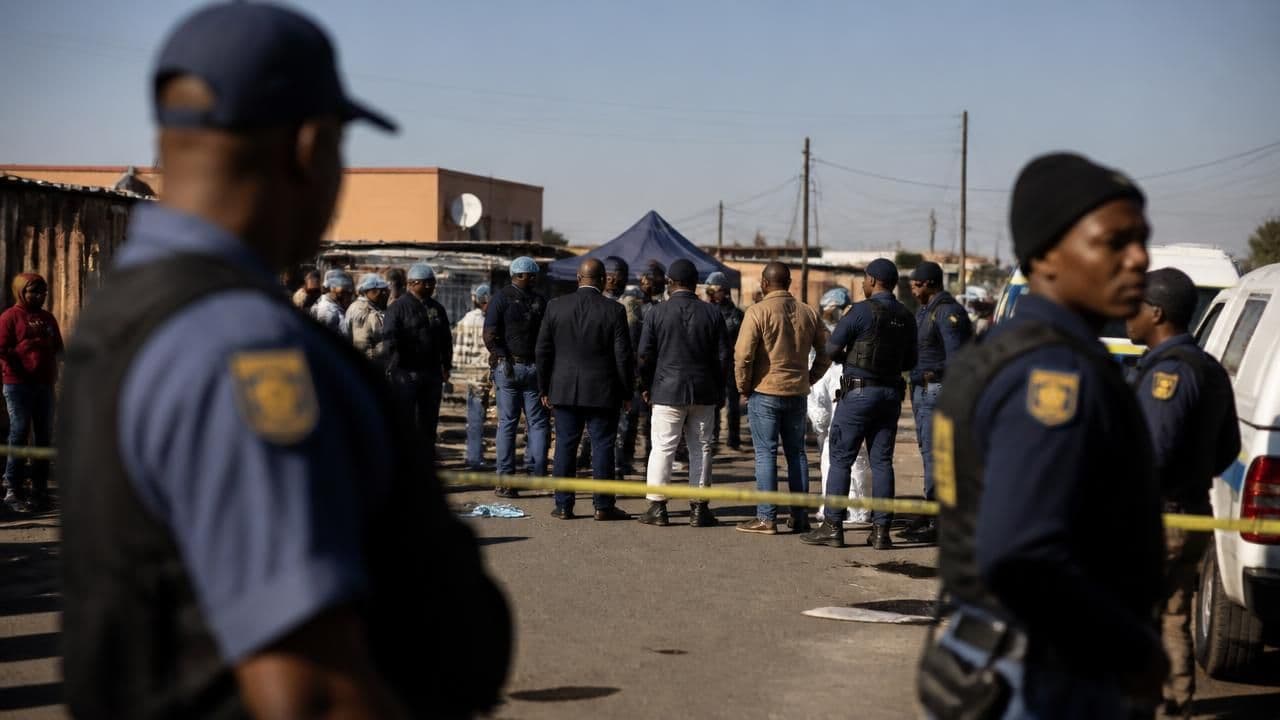
Protests have erupted as frustrations boil over. The New York Post described a violent night where Cubans chanted “Down with Communism” and attacked a government building. In contrast, a concert by pro-government artists, staying at a five-star hotel, drew accusations of hypocrisy—dubbed “champagne socialists” by critics.
Government Response and International Aid
Cuba’s government has scrambled to restore power, focusing on restarting the Antonio Guiteras power plant, the country’s largest. On March 23, authorities announced the system was gradually being restored, as noted by De Ultimo Minuto. However, ABC News reported that an oil delivery from Mexico provided only temporary relief, not enough to prevent further outages. The U.S. allowing a Russian oil tanker to dock in Cuba signals a temporary easing, but long-term stability remains elusive.
The Geopolitical Dimension
The crisis has reignited debate over U.S. policy. Trump’s rhetoric about annexing Cuba has drawn comparisons to historical interventionism, while analysts point to the contradictions of a blockade that simultaneously permits Russian aid. The situation has also strained relations with allies. Meanwhile, Cuba’s cultural resilience shines through: the ballet dances on, as reported by the Latin American Post, and movie nights powered by generators offer a brief escape. As one Havana mother told the NYT, “This is how we endure—together, in the dark.”
Looking Ahead
With no end to the blockade in sight and Cuba’s infrastructure crumbling, the nation faces a stark future. Experts warn that without significant investment and fuel supplies, the blackouts will persist, testing the limits of Cuban endurance. As the world watches, the island’s flickering lights serve as a powerful symbol of both suffering and resilience.