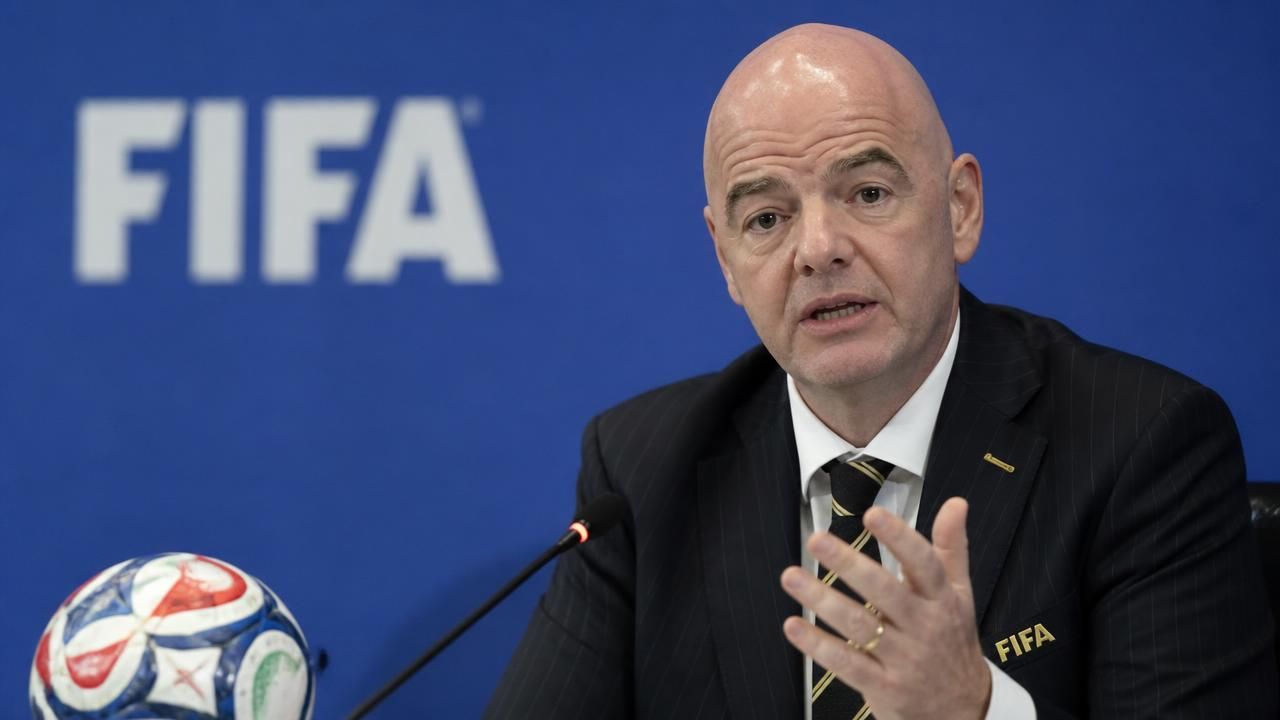
FIFA President Gianni Infantino has unveiled a controversial plan to sell minority stakes in a newly created $20 billion subsidiary that would manage the commercial rights of the World Cup, a move that has ignited a firestorm of criticism from UEFA and raised questions about governance and conflicts of interest. The initiative, first reported by multiple outlets, involves selling up to 49% of the entity to private investors, including a consortium led by Joshua Kushner, the brother of former Trump administration official Jared Kushner.
The Proposal: A New Commercial Vehicle
According to sources, FIFA plans to create a standalone company that would handle all commercial and media rights for the men's and women's World Cups from 2026 onward. The organization aims to raise billions by selling a minority slice—potentially 25% to 49%—to outside investors, with an initial valuation of the subsidiary placed at $20 billion. The money raised would be used to fund FIFA's operations and development programs, particularly in emerging football markets.
A consortium led by Kushner's investment firm, Affinity Partners, is reportedly in advanced talks to acquire a stake. The involvement of Josh Kushner, whose brother Jared served as a senior adviser to former President Donald Trump and married to Ivanka Trump, has added a political dimension to the story. Some outlets, such as Times Now, explicitly linked the plan to Trump connections, noting that Jared Kushner's own investment fund, Affinity Partners, counts Saudi Arabia's Public Investment Fund as a major backer.
UEFA's Fury: 'A Threat to the European Game'
The reaction from European football's governing body has been swift and severe. UEFA issued a furious statement denouncing the plan as
“a reckless and cynical money-making scheme that would undermine the integrity of the World Cup and the entire football pyramid.”UEFA president Aleksander Čeferin reportedly warned of a potential boycott by European nations if the proposal moves forward. Sources told The Chronicle and AOL that UEFA has discussed coordinating a boycott of the World Cup among its 55 member associations.
European clubs and leagues have also expressed alarm. The European Club Association and the European Leagues have voiced concerns that private investors could prioritize profits over the sport's development. In a separate statement, UEFA said it was
“reviewing all legal and political options to protect the game.”
Infantino's Defense: A Necessary Evolution
Defending the plan, Infantino argued that it would provide financial stability and accelerate growth. In a private meeting with FIFA council members, he said,
“We must seize this opportunity to maximize the value of our flagship event. The World Cup deserves the same commercial sophistication as the Olympics or the Super Bowl.”He emphasized that FIFA would retain majority control and that the investors would have no say in tournament decisions, such as host selection or rule changes.
However, critics point to the precedent of other sports bodies selling equity. The International Olympic Committee has not sold stakes in the Olympics, and the NFL retains full control over its properties. Moreover, the involvement of politically connected investors has led to accusations that FIFA is seeking to monetize its most valuable asset in a short-sighted manner.
A Closer Look at the Kushner Connection
Joshua Kushner's Affinity Partners, launched in 2021 with backing from the Saudi sovereign wealth fund, has been expanding its sports investments. The firm previously invested in the esports company FaZe Clan and the digital media platform The Athletic. Some reports, including from Yahoo Finance, suggest that the Kushner consortium is only one of several potential bidders, but its prominence has fueled speculation about political influence.
Jared Kushner's ties to Saudi Arabia, where he helped broker business deals after leaving the White House, have drawn scrutiny. Times of Israel noted that the plan
“could give a former Trump official's family yet another foothold in international sports.”Meanwhile, RTE reported that the proposal was initially met with skepticism within FIFA's own council, with some members questioning the rushed timeline.
The Bigger Picture: FIFA's Financial Ambitions
FIFA has been aggressively seeking new revenue streams after the COVID-19 pandemic caused financial strain. The organization reported a $1.2 billion deficit in 2022, though it has since rebounded. The 2022 World Cup in Qatar generated over $7.5 billion in revenue, and FIFA projects that the 2026 tournament in the US, Canada, and Mexico will be even more lucrative. Selling a stake in the subsidiary would unlock immediate capital without borrowing.
Critics argue that this short-term cash comes at a long-term cost. Handing commercial control to private investors could lead to higher broadcast fees, increased ticket prices, and reduced investment in grassroots soccer. UEFA has warned that
“private equity models in other sports have ultimately led to more inequality and fan alienation.”
What Happens Next?
Infantino is expected to present the plan formally at the next FIFA Council meeting in April. However, UEFA's threat of a boycott has already created a crisis. European nations are the biggest contributors to World Cup viewership and revenue. A boycott by UEFA members could undermine the tournament's value, potentially collapsing the deal. Several sources, including ABC News Australia, reported that European football associations are considering legal action to block the sale.
Meanwhile, other stakeholders have voiced concerns. Players' unions, such as FIFPRO, have called for transparency, while fan groups have launched online petitions against the move. The battle lines are drawn: Infantino is betting that the allure of billions will outweigh the risks, but UEFA's fury suggests a major clash ahead.
As the story develops, the football world watches closely. Will FIFA proceed with the sale, or will the backlash force a retreat? The answer may define the future governance of the world's most popular sport.