In a dramatic turn of events, President Donald Trump announced on Monday that the United States and Iran will resume talks on Tuesday in Qatar, despite a weekend of attacks in the Gulf that threatened to derail diplomatic efforts. The announcement came after Iranian forces reportedly clashed with U.S. naval vessels in the Strait of Hormuz, raising tensions in the volatile region. However, mediators have been working behind the scenes to establish de-escalation channels, according to a source familiar with the matter.
Talks in Qatar: A Fragile Diplomatic Path
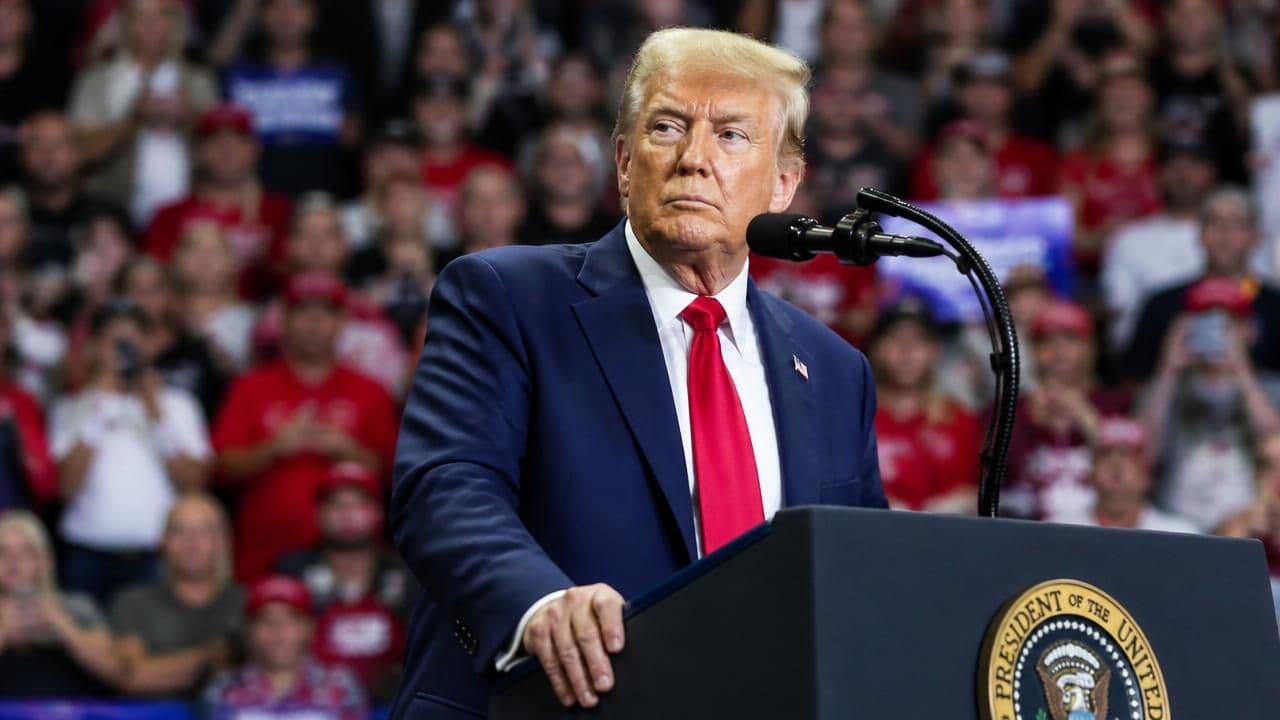
President Trump stated that the meeting would take place in Qatar, a Gulf state that has often served as a mediator between Washington and Tehran. “We will be meeting with Iran in Qatar on Tuesday,” Trump told reporters at the White House. “Despite the attacks over the weekend, we believe diplomacy can still work.” However, Iran has not yet confirmed its participation, leaving the status of the talks uncertain. The Qatari government has not publicly commented on the negotiations.
Weekend Attacks Threaten Peace Deal
The announcement follows a series of clashes in the Gulf that threatened to unravel a potential peace deal. According to reports, Iranian fast-attack boats harassed U.S. Navy vessels in the Strait of Hormuz, a critical waterway for global oil shipments. The U.S. military responded with warning shots, but no casualties were reported. The incidents marked the most serious confrontation between the two nations in months. Some analysts had speculated that the attacks could scuttle any chance of dialogue, but Trump’s statement suggests a willingness to press ahead.
Mediators Build De-escalation Channels
Behind the scenes, mediators have been working to ensure that communication lines remain open. A source told Reuters that “de-escalation channels” have been set up to prevent misunderstandings from spiraling into conflict. These channels, likely involving Qatar and possibly Oman, are designed to allow both sides to quickly clarify intentions and avoid escalation. The source added that the weekend attacks underscored the need for such mechanisms.
Contrasting Perspectives from Sources
The story is being framed differently by various outlets. NPR and kmuw.org focus on Trump’s announcement and the uncertainty of Iran’s participation, while msn.com headlines emphasize the threats of new attacks and the Hormuz clashes. Reuters highlights the behind-the-scenes mediation efforts, providing a more nuanced view of the diplomatic process. NBC News, like msn.com, stresses the fragility of the peace deal. These differing perspectives reflect the complexity of the situation: while the U.S. projects confidence in talks, the reality on the ground remains tense.
Historical Context: A Pattern of Rapprochement and Conflict
The U.S. and Iran have a long history of strained relations, punctuated by brief periods of détente. The 2015 nuclear deal, which Trump withdrew from in 2018, was a high point of diplomacy. Since then, the U.S. has pursued a “maximum pressure” campaign of sanctions, while Iran has escalated its nuclear program and supported proxy forces in the region. The current talks in Qatar represent the first direct negotiations since 2022, when indirect talks in Vienna collapsed. The weekend attacks highlight the risks of such diplomacy, as hardliners on both sides may seek to undermine progress.
Expert Views and Implications
Experts are divided on the prospects for success. “The fact that both sides are still willing to talk after a military confrontation is a positive sign,” said Dr. Sarah Miller, a Middle East analyst at the Center for Strategic and International Studies. “But the distrust is deep, and any agreement will require significant concessions.” Others warn that the talks could be a smokescreen for further escalation. “Trump has threatened new attacks if talks fail,” noted NBC News, citing the president’s comments. The outcome of Tuesday’s meeting could shape the region’s stability for years to come.
Data Points and Key Figures
- The Strait of Hormuz sees about 20% of global oil transit daily.
- U.S. and Iran have held at least three rounds of indirect talks since April 2023.
- Iran’s nuclear enrichment has reached 60% purity, close to weapons-grade.
What’s Next?
All eyes are on Doha, where U.S. and Iranian delegations are expected to meet. Whether Iran shows up remains unclear, but the mediators’ work suggests that both sides see value in dialogue. For now, the world watches as two longtime adversaries test the waters of diplomacy once more.