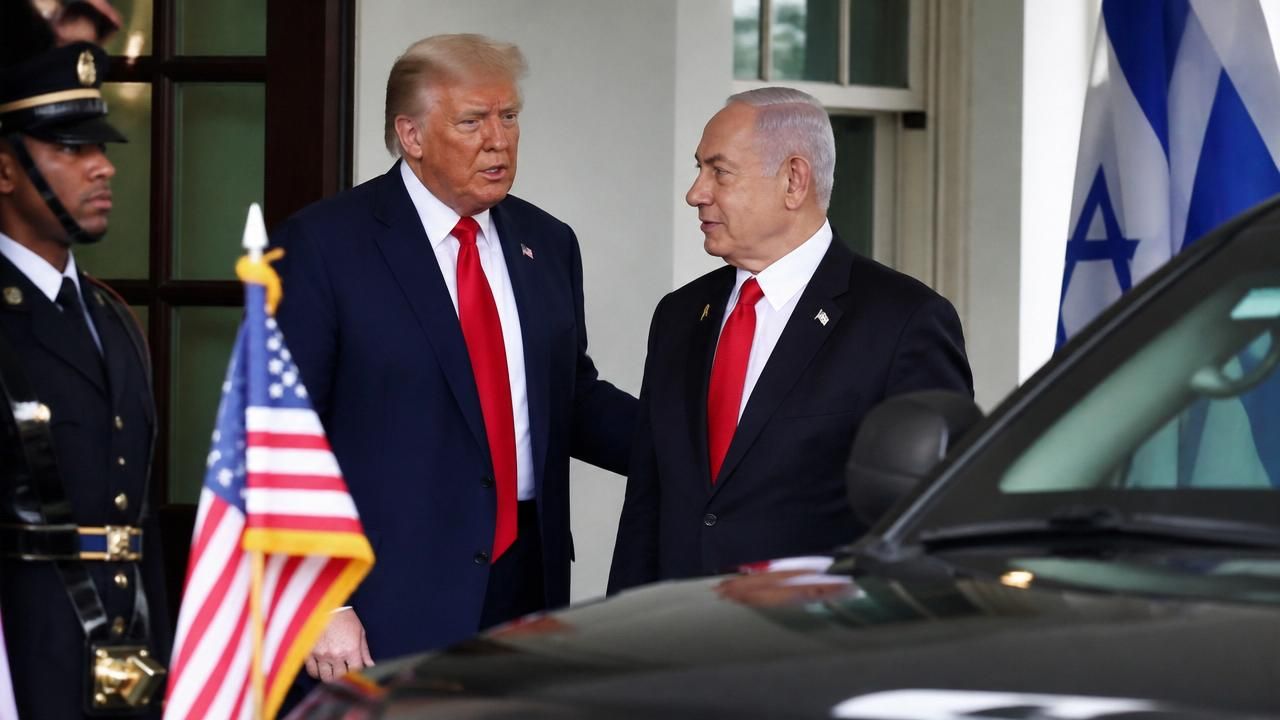
Israeli Prime Minister Benjamin Netanyahu is set to meet President Donald Trump in Washington this week for their first face-to-face encounter since the outbreak of the Iran war. The high-stakes meeting, confirmed by multiple sources including the White House and the Prime Minister's Office, comes at a critical juncture for both leaders, who are grappling with domestic political turmoil and the escalating regional conflict.
Agenda: Beyond Iran
While the war with Iran is expected to dominate discussions, the meeting's agenda is broader. According to reports from Ynetnews and MSN, talks will also cover the situation in Gaza, Saudi Arabia's nuclear ambitions, and Turkey's assertive regional posture. Netanyahu's office emphasized that the meeting will focus on "strengthening the alliance" and coordinating strategy on Iran, but sources suggest the two leaders have a packed schedule.
The Iran War Context
The meeting marks a significant moment in the U.S.-Iran conflict, which began earlier this year after Trump authorized military strikes in response to alleged Iranian provocations. The New York Times reported that Netanyahu was a key ally in urging Trump to take military action, a claim that has fueled criticism back home. Now, as the war drags on and U.S. casualties mount, Trump faces growing pressure to end the conflict, while Netanyahu is up for reelection amid a strained relationship with the American president.
"Iran is top of the agenda," Netanyahu told reporters before departing. "We will ensure that Iran never possesses a nuclear weapon."
Fox News quoted Netanyahu rejecting reports of a rift with Trump, insisting they remain "fully aligned" on Iran. However, Axios reported that Trump recently told confidants that Netanyahu "knows who the boss is," a remark that has rankled Israeli officials. The meeting, first announced after a phone call between the two leaders, is seen as an opportunity to reset the relationship.
Domestic Pressures on Both Sides
Netanyahu arrives in Washington embattled. His corruption trial is ongoing, and his coalition government has faced instability. The Washington Post noted that his deteriorating relationship with Trump—once his strongest ally—was a factor in his political woes. Trump, meanwhile, is under fire for the unpopular war. A CNN analysis suggested that this time, the meeting might not go according to script, as both leaders have diverging interests.
Politico reported that Netanyahu "may not like what comes with" the White House meeting, hinting that Trump could press Israel for concessions, including a ceasefire with Hamas and limits on settlement expansion. Some sources, like that obtained from the BBC's coverage, indicated that the meeting was initially requested by Netanyahu, but Trump's camp has sought to portray it as a show of strength.
Scenes from the Past
The relationship between Trump and Netanyahu has been a rollercoaster. During Trump's first term, the two bonded over their shared disdain for the Iran nuclear deal and Trump's recognition of Jerusalem as Israel's capital. But the Iran war has tested their alliance. NPR News noted that the meeting comes as "both face pressures at home" and that the encounter is a chance to "smooth over strains."
- Netanyahu's first visit to the White House since the Iran war began.
- Key issues: Iran, Gaza, Saudi nuclear program, Turkey.
- Trump's "knows who the boss is" comment adds tension.
- Both leaders face domestic challenges: Netanyahu's reelection bid, Trump's war unpopularity.
What to Expect
Analysts are divided on the outcome. Some expect a cordial meeting with a united front on Iran, while others predict awkward exchanges. The meeting is scheduled to include a press conference, but details remain uncertain. As the world watches, the decisions made in Washington could reshape the Middle East for years to come.
In a rare moment of public commentary, Trump told reporters: "We have a great relationship with Israel. We'll see what happens." Netanyahu, for his part, has downplayed any discord, telling Israeli media: "The U.S.-Israel alliance is stronger than ever."
With the Iran war raging and both leaders under siege at home, this meeting may be the most consequential of their partnership.