A massive outbreak of cyclosporiasis, a parasitic illness causing severe, watery diarrhea, has swept across the United States, with the Centers for Disease Control and Prevention (CDC) reporting a record high of over 11,500 confirmed and probable cases across 41 states. The outbreak, which has led to more than 300 hospitalizations, has been linked primarily to Taylor Farms' iceberg lettuce sold at Taco Bell and other retailers, though five other outbreaks with no identified source are also under investigation by the Food and Drug Administration (FDA).
What Is Cyclospora?
Cyclospora cayetanensis is a single-celled parasite that infects the small intestine, causing watery diarrhea—often described as 'explosive'—along with stomach cramps, nausea, loss of appetite, fatigue, and sometimes fever. The parasite is spread through ingestion of food or water contaminated with human feces. Outbreaks are typically associated with fresh produce like leafy greens, basil, cilantro, snow peas, green onions, and raspberries, as the parasite can adhere to surfaces and survive in cool, damp conditions.
According to the CDC, symptoms usually appear about a week after exposure and can last for weeks if untreated. The disease is treatable with antibiotics, but many cases go unreported because symptoms can be mild or mistaken for other gastrointestinal illnesses.
The Scope of the Outbreak
Data from multiple sources indicate the outbreak is unprecedented. Michigan alone has reported 9,253 cases as of July 27, making it the epicenter. Other states with significant numbers include Texas, Ohio, and New York. The largest confirmed outbreak is linked to Taylor Farms' iceberg lettuce, with thousands sickened across nine states. Ohio's cases have doubled in recent weeks, according to the Columbus Dispatch.
Health officials emphasize that the actual number of infections is likely much higher, as many people do not seek medical care or get tested. The CDC's case count includes both confirmed and probable cases, with probable cases based on symptoms and exposure history.
Foods to Avoid and Safe Alternatives
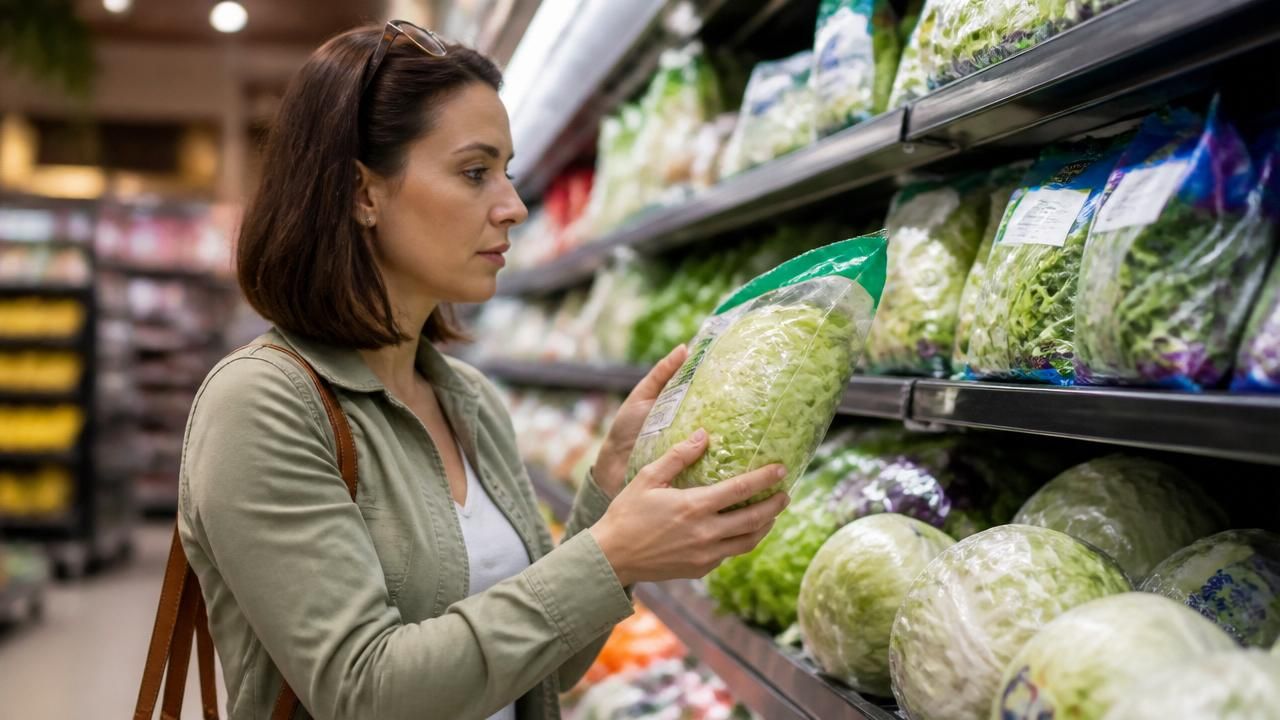
In light of the outbreak, many consumers are wondering what produce is safe to eat. The FDA advises avoiding iceberg lettuce from Taylor Farms and any products containing it, such as salad mixes and fast-food items from Taco Bell. However, experts caution against abandoning fruits and vegetables altogether.
'No, You Shouldn't Avoid Fruits and Vegetables Due to Cyclospora,' reads a headline from Consumer Reports, echoing a sentiment shared by food safety experts. 'The health benefits of eating fresh produce far outweigh the risks, especially if you take proper precautions.'
Sources like Vox and Serious Eats suggest that cooking vegetables kills the parasite, so cooked produce is safe. Additionally, fruits that are peeled—such as oranges, bananas, and melons—pose minimal risk. Thoroughly washing all produce under running water and scrubbing firm-skinned items can reduce but not eliminate the risk, as Cyclospora can be stubbornly adherent.
What to Wash and How
- Rinse all fresh produce under running tap water before eating, cutting, or cooking.
- Use a clean produce brush on firm items like cucumbers and potatoes.
- Soak leafy greens in cold water for a few minutes, then rinse.
- Do not use soap, bleach, or commercial produce washes—they are not necessary and may leave residues.
Political and Public Health Context
The outbreak has drawn attention from Health Secretary Robert F. Kennedy Jr., a known vaccine skeptic who has urged Americans to 'eat real food,' including fresh fruits and vegetables. But, as Ars Technica notes, the outbreak undermines that message when real food itself is causing explosive diarrhea. RFK's comments highlight a tension between promoting healthy eating and ensuring food safety.
Some outlets, like The Guardian and CNN, have framed the story as a cautionary tale about the vulnerability of the industrial food system, where a single contaminated batch can sicken thousands across multiple states. Others, like USA Today, focus on practical prevention tips, while The New York Times provides a broader perspective on the rising trend of foodborne illnesses linked to imported produce.
Differing Perspectives
The media coverage varies in tone and emphasis. CNN and Today.com provide interactive maps tracking the outbreak and offer lists of foods to avoid. Vox and Consumer Reports take a more level-headed approach, urging people not to panic and to continue eating vegetables. The New York Times and The Guardian offer in-depth explanations of the parasite and its epidemiology.
Some sources, like AOL and MSN, have sensationalized the 'explosive diarrhea' angle, while food-focused sites like Serious Eats and Consumer Reports emphasize that the risk is relatively low if you follow basic food safety guidelines. The Detroit Free Press provides localized advice for Michigan residents, who have been hit hardest.
Historical Background and Future Implications
Cyclospora outbreaks have occurred annually in the U.S. since the 1990s, typically during the summer months. The current outbreak is the largest on record, surpassing previous peaks. Experts attribute the increase to several factors: improved surveillance, global trade in fresh produce, and changing climate conditions that favor parasite survival.
Dr. Sarah Collins, an infectious disease specialist at the University of Michigan, told the Detroit Free Press: 'This is a wake-up call for the food industry to implement better controls at the farm level. We need to ensure that irrigation water and soil are free from contamination.'
The FDA has launched an investigation into the source of the other five outbreaks, but no common supplier has been identified. Meanwhile, the CDC recommends that anyone experiencing prolonged diarrhea with cramping should see a healthcare provider, especially if they have eaten fresh produce from restaurants or grocery stores in affected areas.
As summer continues, health officials expect case numbers to rise further. The key message from experts: don't give up on fresh produce, but be vigilant about washing and cooking. As the outbreak shows, even the healthiest foods can sometimes carry hidden dangers.