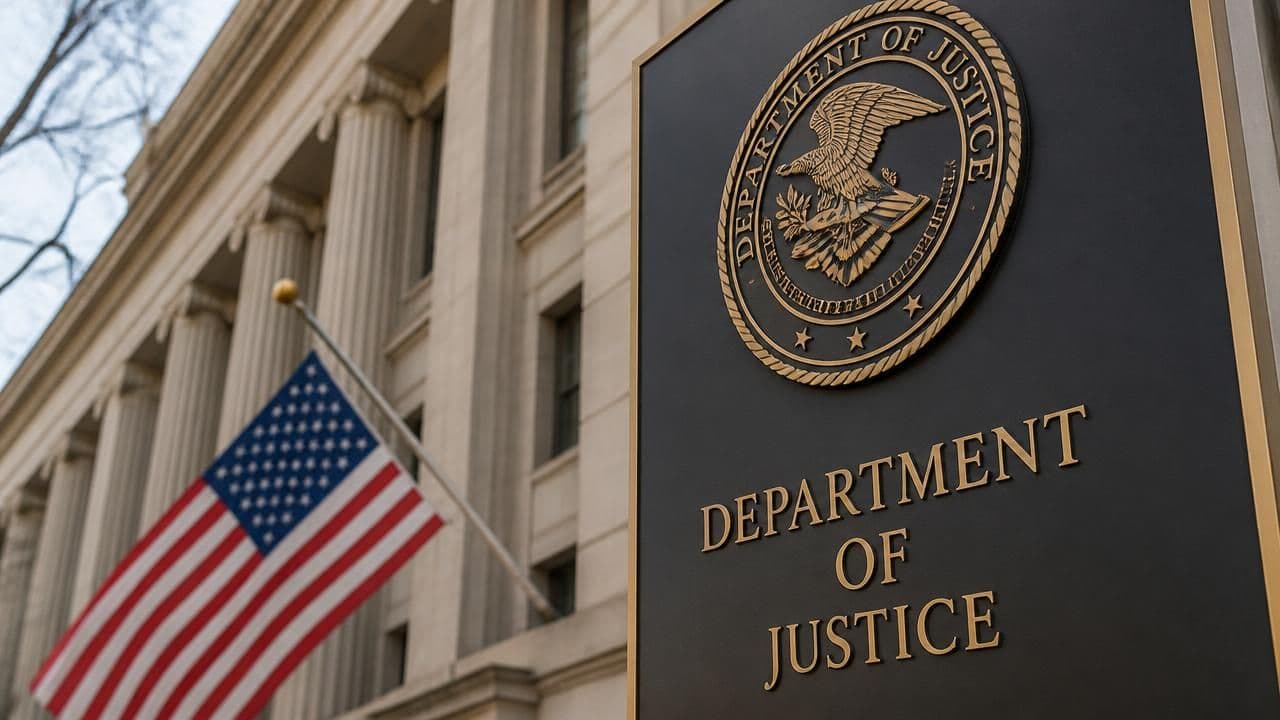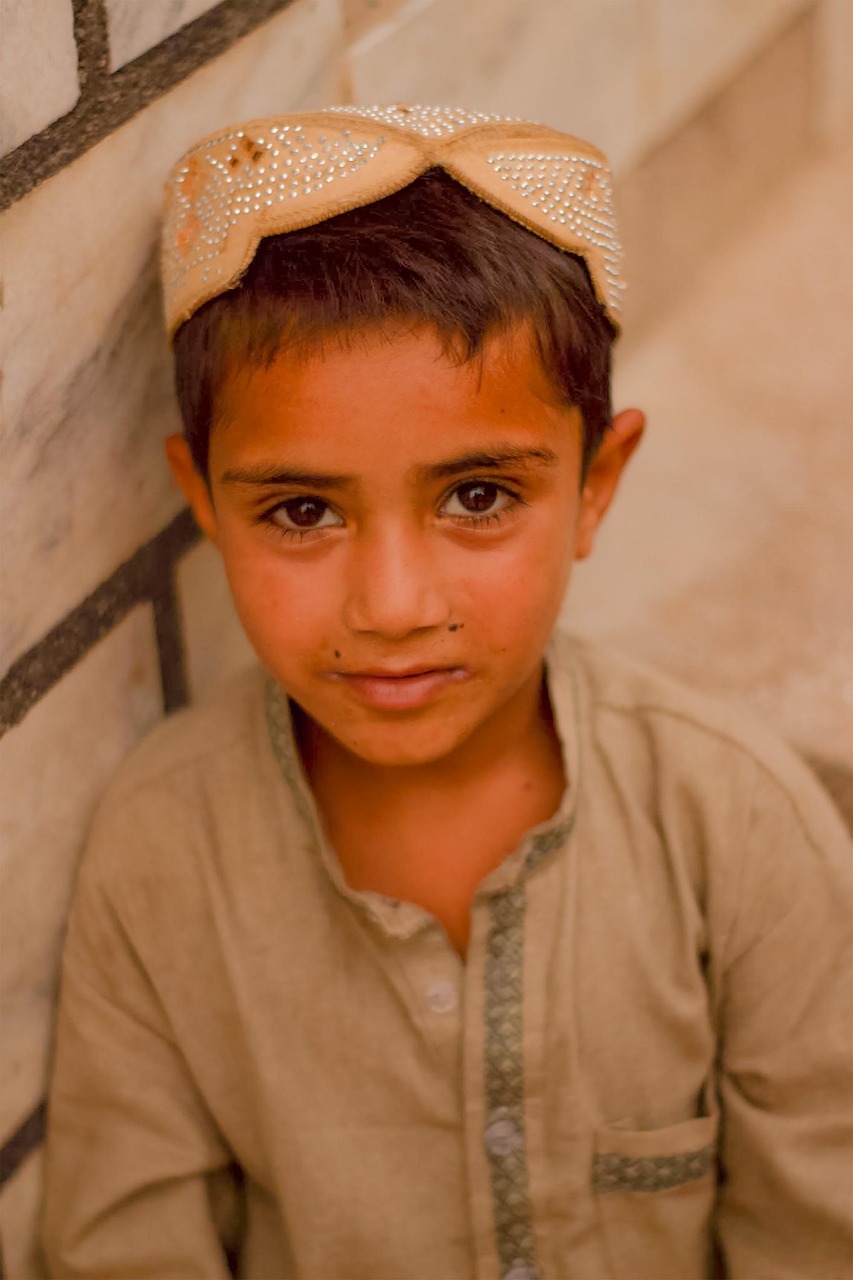
Pakistani airstrikes in eastern Afghanistan killed at least 36 civilians and wounded 160 others, Afghan officials reported on [date]. The strikes, which targeted areas along the Pakistan-Afghanistan border, were described by Pakistan as a response to militant attacks on its soil. However, Afghanistan condemned the operation as an act of aggression, highlighting the fragile state of bilateral relations.
What Happened
According to Afghan authorities, Pakistani aircraft conducted a series of airstrikes in the provinces of Khost and Paktika, both bordering Pakistan. The strikes hit several villages, resulting in significant civilian casualties. Initial reports from local officials indicated that women and children were among the dead. The Afghan Ministry of Defense stated that the attacks were unprovoked and violated Afghanistan's sovereignty.
Pakistan's Justification
Pakistan's military spokesperson confirmed the strikes, stating they targeted militant hideouts used by groups responsible for recent attacks inside Pakistan. The spokesperson emphasized that the operation was a necessary measure to protect Pakistani citizens from cross-border terrorism. Pakistan has long accused Afghanistan of harboring militants, including factions of the Tehrik-i-Taliban Pakistan (TTP), which have escalated attacks in Pakistan's border regions.
Afghan Response
Afghanistan's foreign ministry summoned Pakistan's ambassador to protest the airstrikes, calling them a violation of international law. The Afghan government urged the United Nations to intervene and called for an immediate cessation of such operations. Some Afghan officials framed the incident as a test for the Taliban-led government, which has sought to maintain neutrality while preventing Afghan soil from being used against neighbors.
Regional and Global Reactions
The international community expressed concern over the escalation. The United Nations called for restraint and urged both sides to engage in dialogue. Human rights organizations condemned the civilian toll and called for an independent investigation. Analysts noted that the strikes could further destabilize the region, potentially undermining efforts to curb militant activity.
Historical Context
Cross-border tensions between Pakistan and Afghanistan are not new. The porous Durand Line has been a source of friction for decades, with both sides accusing each other of supporting militant groups. The Taliban's return to power in Afghanistan in 2021 initially raised hopes for improved relations, but border clashes and militant attacks have persisted. The latest airstrikes mark one of the deadliest incidents in recent years.
Differing Perspectives
Sources from Western outlets like NPR emphasized the civilian casualties and Afghanistan's condemnation, framing the event as a humanitarian crisis. In contrast, Pakistani state media highlighted the security rationale, focusing on the threat posed by TTP militants. Afghan sources, meanwhile, stressed the violation of sovereignty and the need for accountability. The varying coverage reflects the deep divisions in how the incident is perceived.
Implications
The airstrikes risk derailing any progress in Pakistan-Afghanistan relations. For the Taliban, the incident could strain their relationship with Pakistan, a key supporter. For Pakistan, the operation may provoke further retaliation from militant groups. Civilians on both sides of the border bear the brunt of the conflict, with no clear resolution in sight.
“We condemn this act of aggression in the strongest terms. It is a clear violation of Afghanistan's territorial integrity.” — Afghan Ministry of Defense spokesman
As the death toll mounts, calls for de-escalation grow louder. Whether the two nations can find common ground remains uncertain, but the cost of continued hostilities is measured in lives lost.