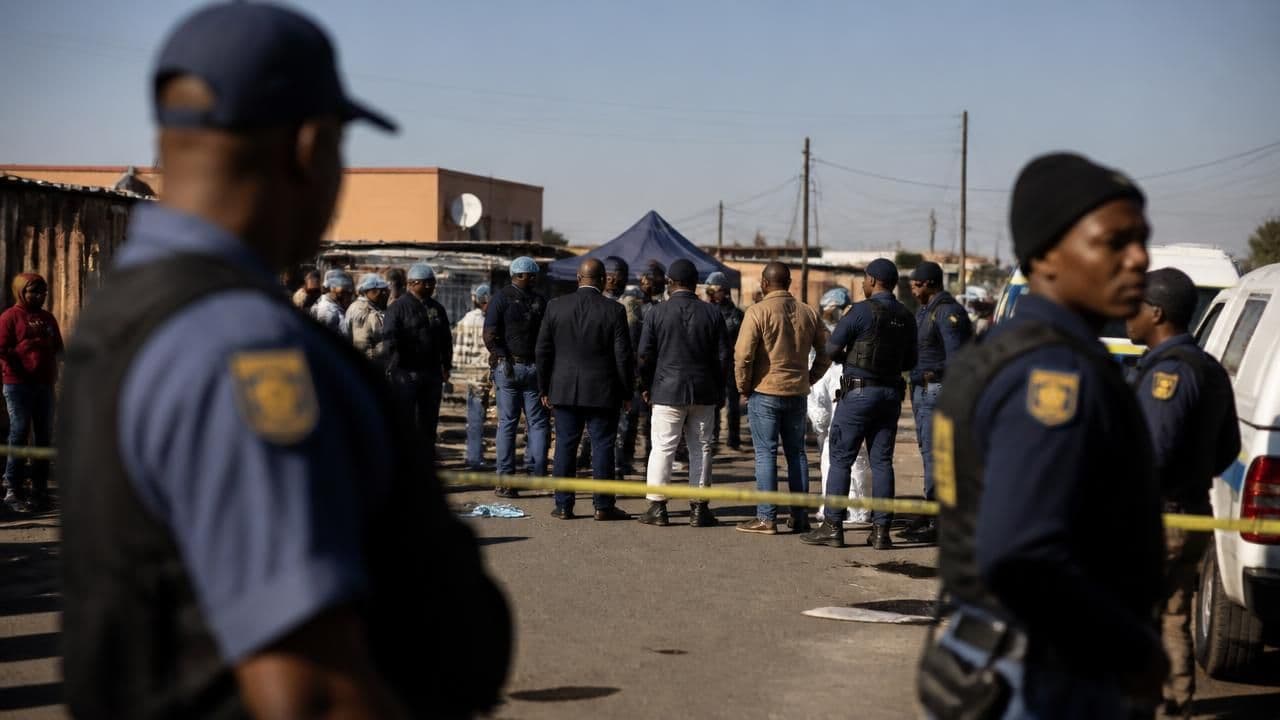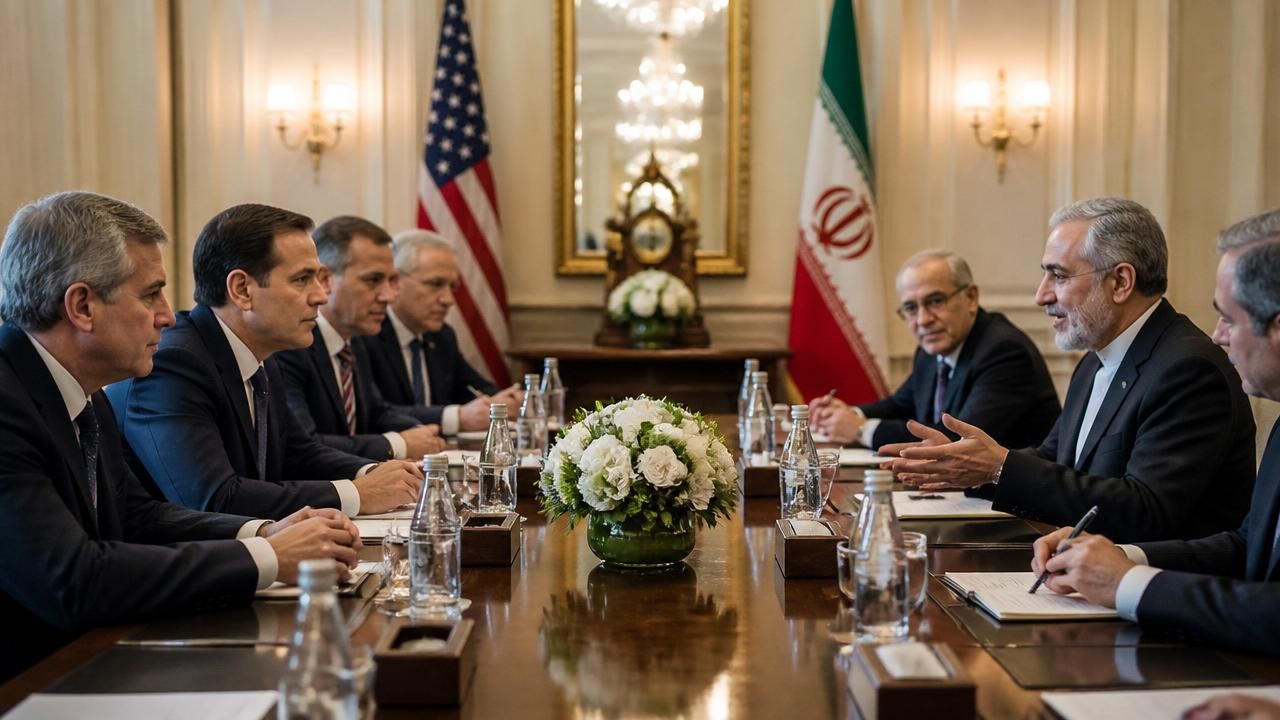
The United States military has paused its airstrikes on Iran after nearly two weeks of intensified bombing, as diplomatic efforts press forward to avert a full-scale return to war. The halt, confirmed by multiple outlets including NPR News and Telangana Today, marks a critical juncture in a conflict that has rattled global markets and drawn urgent calls for de-escalation from politicians, investors, and religious leaders alike.
While the bombing pause offers a glimmer of hope, the question remains: Can the U.S. and Iran take the off-ramp? The phrase "off-ramp" has become the central metaphor in coverage from sources as varied as the Des Moines Register, PBS, ABC News, and Reuters. It encapsulates the desire to transition from military confrontation to diplomatic resolution—a path that remains fraught with obstacles.
The Strategic Pause
According to a report from 19FortyFive, the U.S. has quietly pulled its B-52 bombers out of Britain, a move interpreted as a de-escalatory signal. The bombers had been stationed there as part of the initial buildup, and their withdrawal suggests a shift in posture. "The U.S. Just Pulled Its B-52 Bombers Out of Britain as It Quietly Looks for an Iran Off-Ramp," the outlet noted, framing the move as an olive branch.
Meanwhile, diplomatic channels are buzzing. The Indian Express reported that talks are "pressing forward," though details remain sparse. A source from the Newser aggregation echoed this, stating that "airstrikes have paused and talks are pressing forward." The international community is watching closely, with many hoping that the temporary halt becomes permanent.
Domestic and International Pressure
At home, lawmakers are increasing pressure on the Trump administration to find a way out. Representative Darin LaHood (R-IL) called for an "off ramp" to bring down fuel costs, according to WCBU. Representative Zach Nunn (R-IA) also urged an off-ramp but sidestepped questions about limiting the president's war powers, as reported by the Des Moines Register. These sentiments reflect a broader unease in Congress about the duration and cost of the conflict.
Investors are also clinging to hope. ABC News reported that market participants are betting on a diplomatic resolution, with oil prices stabilizing after initial spikes. "Investors cling to hope that Donald Trump will find an off-ramp from the US conflict with Iran," the network stated, highlighting the economic stakes.
Internationally, religious leaders have weighed in. Reuters reported that Pope Leo (likely a reference to Pope Francis, though the source specified Pope Leo) urged President Trump to find an off-ramp to end the war. The Pope's intervention underscores the moral dimensions of the conflict and the desire for peace.
Diverging Perspectives
Different outlets frame the story in contrasting ways. The New York Times opinion section published a piece titled "Stop Looking for an ‘Offramp’ in Iran," arguing that the very concept implies a temporary detour rather than a fundamental shift in policy. This skeptical view suggests that the U.S. may be using the off-ramp rhetoric to mask continued aggression.
In contrast, a Reuters analysis titled "Trump's geopolitical brinkmanship has hit a wall with Iran" posits that the president's maximalist approach has left him with few options. "The off-ramp is now a necessity, not a choice," the piece seems to imply.
The Atlantic covered a different angle: Tulsi Gabbard's exit from the Democratic primary, but the article may also reference her anti-war stance. Meanwhile, The Arab Weekly highlighted a fissure in the U.S.-Israel alliance, with Netanyahu blamed for prompting the conflict. "US-Israel alliance faces test in Iran war as agendas diverge, Netanyahu blamed for prompting conflict," the outlet reported, adding a geopolitical layer to the story.
Historical Context and Implications
The conflict echoes past U.S.-Iran standoffs, such as the 1988 shooting down of Iran Air Flight 655 and the more recent 2020 assassination of General Qassem Soleimani. Each time, the two sides have inched back from the brink, but underlying tensions remain. The current pause offers a window for diplomacy, but experts warn that trust is in short supply.
If the off-ramp is taken, it could lead to renewed nuclear talks or a broader regional security framework. If not, the conflict risks spiraling into a prolonged war that could draw in proxies across the Middle East. The consequences for oil markets, global stability, and civilian lives are enormous.
"The question is whether both sides are willing to make the concessions necessary for a lasting peace," said a former diplomat in a commentary picked up by multiple sources. "An off-ramp only works if both drivers steer toward it."
As the world watches, the pause in airstrikes offers a fragile opportunity. The next steps—whether renewed talks, further troop movements, or a return to bombing—will determine whether the off-ramp becomes a reality or just another missed exit.