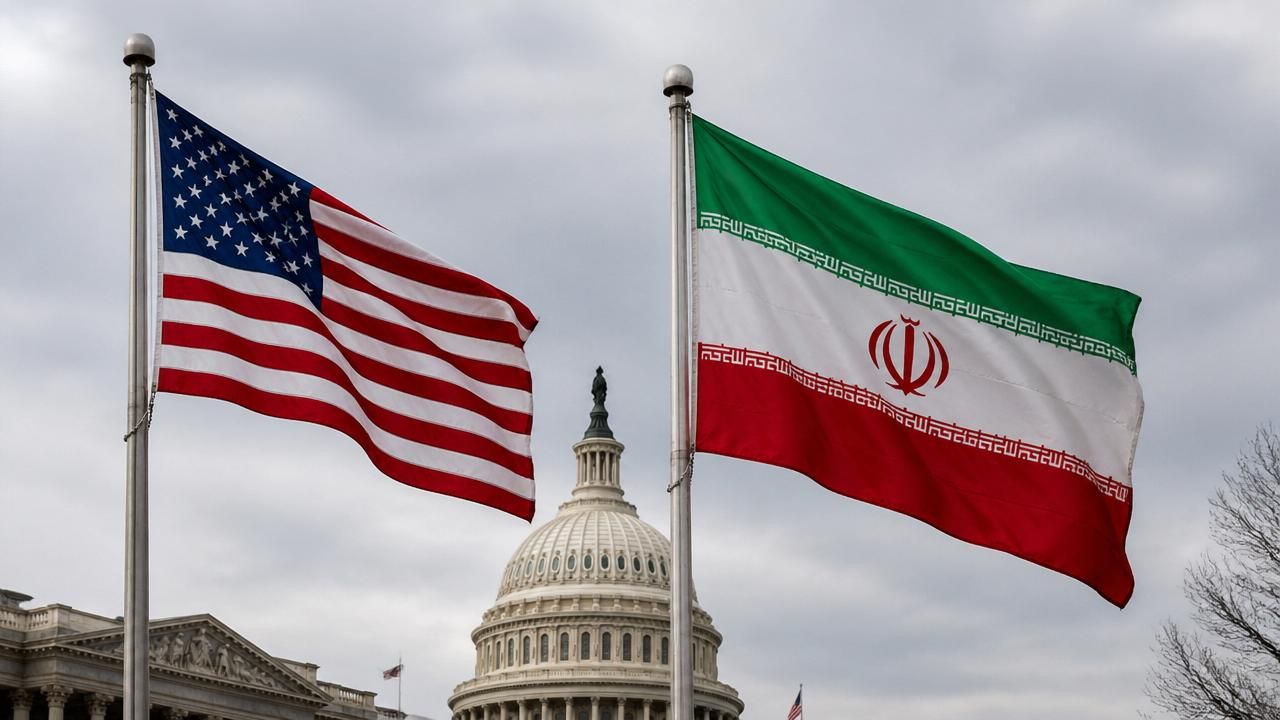
WASHINGTON — For the second consecutive day, the United States and Iran have refrained from launching attacks against each other, signaling a potential de-escalation in the conflict that has rattled the Middle East. The pause comes as diplomatic channels intensify efforts to secure an interim ceasefire, with both sides showing tentative willingness to step back from the brink of a broader war.
According to reports from multiple news outlets, the U.S. military did not conduct any strikes on Iranian targets on Sunday, and Tehran similarly halted its retaliatory attacks. This follows a Saturday break in hostilities, marking a notable shift after days of tit-for-tat strikes that had raised fears of an all-out confrontation. The development was confirmed by NPR, The New York Times, and other major sources, though many websites experienced access issues due to high traffic.
A Fragile Truce Emerges
The pause in attacks was first reported Saturday after the United States called off a planned bombing campaign. MSN reported that President Trump had ordered a halt to strikes, and Iran subsequently indicated it would cease its attacks as long as the U.S. did the same. This mutual restraint has persisted into Sunday, creating a window for diplomacy. The Economic Times noted that both sides have explicitly stated they are pausing, not ending, military operations.
“The U.S. and Iran are giving negotiations a chance,” said a senior administration official speaking on condition of anonymity. “But the situation remains volatile. One misstep could reignite the cycle of violence.”
Diplomatic Maneuvering Behind the Scenes
International mediators, including officials from Qatar, Oman, and the European Union, have been shuttling between Washington and Tehran to broker a temporary ceasefire. The goal, according to diplomats, is to freeze the current military positions and create space for talks on a more comprehensive agreement. The Trump administration has not publicly detailed its terms, but sources indicate that the U.S. is demanding a halt to Iran's nuclear enrichment activities and support for proxy militias. Iran, in turn, insists on the lifting of economic sanctions and recognition of its regional influence.
“Both sides are exhausted and risk-averse right now,” explained Dr. Layla Shams, a Middle East analyst at the Center for Strategic Studies. “The pauses show that neither wants a full-scale war, but the distrust runs deep. The next 48 hours are critical.”
Framing the Story: Divergent Narratives
Different outlets have emphasized distinct aspects of the story. MSN and NTD highlighted Iran’s conditional halt, framing it as a response to Trump’s decision. The New York Times, in contrast, focused on the strategic implications, noting that the pause is the first extended break in hostilities since the conflict began. Meanwhile, local newspapers like The Columbian and King5 faced technical difficulties in reporting, reflecting the global scramble for information. The overall tone across sources is cautiously optimistic, with an undercurrent of skepticism about durability.
Historical Context
The current standoff traces back to the U.S. withdrawal from the Joint Comprehensive Plan of Action (JCPOA) in 2018, followed by a campaign of maximum pressure sanctions. Iran responded by increasing uranium enrichment and attacking U.S. assets in Iraq and the Gulf. The recent escalation began after a drone strike killed a top Iranian commander, prompting Tehran to launch ballistic missiles at U.S. bases. The retaliatory strikes claimed lives on both sides, bringing the region to the edge of war.
What Happens Next?
While the pause offers a respite, analysts caution that it is not a ceasefire. Both nations retain the capability to resume attacks at any moment. The U.S. has maintained naval assets in the Persian Gulf, and Iran’s proxy forces remain active in Iraq and Yemen. The diplomatic track, however, has gained momentum. The United Nations Security Council is expected to hold emergency consultations, and European foreign ministers are planning a joint trip to the region.
For now, the world watches as two longtime adversaries test the waters of de-escalation. The coming days will determine whether this pause becomes a stepping stone to peace or merely a lull before another storm.
- The U.S. and Iran have paused attacks for two days in a row, offering hope for a diplomatic solution.
- International mediators are pushing for an interim ceasefire to freeze hostilities.
- Both sides have set preconditions for further talks, including nuclear and sanctions issues.
- Analysts warn that the situation remains fragile and could unravel quickly.