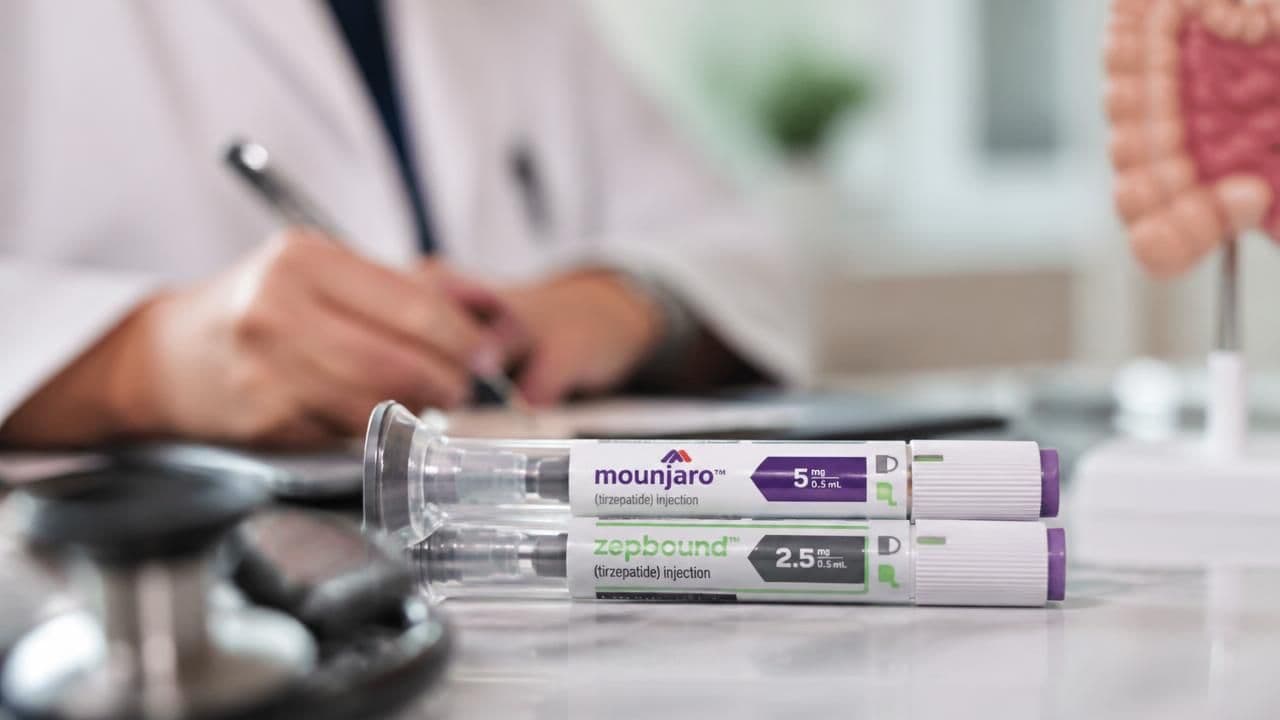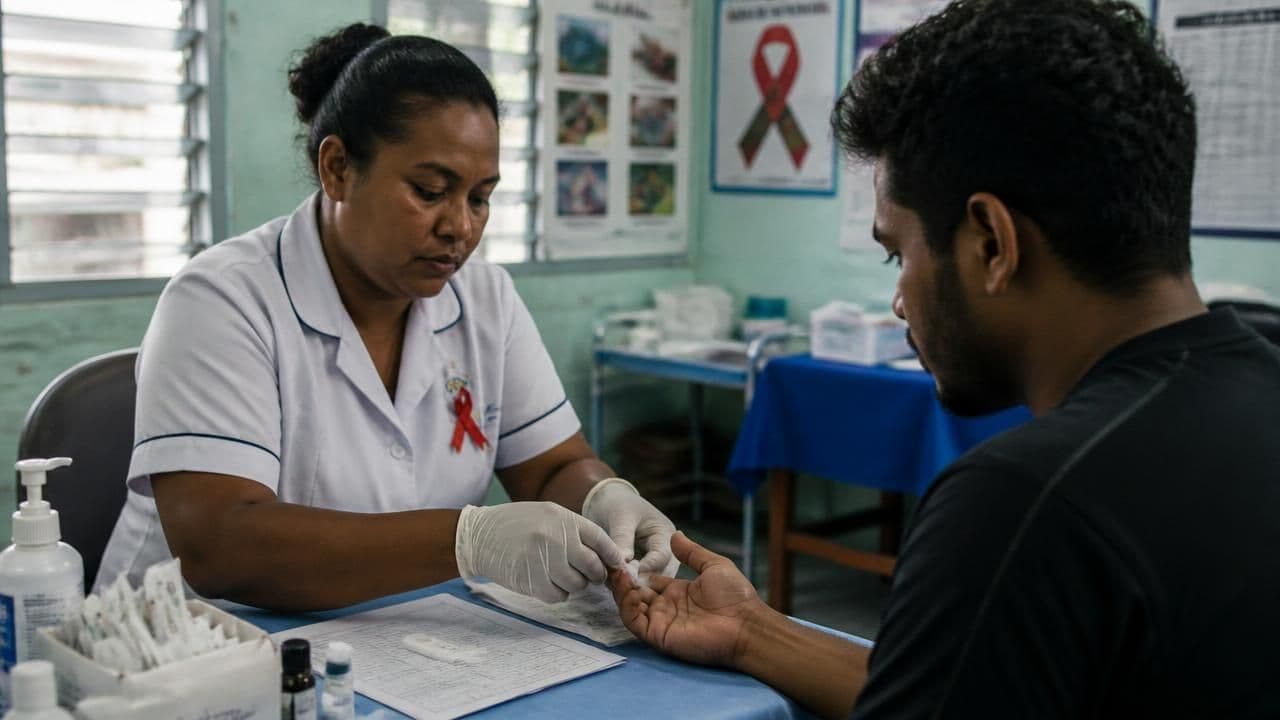
In a landmark move that could reshape HIV prevention globally, Merck has announced steps to ensure widespread access to its new once-daily pre-exposure prophylaxis (PrEP) pill. The company will allow generic manufacturers in Africa and India to produce low-cost versions, potentially bringing the price down to as little as $5 per person per year. However, the drug's availability in much of Latin America remains in limbo, raising concerns about equitable access across the Global South.
A Game-Changer in HIV Prevention
The pill, which belongs to a class of antiretrovirals known as integrase inhibitors, has shown high efficacy in clinical trials. Unlike older PrEP regimens that required daily dosing of tenofovir disoproxil fumarate (TDF) and emtricitabine, the new drug offers a more tolerable profile with fewer side effects. Dr. Anthony S. Fauci, a longtime HIV researcher, called it "a significant advancement" that could help curb infection rates among high-risk populations.
Merck's Access Strategy
Under the terms of voluntary licensing agreements, Merck will not enforce patents in low-income countries, allowing generic companies to produce and distribute the drug at affordable prices. This model mirrors successful precedents set for other antiretrovirals, such as the HIV treatment drug dolutegravir. According to estimates, the cost could drop to $5 per person annually, a fraction of the current price in high-income markets.
"We are committed to ensuring that this breakthrough prevention option reaches those who need it most," said Dr. Julie L. Gerberding, chief patient officer at Merck. "Our goal is to enable access in the poorest regions while maintaining a sustainable market."
Nonetheless, critics note that voluntary licenses often exclude middle-income countries, where populations may lack access to newer PrEP options. In Latin America, for instance, Brazil and Mexico have large epidemics but may not qualify for the lowest generic prices. Activists argue that Merck should extend licenses to manufacturers in the region to prevent a two-tiered system.
Historical Context and Clinical Impact
HIV prevention has evolved dramatically since the advent of PrEP in 2012. The first approved regimen, Truvada, reduced infection risk by over 90% when taken consistently. However, uptake has been uneven, with many people struggling with daily adherence or experiencing side effects like kidney toxicity. The new integrase inhibitor-based pill offers a safer alternative with fewer drug interactions, potentially expanding the pool of PrEP users.
Public health officials view generic licensing as essential to reaching the UNAIDS target of ending AIDS by 2030. Currently, about 38 million people live with HIV worldwide, with 1.5 million new infections annually. Broad access to effective PrEP could slash these numbers significantly.
Challenges Ahead
Despite the promising news, several hurdles remain. Manufacturing capacity in Africa and India must meet global demand, and regulatory approvals across different countries will take time. Additionally, distribution networks require strengthening, especially in rural areas. The global health community also stresses the importance of combining PrEP with other prevention tools like condoms, testing, and treatment for those already infected.
In Latin America, patient advocacy groups are calling on Merck to include the region in its licensing deals. "We cannot allow a new divide between rich and poor countries to emerge," said María José Márquez, a Brazilian HIV activist. "Our communities need access to the best prevention tools."
Implications for Global Health Equity
The Merck initiative reflects a broader trend where pharmaceutical companies seek to balance profit with public health. Previous success stories, such as the generic production of HIV treatments and the COVID-19 vaccine patent waiver debates, highlight the complex interplay of intellectual property, market forces, and health equity. While voluntary licenses offer a pragmatic solution, some experts argue for more systemic reforms, including compulsory licensing and patent pools.
As the world awaits regulatory approvals in key markets, the focus remains on implementation. UNAIDS Executive Director Winnie Byanyima praised the move but called for rapid action: "Every day of delay means thousands of preventable infections. We need countries, manufacturers, and donors to move with urgency."
For now, the future of HIV prevention looks brighter than ever, but only if the promise of affordable access translates into real-world impact across all regions.