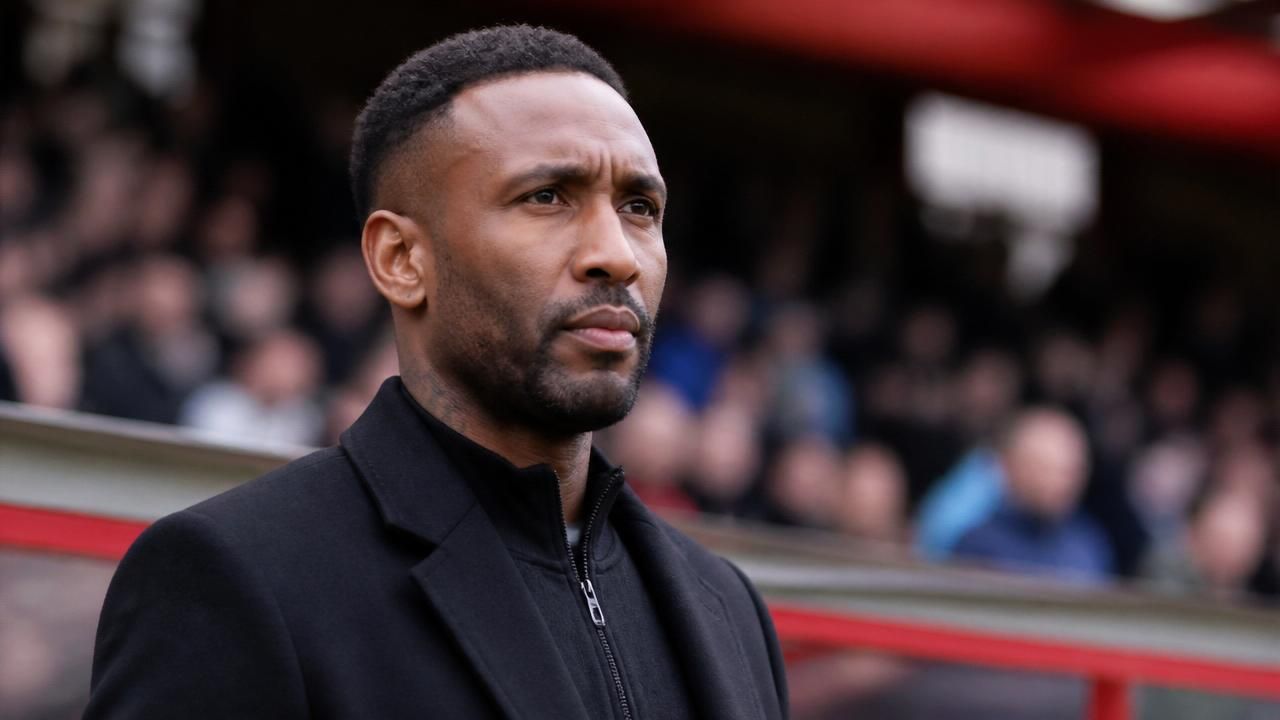
Jermain Defoe has left his role as head coach of National League side Woking after just 116 days and nine matches in charge, describing the experience as 'eye-opening' and ultimately 'impossible' to continue. The former England and Tottenham striker, 41, walked away from the club following a reported clash with the board over resources and expectations.
A Brief Tenure Marked by Challenges
Defoe was appointed in October 2024, taking over a Woking side struggling near the bottom of the National League. His tenure lasted only four months, with the club winning just two of nine league matches under his guidance. In a statement, Defoe said: 'This has been an eye-opening experience. I gave everything I could, but it became clear that continuing was impossible under the current circumstances.'
Sky Sports reported that Defoe cited an inability to continue, while other sources indicated a breakdown in relations with club management over transfer budgets and squad control. The News & Star confirmed the exit, noting that Woking officially announced his departure.
Conflicting Accounts of the Departure
Different outlets have framed the story in varying lights. The BBC focused on Defoe's reflection that the role was 'eye-opening,' emphasizing the learning curve for a first-time manager. In contrast, Sky Sports highlighted the word 'impossible,' suggesting deeper frustrations. MSN sources reported a 'clash with club management,' pointing to disagreements over resources as a key factor. The News & Star simply confirmed the exit without speculation.
Defoe's statement, quoted by multiple outlets, read: 'I want to thank the fans for their support. The potential here is huge, but the structure needs to align with ambitions. I wish the club all the best.'
Context: Defoe's First Managerial Role
This was Defoe's first managerial position after a decorated playing career that included 57 England caps and spells at Tottenham, West Ham, Sunderland, and Rangers. He joined Woking, a club in the fifth tier of English football, with hopes of applying his experience. However, the realities of part-time football, limited budgets, and a squad in transition proved daunting.
Former players and pundits have weighed in. Ex-England teammate Rio Ferdinand said on his podcast: 'Jermain is a winner. He won't accept mediocrity. If the club couldn't match his standards, it was always going to end quickly.' Others, like BBC Sport's John Murray, noted that 'many ex-players struggle with the off-field demands of management, especially at lower-league clubs.'
What Next for Woking?
Woking now face the task of finding a new manager mid-season. The club sits 20th in the National League, just above the relegation zone. Assistant coach Jason Goodliffe is expected to take temporary charge. Fans have expressed mixed reactions: some praised Defoe for trying, while others criticized his short tenure.
The club released a statement thanking Defoe for his efforts and confirming a search for a new head coach. 'We respect Jermain's decision and wish him well in his future endeavors,' it read.
Broader Implications
Defoe's departure adds to the list of high-profile players who have struggled in lower-league management. It raises questions about the support structures for first-time managers and the gap between elite playing experience and the realities of part-time football. For Defoe, the experience may prove valuable despite its brevity. He remains a respected figure in the game, and many expect him to return to coaching or management with a clearer understanding of what the job entails.
As the dust settles, one thing is clear: Jermain Defoe's first managerial chapter ended sooner than expected, but it has provided a stark lesson in the challenges of football management at any level.