Diplomacy in Disarray
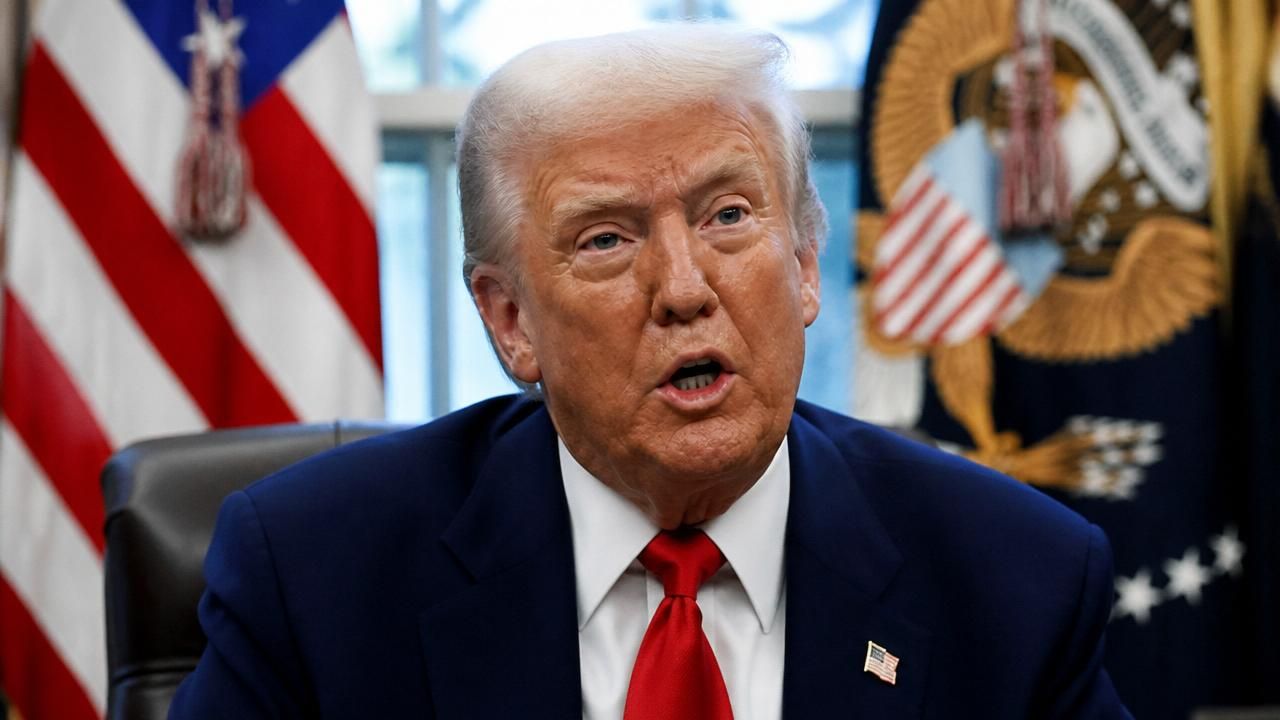
President Donald Trump declared the U.S.-Iran ceasefire on 'massive life support' Friday, after Tehran rejected a U.S. proposal delivered by Iraqi Prime Minister Mustafa al-Kadhimi during his recent White House visit. The collapse came as the U.S. military launched a 13th consecutive night of strikes on Iranian targets, and Iran retaliated with attacks on Gulf neighbors and a deadly strike on Kuwait's airport.
According to multiple officials, the Iraqi prime minister carried the offer to Tehran, but Iran's leadership dismissed it outright. 'Iran's response is totally unacceptable,' Trump said, echoing similar statements from Reuters and BBC reports. The president warned he could resume all-out war if U.S. troops are killed, but told aides he would not restart full hostilities unless American lives are lost, as reported by the Wall Street Journal.
Hezbollah Complicates Lebanon Front
In a parallel crisis, Hezbollah rejected a separate U.S.-brokered ceasefire between Lebanon and Israel, demanding a full Israeli withdrawal from Lebanese territory. 'Hezbollah will not accept any agreement that leaves Israeli forces in Lebanon,' a senior Hezbollah official told The Guardian. Israel, meanwhile, committed to a new ceasefire but said troops would remain in southern Lebanon, according to a New York Times report. The rejection imperils a fragile truce that had appeared within reach just days ago.
Israeli strikes killed eight people in Lebanon as the militant group dug in. The renewed violence marks the 100th day of the broader Iran war, with both sides trading fire despite declared truces. CBS News reported that the ceasefire is 'imperiled' by the ongoing exchanges.
Strait of Hormuz Flashpoint
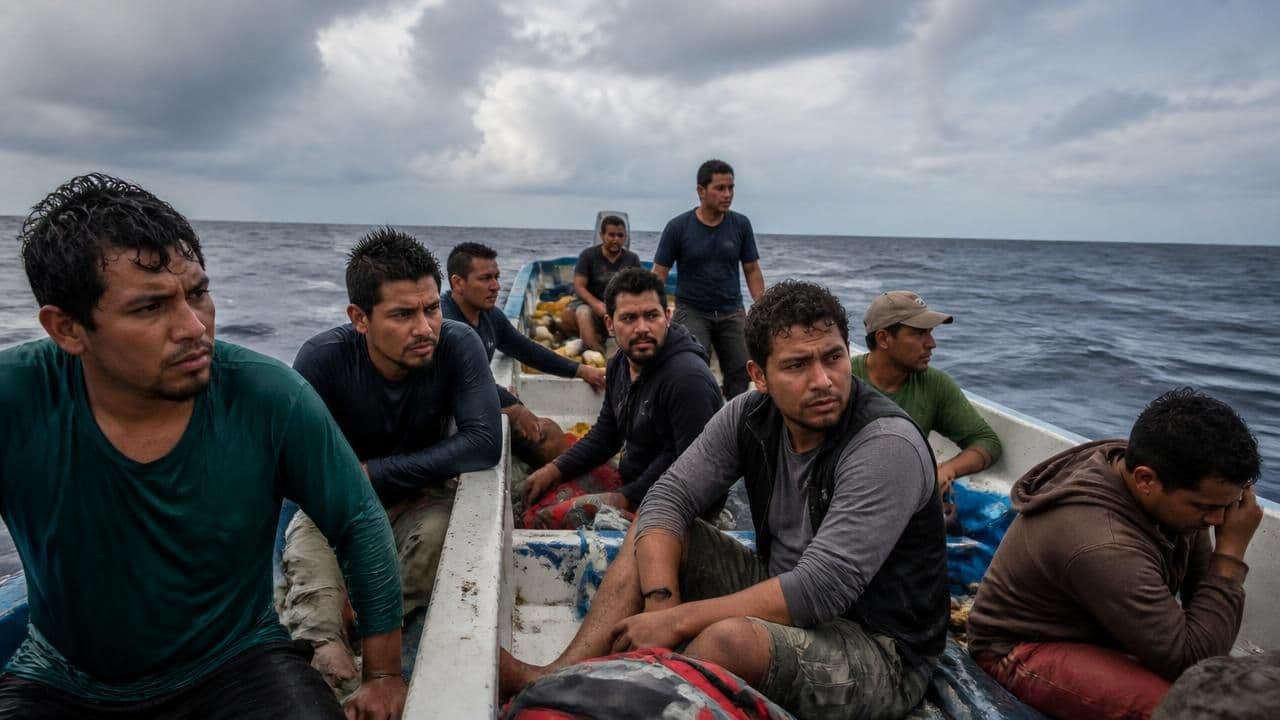
The strategic Strait of Hormuz has re-emerged as a major point of tension. Iran tightened its grip on the waterway, claiming control over shipping lanes. Trump dismissed Iran's closure claim, but the U.S. has conducted retaliatory strikes after Iran shot down an Apache helicopter, prompting American retaliation. Vice President Vance headed to Qatar for talks as the strait's status threatened global oil supplies.
Iran's foreign minister cited a lack of trust as a key impediment to peace. 'How can we negotiate when they strike our coast while delegations gather?' he asked, referring to U.S. strikes on Iran's Gulf coast during talks in Doha, as reported by the New York Times.
Domestic and International Reactions
In Washington, the Senate rejected another resolution to limit Trump's war powers, though GOP opposition is growing. 'The president must come to Congress for authorization,' said a leading Republican senator, according to Politico. Meanwhile, Trump dismissed any need for China's help to end the conflict, saying, 'We don't need Beijing's mediation.'
Pakistan reportedly claimed the U.S. and Iran were close to a temporary truce, but Iran denied any imminent deal. 'Some progress has been made, but a deal is not near,' an Iranian official told The Guardian. The mixed signals have left diplomats scrambling.
Humanitarian Toll
As ceasefire efforts falter, the humanitarian cost mounts. Iran's rejection of the U.S. proposal has led to a deterioration in negotiations, according to human rights researchers. The conflict has displaced thousands and caused widespread casualties across the region. 'The window for peace is closing,' warned a senior U.S. official. 'We need a breakthrough, or this will spiral further.'
What Next?
With both sides entrenched, the path to peace remains uncertain. Trump's conditional stance—no all-out war unless U.S. troops die—offers a narrow off-ramp, but Iran's counterproposals and Hezbollah's intransigence suggest a long road ahead. As the world watches, the Strait of Hormuz stays closed, and the guns keep firing.