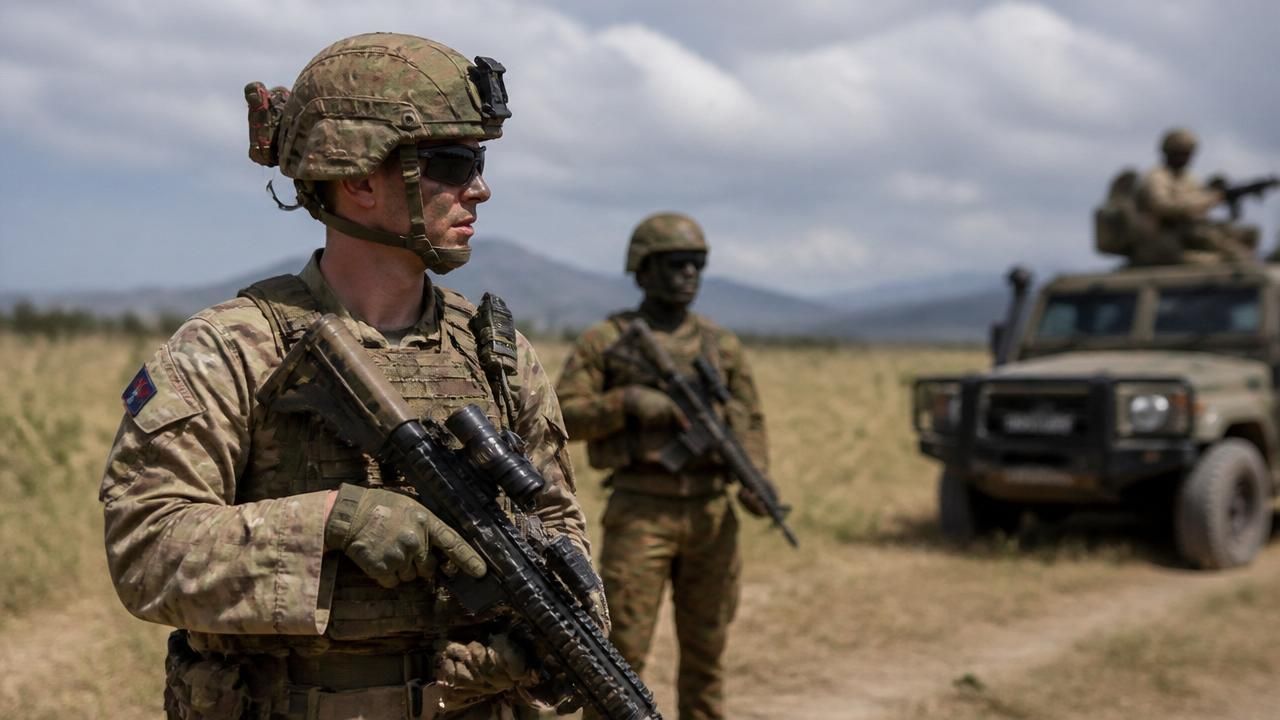
The British Army has been forced to cancel a major military training deployment in Kenya after the Kenyan government refused to ratify a bilateral defence agreement, demanding greater powers to prosecute British soldiers for alleged crimes committed in the country. The standoff, which escalated following reports of rape and murder accusations against UK troops, has strained diplomatic relations and raised questions about the accountability of foreign forces operating abroad.
Training Cancellation and Diplomatic Fallout
The UK Ministry of Defence (MoD) announced the cancellation of the September exercise, known as Askari Storm, after Kenya declined to renew the existing Status of Forces Agreement (SOFA). Kenyan lawmakers sought amendments to give local authorities jurisdiction over criminal offences allegedly committed by British soldiers, a move the UK government resisted. The Guardian reported that the MoD described the cancellation as a temporary setback, while Kenyan officials framed it as a necessary step to assert sovereignty.
Allegations of Serious Crimes
The dispute was triggered by a series of incidents involving British troops in Kenya. In 2022, a Kenyan woman accused a British soldier of rape, and in 2023, a soldier was reportedly involved in the death of a mother of two, though details remain under investigation. The Guardian’s coverage highlighted that the British Army has launched an internal investigation into the conduct of its troops, including claims of sexual assault and unlawful killing. The Aoav.org.uk website, while blocked, has previously criticized the UK military justice system as opaque and ineffective, a perspective echoed by human rights groups who argue that British soldiers often escape prosecution for crimes committed overseas.
Framing by Different Outlets
UK-based sources like The Times and The Guardian framed the cancellation as a diplomatic embarrassment for the MoD, emphasizing the loss of a key training location. The Times noted that Kenya is one of the few tropical environments where British troops train for jungle warfare, and the cancellation could impact operational readiness. In contrast, Kenyan media and Yahoo News portrayed the move as a victory for local sovereignty, with one MSN headline branding UK troops an “occupying presence.” The AOL and Yahoo articles, though limited due to paywalls, suggested rising anti-British sentiment among Kenyans, fueled by perceptions of impunity.
Historical Context and Legal Framework
The UK has maintained a military training presence in Kenya since the 1960s, with British troops conducting annual exercises at the Arid Lands Training Centre in Nanyuki. The previous SOFA granted the UK exclusive jurisdiction over its soldiers, a common arrangement for visiting forces. However, following the rape and murder allegations, Kenyan lawmakers argued that this immunity undermined local justice. The UK MoD has defended its position, stating that British soldiers are subject to UK military law, which can prosecute them for serious offences, but critics point to low conviction rates. The Aoav.org.uk site, in previous reports, noted that the UK military justice system has been criticized by the UN for failing to adequately investigate sexual violence.
Implications for UK-Kenya Relations
The cancellation threatens a key pillar of the bilateral relationship, which includes not only military cooperation but also development aid and counterterrorism collaboration. Kenya is a vital ally in the fight against Al-Shabaab in Somalia, and British training has been instrumental in building Kenyan military capacity. The Guardian quoted a former British diplomat who warned that the row could have “long-term consequences” for regional security. Conversely, Kenyan officials have signaled that they are open to renegotiating the agreement if the UK accepts local jurisdiction for serious crimes.
Expert Views and Data Points
Legal experts interviewed by The Guardian noted that the dispute reflects a global trend where host nations demand greater accountability for foreign troops, citing similar controversies involving US forces in Japan and Germany. Data from the UK MoD shows that between 2010 and 2020, only 12 British soldiers were prosecuted for crimes committed overseas, with six convictions. Human rights organizations argue that this low number suggests a culture of impunity. The UK government has stated that it is committed to ensuring that any allegations are thoroughly investigated, but the Kenyan government remains unsatisfied.
Looking Ahead
As of now, both sides have expressed willingness to resume talks. The UK MoD has said it is exploring alternative training locations, including in Canada and Belize, but acknowledges that none replicate the unique conditions of Kenya. For Kenyans, the outcome will be a test of whether their government can hold foreign forces accountable. The story continues to develop, with the British Army’s investigation expected to report in the coming months.