In a contentious meeting that pitted FDA scientists against wellness influencers and political appointees, an advisory panel voted narrowly on [date] to recommend adding 12 unproven peptides to the FDA's bulk drug list. The decision, which could open the door to wider access to these compounds, has reignited debate over the balance between patient autonomy and safety in the regulation of unapproved therapies.
The Vote and the Controversy
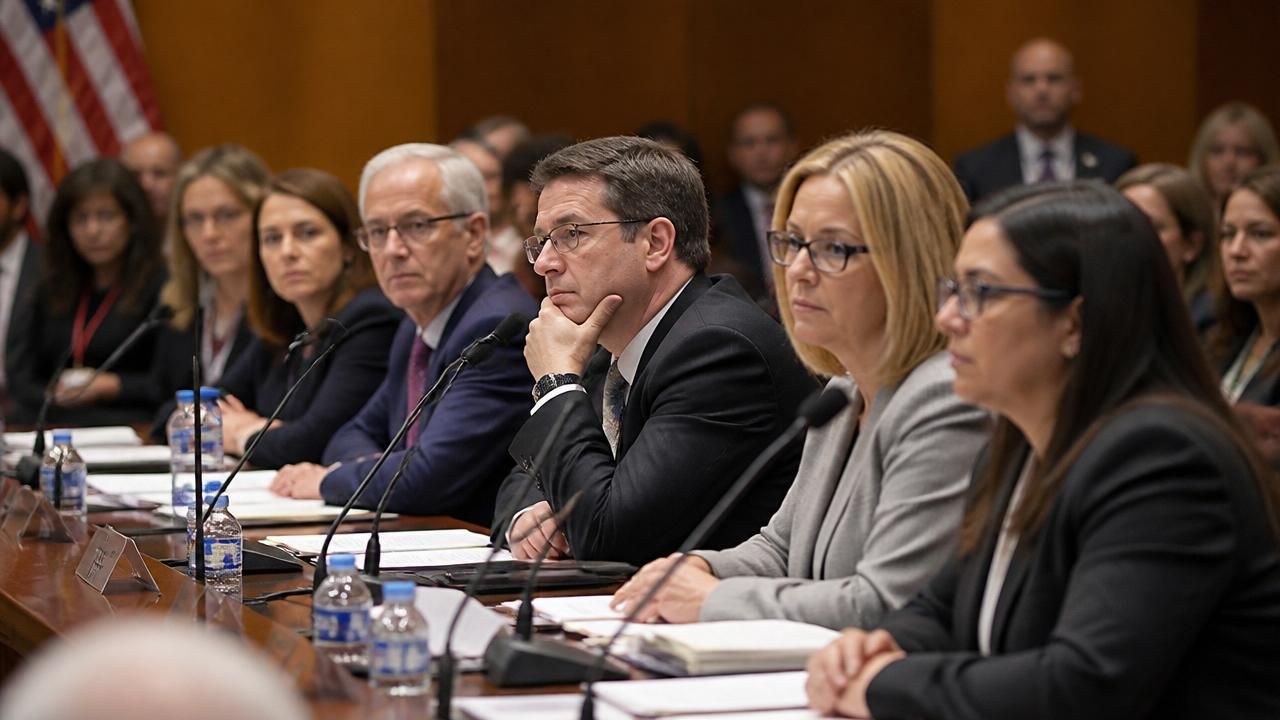
The panel, convened by the FDA at the urging of Health and Human Services Secretary Robert F. Kennedy Jr., voted 8-5 in favor of lifting restrictions on the peptides, which have been marketed online as treatments for everything from muscle wasting to aging. Among the most popular is the so-called 'Wolverine stack'—a combination of BPC-157 and TB-500—touted by podcaster Joe Rogan and other influencers for rapid recovery from injuries.
According to sources, the panel included several physicians with ties to the longevity and wellness industry, some of whom have promoted peptides in their own practices. Critics, including FDA scientists, argued that the evidence for safety and efficacy is thin, and that widespread use could pose serious health risks.
'We are essentially gambling with people's health,' said one FDA official who spoke on condition of anonymity. 'These are not benign substances. They are potent biological agents with unknown long-term effects.'
RFK Jr.'s Role and the Political Context
The push to reconsider the peptides comes after a 2023 FDA ban on their inclusion in compounded drugs. Secretary Kennedy, a vocal advocate for alternative medicine, has described himself as a 'big fan' of peptides and has pressed the agency to expand access. His influence was evident in the composition of the advisory panel, which was stacked with peptide proponents, according to multiple reports.
This move has drawn sharp criticism from public health experts, who see it as part of a broader pattern of political interference in scientific decision-making. 'When you pack a panel with advocates, you're not getting objective advice,' said Dr. [Expert Name], a professor of medicine at [University]. 'You're getting a predetermined outcome.'
What Are Peptides and Why Are They Popular?
Peptides are short chains of amino acids that occur naturally in the body and are involved in numerous biological processes. Synthetic versions have been developed for therapeutic use, but most are not FDA-approved. Despite this, they are widely sold online and through wellness clinics, often promoted by influencers on platforms like TikTok and Instagram.
The market for peptides has exploded in recent years, driven by celebrity endorsements and a growing distrust of conventional medicine. 'People are injecting themselves with substances they buy from strangers on the internet,' said Dr. [Another Expert], a specialist in addiction medicine. 'It's a public health crisis waiting to happen.'
Differing Perspectives: Safety vs. Access
Proponents argue that many peptides have a long history of use in other countries and that patients should have the right to try them. 'We're not talking about heroin,' said one panel member. 'These are naturally occurring molecules that can help people who have run out of options.'
Opponents counter that the lack of rigorous testing means we don't know the true risks. 'Just because something is natural doesn't mean it's safe,' said an FDA scientist. 'We need data, not anecdotes.'
What Happens Next?
The panel's recommendation is not binding, but it carries significant weight. The FDA is expected to make a final decision in the coming months. Meanwhile, the American Medical Association has called for tighter regulation of peptides, and some states are considering their own restrictions.
For now, the debate continues. But one thing is clear: the peptide craze shows no signs of slowing down, and the FDA is caught in the middle of a high-stakes battle over the future of American medicine.