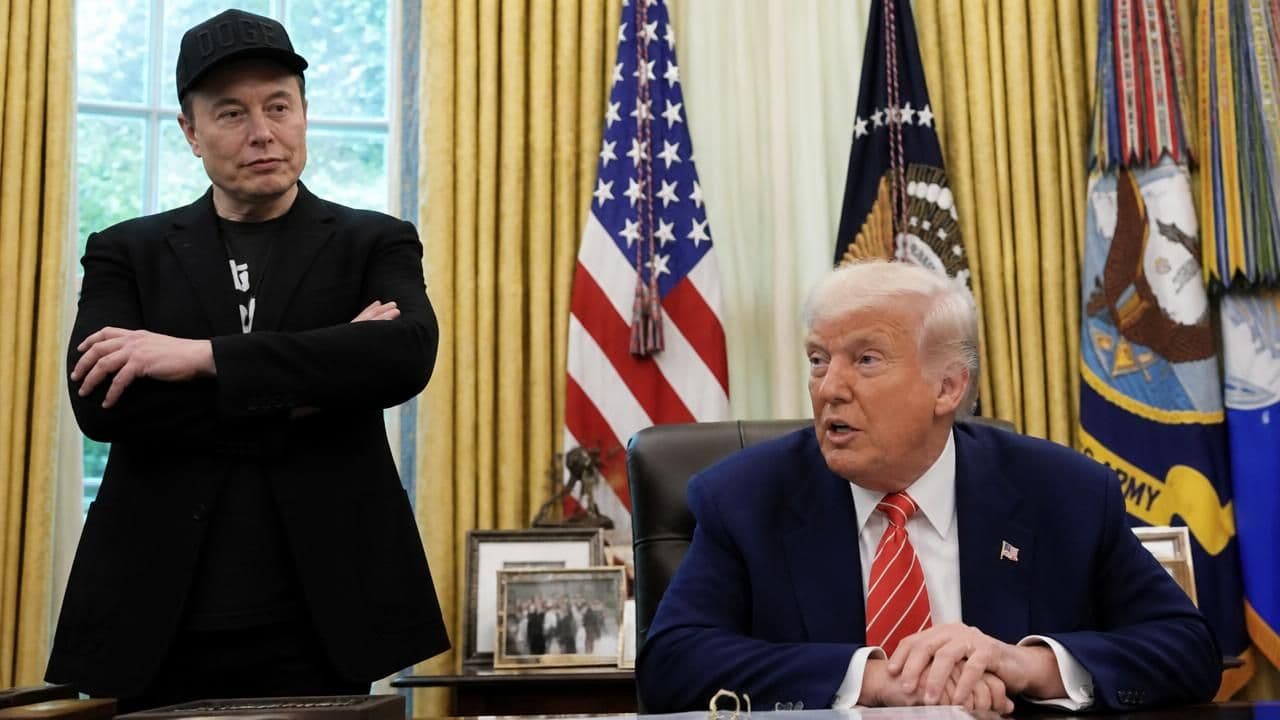
In 2020, Elon Musk stood before investors and the world, declaring that Tesla would have 1 million robotaxis on the road by the end of that year. Nearly five years later, the company has exactly 20. The gap between Musk's grand vision and the gritty reality of autonomous driving has never been wider, as a chorus of reports, data points, and expert analyses reveal a program struggling to deliver on its core promises.
The Numbers Don't Lie: A Fleet of 20 vs. a Promise of 1 Million
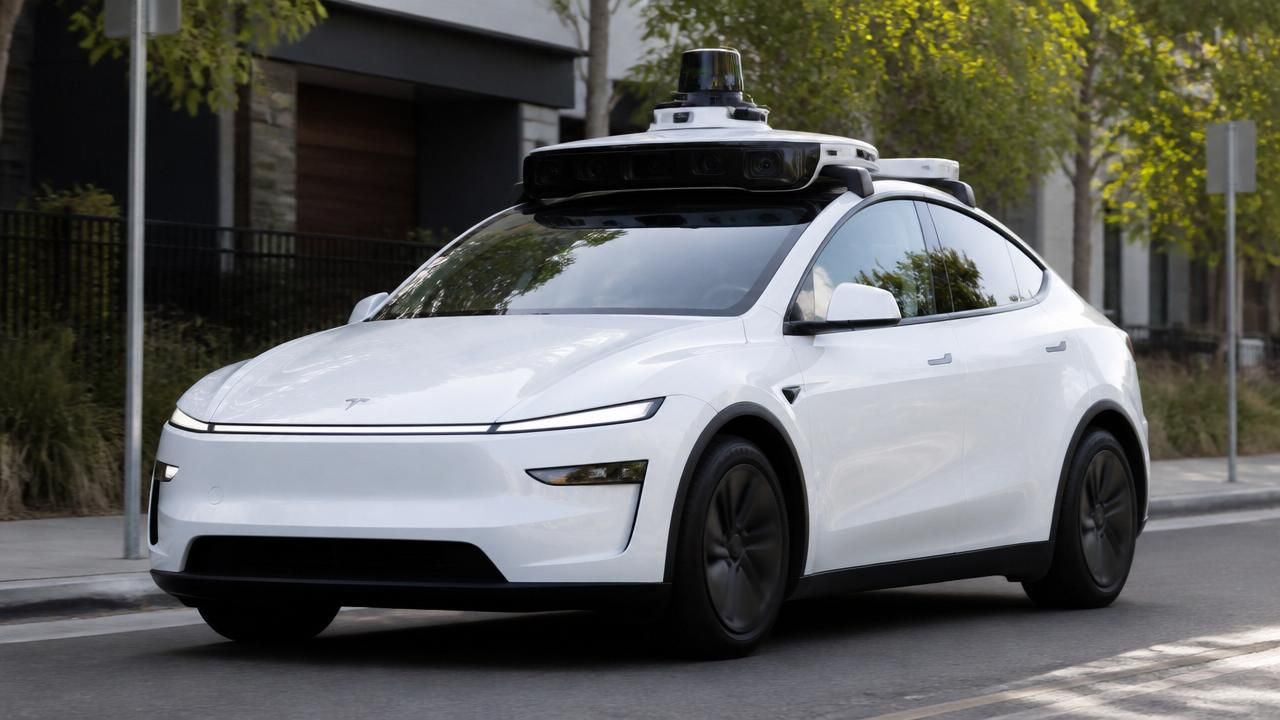
According to a report from Carscoops, Tesla's current robotaxi fleet in the United States numbers just 20 vehicles—a far cry from the 1 million Musk projected. InsideEVs adds that Musk had promised 1,000 robotaxis in Texas alone by last year, but the actual count is nowhere near that. The Verge notes that during a recent earnings call, Musk attempted to strike a cautiously optimistic tone, saying, 'We're going as fast as humanly possible in scaling Robotaxi, while trying to ensure that we do not harm anyone at all and ideally do not even run over a pet.' Yet the data suggests speed is not the only issue.
Safety Concerns: Robotaxis Crash Four Times More Than Humans
The Next Web reports that Musk has described the 'acid test' for self-driving as being able to sleep through your commute. But in Austin, where Tesla operates its unsupervised robotaxi service, the reality is stark: these vehicles crash four times more often than human-driven cars. Reuters highlights that even Tesla's own AI trainers do not fully trust the system, citing internal safety stats that raise red flags. The Los Angeles Times adds that robotaxis have been stalling in real-world traffic, causing long waits and stranded rides, as detailed by the Mercury News.
Operational Struggles: Winding Down in Key Markets
Autoevolution reports that Tesla appears to be winding down unsupervised robotaxi operations in Austin, Dallas, and Houston—the very cities where it was supposed to be scaling up. The same outlet notes that the Cybercab, Tesla's purpose-built robotaxi unveiled last year, has unique features that make it incompatible with existing customer vehicles, dashing hopes that owners could simply convert their cars into self-driving taxis. This contradicts Musk's earlier promises that every Tesla with Full Self-Driving hardware could become a robotaxi.
Investor Skepticism: The $1 Trillion Question
Seeking Alpha poses the 'Tesla $1 Trillion Question': whether the robotaxi vision can ever justify the company's lofty valuation. The site's analysis suggests that while the vision is real, execution is lacking. Meanwhile, AOL reports that investors are increasingly looking to competitors like BYD, which already has what investors 'really want'—including a robust electric vehicle lineup and proven autonomous technology. Another AOL piece recommends two robotaxi stocks to buy, implicitly suggesting Tesla is not among them.
Musk's Shifting Narrative: From Unbridled Optimism to Cautious Realism
The Verge observes that Musk's typical bullishness was 'absent' from the latest earnings call, as he sought to temper expectations. Fast Company calls this a 'reality check' on Musk's self-driving delusions, while The Information frames it as a clash between Musk's promises and reality. The Mercury News and LA Times both highlight user frustrations—long waits, stalled rides, and a service that feels more like a beta test than a revolution.
Historical Context: A Decade of Broken Promises
Tesla's robotaxi saga is the latest chapter in a long history of overpromising. In 2016, Musk claimed all Tesla vehicles would have full self-driving capability within two years. In 2019, he said robotaxis would be operational by 2020. Each deadline has come and gone. Meanwhile, competitors like Waymo and Cruise have launched commercial services in multiple cities, albeit with their own challenges. The gap between Musk's rhetoric and Tesla's engineering output is widening, and the market is taking notice.
Expert Views: What Needs to Happen
Industry experts consulted by multiple outlets agree on a few key points: Tesla must improve its sensor suite (currently camera-only, unlike rivals' lidar), refine its AI model to handle edge cases, and build a regulatory framework that allows for safe scaling. Until then, the 20-robotaxi fleet is likely to remain a curiosity rather than a harbinger of the future. As one analyst put it, 'The vision is real, but the execution isn't.'
Implications for Tesla and the Industry
The robotaxi struggle has broader implications. If Tesla cannot deliver on autonomy, its valuation—which hinges on future robotaxi revenue—could face a severe correction. For the industry, it underscores the immense difficulty of achieving Level 4 or 5 autonomy. For consumers, it means the dream of a self-driving taxi hailed from an app remains, for now, just that—a dream.
In the end, Musk's promise of a million robotaxis by 2020 stands as a monument to hubris. The 20 that exist today are a testament to the hard, unglamorous work of making autonomous driving safe and reliable. As one source succinctly put it, 'Tesla's robotaxi promises are clashing with reality'—and reality is winning.