After years of European success, Dutch smartphone maker Fairphone has finally crossed the Atlantic. The company's latest device, the Fairphone Gen 6+, is now available in the United States for $649, bringing its unique blend of ethical sourcing, modular design, and user-repairability to American consumers for the first time. The launch, covered extensively by outlets like Ars Technica, Wired, and TechSpot, signals a growing demand for phones that are built to last—and easy to fix when they break.
A phone built on a different philosophy
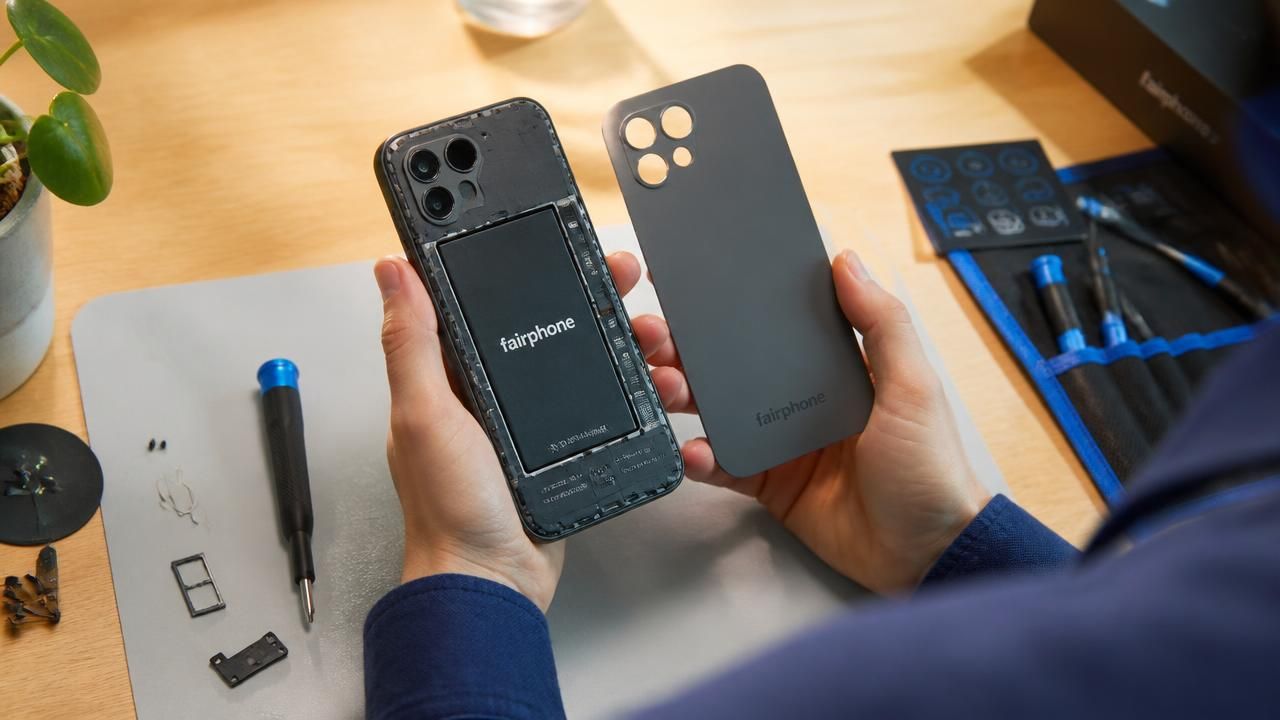
Fairphone has long positioned itself as the anti-mainstream smartphone. Instead of chasing ever-thinner designs and exotic materials, the company focuses on longevity, repairability, and sustainability. The Gen 6+ continues that mission, boasting a modular architecture that lets users replace key components—including the battery, screen, camera, and USB port—with just a standard screwdriver. In an industry where premium devices are often sealed shut with glue and proprietary fasteners, Fairphone stands apart.
Speaking with Ars Technica, Fairphone CTO Chandler Hatton explained the company's core goal: to provide a compelling mobile experience while also enabling users to “fully own” their device. “At the end of the day, this is what a lot of people say they want in a smartphone,” Hatton said. That ownership extends beyond physical repair to software transparency and ethical component sourcing, areas where Fairphone has pioneered industry standards.
A perfect repairability score
The repairability-focused design has not gone unnoticed. In a teardown review, iFixit awarded the Fairphone Gen 6+ a rare, perfect 10/10 repairability score—a distinction few devices ever achieve. The score reflects how easily the phone can be disassembled and reassembled with commonly available tools, as well as the availability of spare parts and repair documentation. For American consumers accustomed to paying hundreds of dollars for a smashed screen or dying battery, the Gen 6+ offers a refreshing alternative: many repairs can be done at home in minutes.
TechSpot highlighted that the phone's $649 price point undercuts many flagship rivals while offering features that appeal to sustainability-minded buyers. The design, however, makes trade-offs. Ars Technica notes that buyers expecting a glass-and-aluminum sandwich filled with glue will find a different experience: the Gen 6+ uses a plastic back and visible seams, a pragmatic choice that prioritizes drop durability and ease of access over premium aesthetics.
Why the US launch matters
Fairphone's arrival in the US market is significant. Previously, Americans interested in the company's ethical electronics had to import devices or wait for international carriers. Wired, which broke the news of the US launch, framed it as “a sustainable, repairable smartphone finally available in America” and a “new plan to get you to care” about the environmental cost of our gadgets. The msn.com coverage echoed that sentiment, calling the Gen 6+ “just the kind of phone the US needs.”
The timing is telling. Major manufacturers—Apple, Samsung, Google—now promise software updates for up to seven years, but their hardware often fails much sooner. Batteries degrade, screens crack, and repairs can cost as much as the phone itself. Right-to-repair legislation has gained momentum across US states, and consumer attitudes are shifting toward owning devices rather than renting them through upgrade cycles. Fairphone aims to exploit that shift, offering a device that can realistically last six to eight years with timely part replacements.
Trade-offs and considerations
No phone is perfect, and the Fairphone Gen 6+ makes no apologies for its choices. Its processor and camera are mid-range by 2026 flagship standards, and its peak brightness or wireless charging speed may not match rivals. The plastic chassis might feel less luxurious in the hand, and some users will miss water resistance ratings common on glass-bodied phones. However, Fairphone's CTO argues that these trade-offs are acceptable when weighed against durability and transparency.
“We're not trying to be the fastest or the shiniest phone on the market,” Hatton told Yugatech. “We are trying to be the phone that respects you, the planet, and the people who make it.” The company also publishes its supply chain, uses recycled aluminum and plastics, and guarantees five years of software updates with an ambition to reach eight.
Reception and outlook
Early reviews from American tech media are cautiously optimistic. Ars Technica's deep dive praised the modular design but warned that the phone's repairability depends on part availability and long-term software support in the US market. AndroidGuys noted that the launch price undercuts Apple's iPhone and Samsung's Galaxy series while offering unique ethical features. Wired framed the phone as part of a larger movement toward conscious consumerism, with the Gen 6+ serving as a rallying point for the right-to-repair movement.
The Gen 6+ launches at a pivotal moment. With US regulatory pressure on tech companies to reduce e-waste and extend product lifespans, Fairphone's arrival could inspire mainstream makers to reconsider their designs. As one analyst put it, “If Americans embrace the Fairphone, it could force Samsung and Apple to make repairability a selling point, not an afterthought.”
For now, Fairphone is available through its US online store and select retailers. The company remains a niche player, but its first American foray represents a milestone in the broader fight against planned obsolescence. Whether the Gen 6+ becomes the face of a repair revolution or a footnote in tech history, it has already accomplished something remarkable: making repairability a headline feature in the world's biggest consumer market.
- Price: $649
- Repairability: Perfect 10/10 from iFixit
- Key features: Modular battery, screen, camera; 5+ years of software updates; ethically sourced materials
- Availability: US online store and retailers, first time ever