The United States and Iran are locked in a cycle of escalating military strikes and threats, with President Donald Trump warning of attacks on Iranian bridges and power plants if Tehran disrupts shipping in the Strait of Hormuz. The conflict, now in its sixth consecutive night, has drawn in regional actors and raised fears of a broader war.
Renewed Hostilities
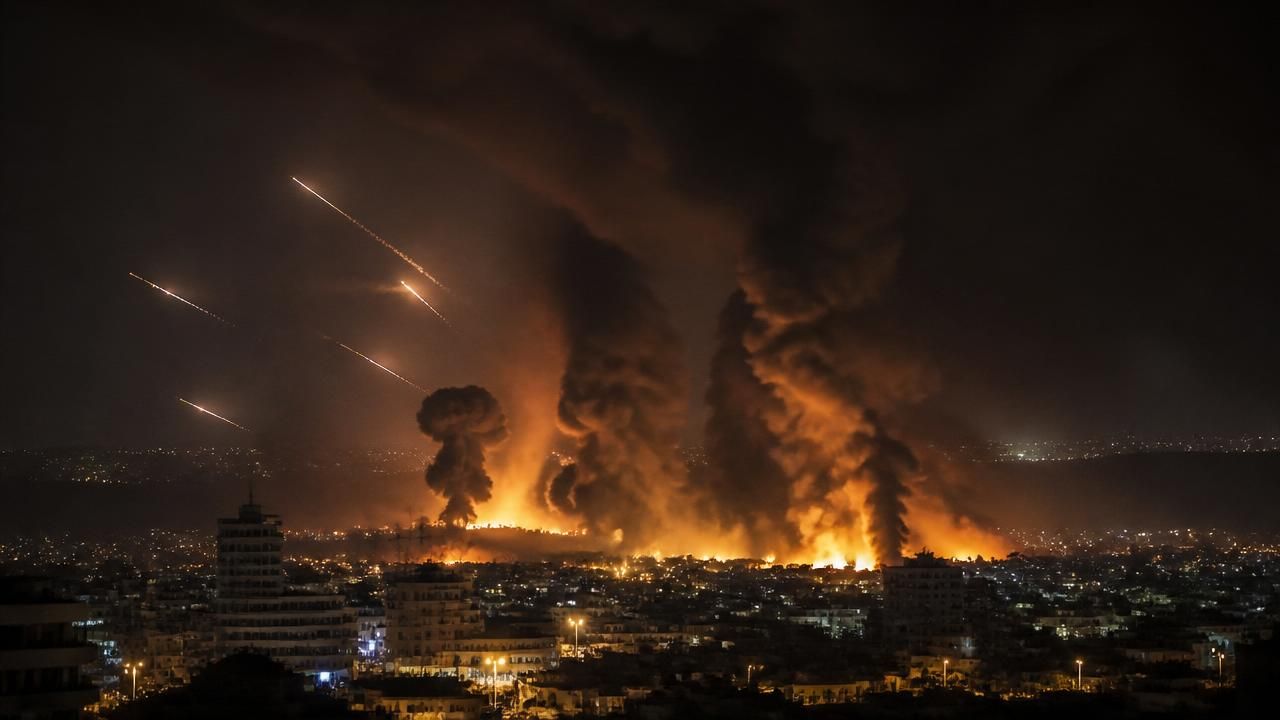
The latest round of strikes began after Iran launched attacks on commercial vessels in the Strait of Hormuz, a vital waterway for global oil shipments. In response, the U.S. military conducted dozens of retaliatory strikes against Iranian targets, including missile sites and naval facilities. CBS News reported that the U.S. has concluded a sixth consecutive night of strikes, with CENTCOM stating the operations aim to 'hold Iranian forces accountable.'
President Trump escalated the rhetoric, threatening to target Iranian infrastructure directly. 'If Iran fires on the Strait of Hormuz, we will hit a bridge or power plant, including in or near Tehran,' he said, according to The New York Times. Secretary of State Marco Rubio suggested Tehran is 'not serious' about diplomacy, a sentiment echoed by other officials.
Mixed Signals and Diplomatic Efforts
Despite the hostilities, there have been intermittent signs of diplomatic movement. Pakistani mediators arrived in Iran to keep peace talks alive, while Trump has alternately claimed a deal is close and threatened to 'complete the job.' The New York Times reported that U.S. officials say they are closing in on an arrangement to reopen the Strait of Hormuz, but confusion persists. A cease-fire agreement between the U.S., Iran, and Israel was announced but quickly tested by continued attacks.
Iran has threatened to strike beyond the Middle East if the U.S. resumes attacks, while the UAE reported missile and drone threats. A Kuwaiti oil tanker was struck off Dubai, underscoring the risks to commercial shipping.
Regional and Global Implications
The conflict has drawn in Israel, which traded strikes with Iran, imperiling an already fragile ceasefire. Israel later halted its strikes after Trump claimed progress toward nuclear talks, according to officials. The BBC questioned whether Trump's pause on attacking Iranian energy infrastructure is a diplomatic gesture or an escalation.
Reuters reported that the U.S. says the war is at a decisive moment, while Tehran threatens U.S. businesses in the region. The Guardian quoted Trump warning that 'a whole civilisation will die' if Iran ignores demands. Meanwhile, Israel says it will hold talks with Lebanon 'soon,' adding another layer of complexity.
Historical Context
The current crisis echoes past confrontations in the Strait of Hormuz, where Iran has previously threatened to block oil shipments. The U.S. has long maintained a naval presence in the region, and the Trump administration's 'maximum pressure' campaign has intensified tensions. The conflict also follows years of covert operations and cyberattacks between the two nations.
Expert Analysis
Analysts are divided on the trajectory of the conflict. Some see Trump's threats as a bluff designed to force Iran to negotiate, while others warn that targeting civilian infrastructure could cross a red line. 'The president's rhetoric is dangerously ambiguous,' said a former State Department official. 'It risks miscalculation on both sides.'
The humanitarian toll is mounting, with casualties reported on both sides. The U.S. military rescued a downed airman, prompting Trump to escalate threats against Iranian power plants. The New York Times reported that Trump plans a national address to outline the way forward.
What's Next?
As the world watches, the possibility of a diplomatic resolution remains uncertain. Trump has claimed the military campaign will wind down, but the strikes continue. The Times of India highlighted Israel's completion of a wave of strikes on Iranian 'regime targets.' The coming days will be critical in determining whether the conflict de-escalates or spirals into a full-scale war.