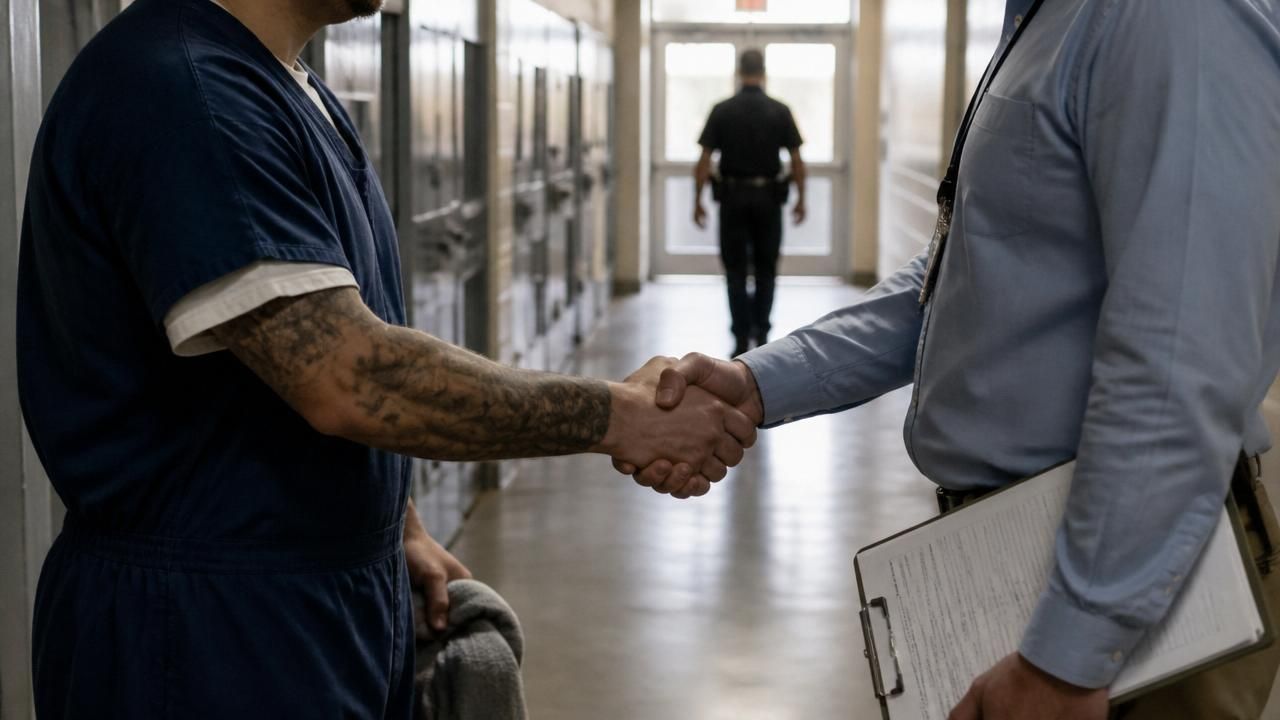
Bipartisan efforts to extend Medicaid coverage to incarcerated individuals—a key strategy for improving health outcomes and reducing recidivism—are facing a major setback. A new federal budget law signed by President Trump includes significant cuts and programmatic changes that are forcing states to rethink their plans, according to reporting from NPR and other outlets.
The law, known as the One Big Beautiful Bill Act, imposes new restrictions on Medicaid funding and requires states to implement work requirements and other eligibility changes. These provisions are making it harder for states to pursue waivers that would allow them to provide Medicaid to people in jails and prisons, a practice that had gained bipartisan support in recent years.
Bipartisan Momentum Stalled
For years, policymakers across the political spectrum have recognized the value of enrolling inmates in Medicaid before their release. The program can cover mental health treatment, substance use disorder services, and primary care—all critical for a successful transition. The National Conference of State Legislatures (NCSL) and the Prison Policy Initiative have both highlighted how such policies can reduce emergency room visits and lower state costs.
“States have been leading the way on this,” said a policy analyst at the Commonwealth Fund, which has studied Medicaid’s role in the justice system. “But the new federal requirements create bureaucratic hurdles that could derail progress.”
In Oregon, a prison career program that helps inmates gain job skills is set to run out of state funding, as reported by InvestigateWest. The program, which had relied on a mix of state and federal dollars, is now in jeopardy due to the broader fiscal tightening.
Broader Medicaid Cuts Loom
The federal cuts are part of a larger push to reduce Medicaid spending. The Center on Budget and Policy Priorities (CBPP) warns that the House Republican reconciliation bill would force states to cut food assistance, health care, and other vital services. A separate analysis by the CBPP found that congressional Republicans cannot cut Medicaid by hundreds of billions without hurting people.
“Medicaid is a lifeline for millions, including those leaving incarceration,” said Katelyn Jetelina in her Your Local Epidemiologist newsletter. “Cuts to the program would have devastating consequences for public health.”
In Colorado, state officials are grappling with the potential impact of deep federal cuts, as reported by CPR. Meanwhile, Stateline notes that 1.4 million lawfully present immigrants could lose subsidized health coverage under the new rules.
States Push Back—and Adapt
Despite the challenges, some states are finding ways to preserve access. In a reversal of previous policies, counties and states are now helping inmates keep their Medicaid coverage while incarcerated, according to Stateline. This approach, known as “Medicaid suspension rather than termination,” ensures that coverage is active upon release.
However, the new federal law complicates these efforts. The legislation includes provisions that require states to verify citizenship and immigration status more frequently, which could delay enrollment for eligible individuals. The American Medical Association (AMA) has expressed concern that the One Big Beautiful Bill Act will harm physicians and patients.
“The impact on physicians and patients will be significant,” the AMA said in a statement. “We urge lawmakers to reconsider these cuts.”
Political and Legal Battles
The issue has also become a political flashpoint. In Minnesota, Governor Tim Walz and Attorney General Keith Ellison have been referred to the Department of Justice for investigation by Senator JD Vance, who accuses them of ignoring taxpayer fraud and silencing whistleblowers. The House Oversight Committee held a hearing on the matter, highlighting the partisan divide over Medicaid policy.
Meanwhile, the Supreme Court recently ruled that states can bar Medicaid money from going to Planned Parenthood, though no changes are expected in Nevada, according to the Nevada Independent.
What’s Next?
As states continue to navigate the shifting federal landscape, advocates are urging Congress to protect Medicaid funding for justice-involved populations. The Justice in Aging organization has called for policies that ensure people with disabilities leaving incarceration can access home- and community-based services.
“We cannot afford to lose the progress we’ve made,” said a spokesperson for the Prison Policy Initiative. “Medicaid is a critical tool for breaking the cycle of incarceration.”
With the 2026 midterm elections approaching, criminal justice reform advocates are pushing for “winnable” reforms, including restoring Medicaid eligibility for people leaving prison. But without federal support, those efforts may stall.