A UK humanitarian worker is being monitored at a specialist hospital in London after potential exposure to the Ebola virus in the Democratic Republic of the Congo (DRC), where an outbreak continues to claim lives. The patient, a UK resident, was medically evacuated from the DRC after treating patients infected with the disease, the UK Health Security Agency (UKHSA) confirmed. The case underscores the persistent threat of Ebola in Central Africa and the international response required to contain its spread.
Evacuation and Monitoring
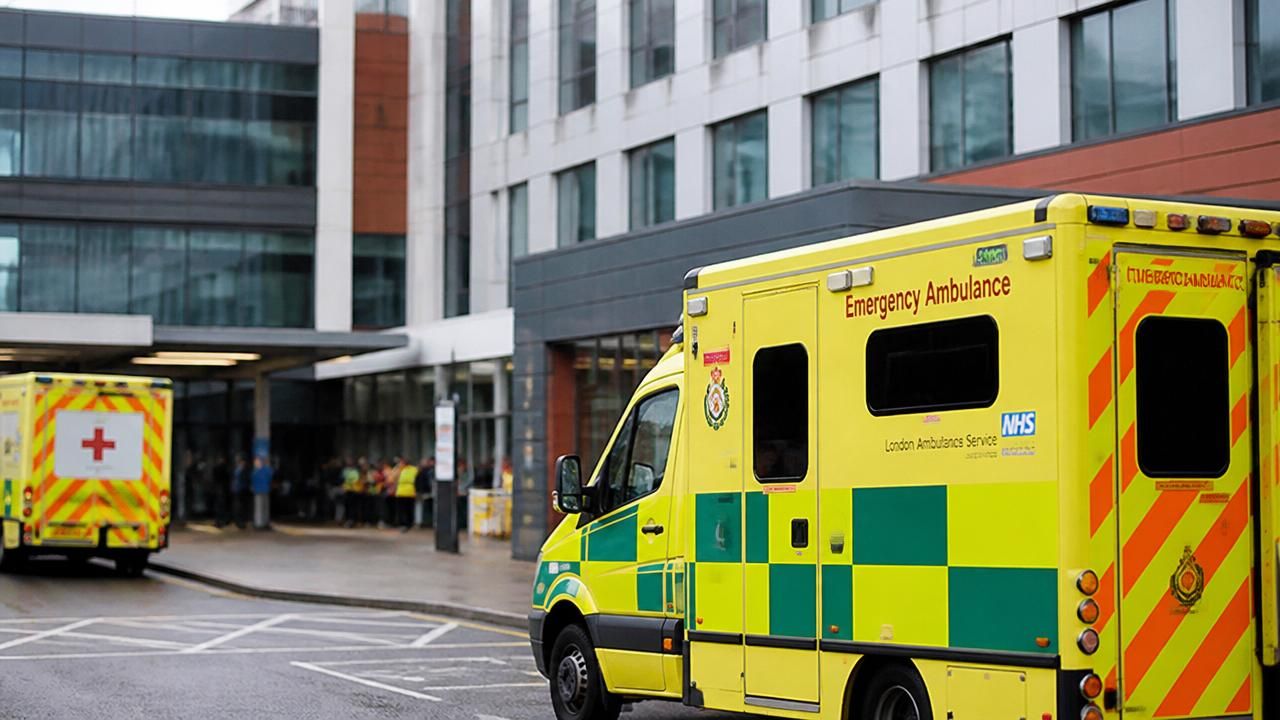
The worker was flown to the UK and is now under observation at a designated high-level isolation unit in London, equipped to handle highly infectious diseases. UKHSA officials stated that the risk to the public remains very low, and all necessary protocols are being followed to prevent any secondary transmission. The individual's identity has not been disclosed, and their condition is being closely monitored. The UK has robust procedures for managing such cases, including contact tracing and strict infection control measures.
Broader Context: DRC Ebola Outbreak
The DRC has been grappling with recurrent Ebola outbreaks, with the latest declared in 2023. The World Health Organization (WHO) reports that the outbreak has infected dozens and killed several, though containment efforts have been hampered by conflict, weak healthcare infrastructure, and community mistrust. The region where the worker was deployed is known for its remote terrain and limited access to medical facilities. In a related development, health workers in the DRC have gone on strike due to months of unpaid wages, further complicating the response. The strike, reported by multiple sources, highlights the chronic underfunding and instability facing the country's health system.
International Dimensions
The UK case is not isolated. An American has also been infected with Ebola in the DRC, as reported by CNN, prompting the United States to consider limiting entry from the affected region. This has reignited debates about travel bans and border controls during health emergencies. While the WHO advises against blanket travel restrictions, some nations have implemented screening measures for travelers from outbreak zones. The US is evaluating similar steps, though health experts caution that such moves can stigmatize affected countries and hinder aid efforts.
Expert Views and Implications
Dr. Michael Ryan, executive director of WHO's Health Emergencies Programme, has emphasized the importance of rapid response and international solidarity. “Ebola is a known threat, and we have the tools to stop it, but only if we act quickly and support local health systems,” he said. The UK's swift evacuation demonstrates the capacity for high-income countries to protect their citizens, but critics argue that it also exposes global inequities in healthcare access. The incident also highlights the risks faced by humanitarian workers who volunteer in dangerous settings, often with inadequate support.
Historical Background
Ebola, first identified in 1976 near the Ebola River in the DRC, causes severe hemorrhagic fever with high fatality rates. The largest outbreak in West Africa (2014–2016) killed over 11,000 people and sparked a global health emergency. Since then, vaccines and treatments have been developed, but logistical challenges persist. The DRC has experienced multiple outbreaks, with the 2018–2020 outbreak being the second largest in history. The current outbreak is concentrated in remote areas, making containment difficult.
Conclusion
The case of the UK humanitarian worker serves as a stark reminder of the ongoing Ebola threat and the interconnectedness of global health. As the UK and US respond, the focus must remain on supporting affected communities and health workers in the DRC. The international community must balance protecting its borders with ensuring that aid and expertise reach those who need it most. The coming days will be critical in determining whether this case remains an isolated incident or signals a wider resurgence.