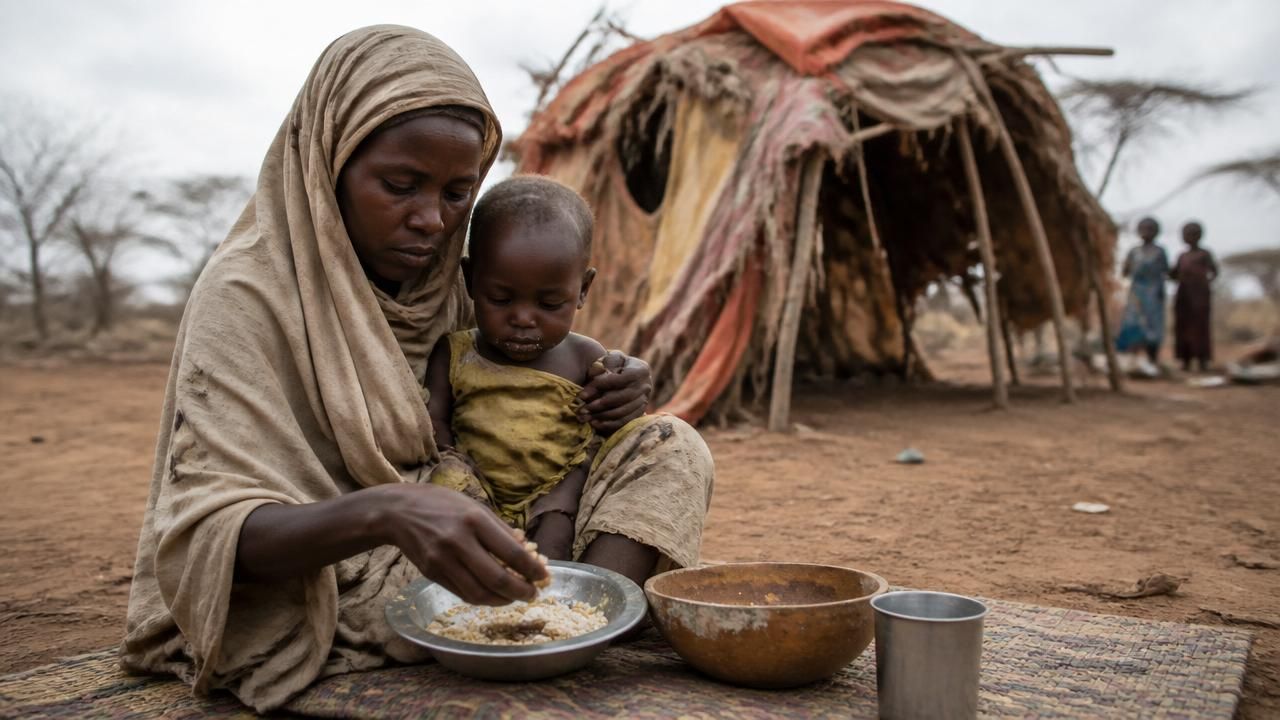
A new report from five United Nations agencies reveals that one in three people globally—2.69 billion individuals—cannot afford a healthy diet. The annual State of Food Security and Nutrition in the World report warns that the cost of nutritious food has spiked 25% since 2021, making it increasingly out of reach for billions, particularly in low-income countries. The findings underscore a stark reversal in progress toward the UN's Sustainable Development Goal of zero hunger by 2030.
The Scope of the Crisis
According to the report, global hunger declined for the third consecutive year in 2025, but the affordability of a healthy diet remains a critical barrier. The UN agencies—including the Food and Agriculture Organization (FAO), the World Food Programme (WFP), and the World Health Organization (WHO)—define a healthy diet as one that provides adequate energy and essential nutrients from diverse food groups such as fruits, vegetables, dairy, and protein sources. However, for 2.69 billion people, the cost of such a diet exceeds their income, forcing them to rely on cheaper, less nutritious options.
“It will take immense amounts of work to achieve the global target of zero hunger by 2030,” the report states, highlighting that current trends are off track.
Cost Surge and Regional Disparities
The cost of a healthy diet has risen sharply since 2021, driven by inflation, supply chain disruptions, climate shocks, and conflict. The report notes that the average cost per day for a healthy diet is now $3.96 in purchasing power parity, up from $3.16 in 2021. This 25% increase has hit hardest in sub-Saharan Africa, South Asia, and parts of Latin America, where more than 70% of the population cannot afford healthy food. In contrast, less than 5% of people in North America and Europe face similar constraints.
Experts point to structural issues: high prices for fruits, vegetables, and dairy products—often due to tariffs, transportation costs, and post-harvest losses—make these foods luxury items for the poor. Meanwhile, staple grains and processed foods remain cheaper, contributing to malnutrition and diet-related diseases.
Perspectives from the Sources
The Guardian's coverage emphasizes the human toll, quoting UN officials who call for “urgent action on food affordability.” The report's authors stress that simply increasing food production is not enough; policies must target the cost of nutritious foods. MSN's reporting highlights the 25% cost spike since 2021, framing it as a post-pandemic crisis exacerbated by inflation. Another MSN article focuses on the staggering number—almost one in three—and the implications for global health and development. A fourth MSN piece underscores the plight of billions of poor people, noting that the cost barrier perpetuates cycles of poverty and ill health.
Historical Context and Implications
The UN report comes amid a broader food crisis. The COVID-19 pandemic, the war in Ukraine, and extreme weather events linked to climate change have disrupted global food systems. The number of undernourished people has risen from 600 million in 2014 to over 700 million in 2025, according to the report. If current trends continue, the goal of ending hunger by 2030 will be missed by a wide margin.
Dr. Agnes Kalibata, former UN Special Envoy for the 2021 Food Systems Summit, notes: “The cost of healthy diets is a silent crisis. It drives malnutrition, stunting in children, and chronic diseases. We need to invest in social protection, agricultural diversification, and market reforms to make nutritious food accessible to all.”
What Can Be Done?
The UN agencies recommend several measures:
- Scaling up social safety nets, such as cash transfers and school feeding programs, to boost purchasing power.
- Reducing trade barriers and subsidies that favor staple crops over fruits and vegetables.
- Investing in cold-chain infrastructure to reduce post-harvest losses.
- Promoting sustainable farming practices to lower production costs.
- Strengthening local food systems to build resilience against shocks.
Without such actions, the report warns, the number of people unable to afford a healthy diet could rise further, deepening global inequalities and undermining progress on health, education, and economic development. The clock is ticking toward 2030, and the world is far from the finish line.