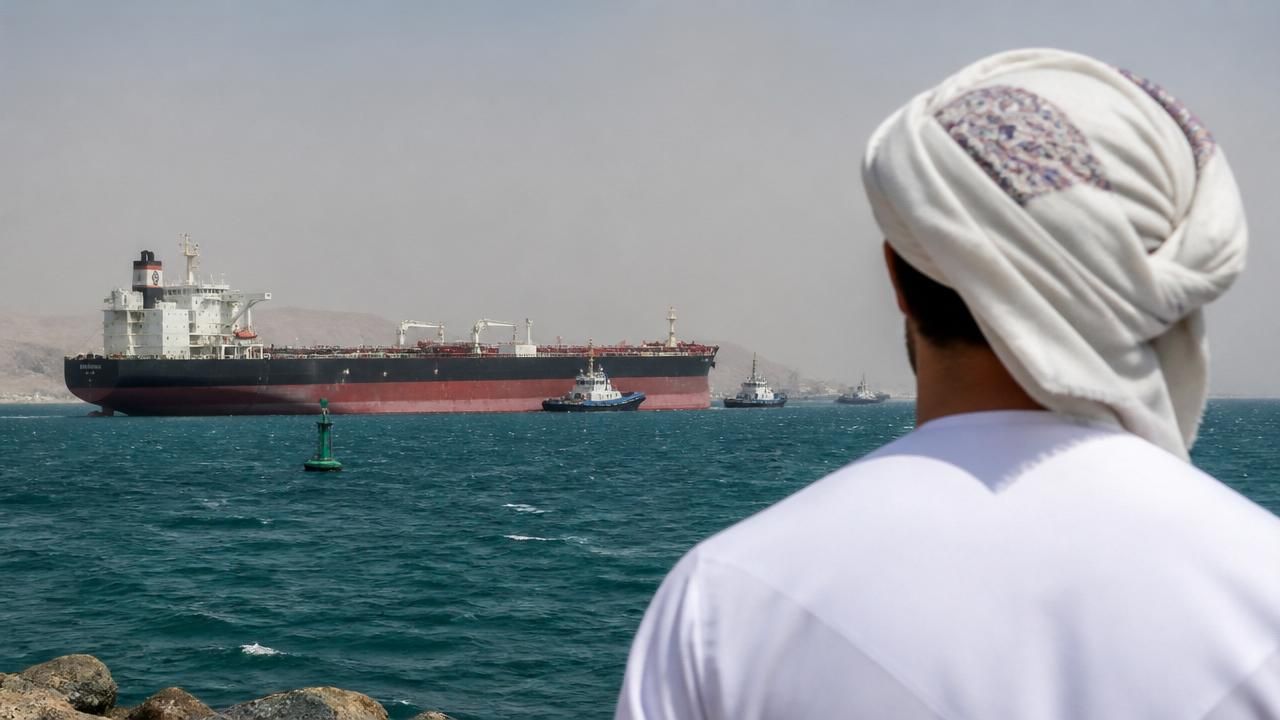
The escalating geopolitical crisis in the Middle East is sending shockwaves through global energy markets, as two Indian state-run refiners have suspended crude oil loadings from Iraq due to mounting security risks in the Strait of Hormuz, according to sources familiar with the matter. The developments come amid a series of attacks on tankers and heightened tensions following US threats against Iran, prompting a reassessment of supply chains and a scramble for alternative sources.
Indian Refiners Pause Iraqi Oil Loadings
Bloomberg reported that Indian Oil Corp and another state-run refiner have halted loadings of Iraqi crude, citing concerns over vessel safety in the Strait of Hormuz, a critical chokepoint through which about 20% of the world's oil passes. The decision follows a drone strike on a tanker at Basra, Iraq's main oil port, which briefly suspended loadings, according to Reuters. However, sources told MSN that Indian Oil Corp later chartered a Very Large Crude Carrier (VLCC) to resume loadings, indicating a cautious but ongoing engagement with Iraqi supplies.
“The risk is simply too high right now. We cannot guarantee the safety of our vessels or crew,” a senior official at one of the refiners told Bloomberg on condition of anonymity.
Other sources, including Discovery Alert and MSN, noted that Indian refiners are strategically reducing West Asian crude purchases and diversifying sources, with some turning to Russian oil after the US issued a temporary waiver allowing such purchases, as reported by Anadolu Agency.
Attacks and Counterattacks: A Volatile Region
The crisis escalated after a Kuwaiti tanker full of oil was struck off Dubai, just a day after US President Donald Trump made threats against Iran, according to The New York Times. The UAE embassy in Iraq was also attacked, and Hezbollah drones targeted Israel, as reported by the Times of India. These incidents have heightened fears of a broader conflict that could disrupt oil flows from the Persian Gulf.
Reuters reported that a drone hit a tanker at Basra, causing a brief suspension of Iraqi oil loadings. Meanwhile, Saudi Aramco resumed oil loading at its Ras Tanura terminal, the world's largest offshore oil facility, providing a boost to supply. However, the overall picture remains precarious, with the Strait of Hormuz becoming a focal point of military and commercial tension.
Global Oil Markets on Edge
Oil prices have continued to climb as the expanding conflict heightens supply risks, according to EnergyNow. Bloomberg's analysis warns that the Hormuz oil shock is now heading west, threatening to impact European and American markets. The Guardian reported that China has called for vessels in the Strait of Hormuz to be protected amid soaring shipping costs, highlighting the global nature of the crisis.
An article on MSN titled “Oil Markets Ignore Mounting Risks at Their Own Peril” suggests that traders may be underestimating the potential for a prolonged disruption. Reuters' analysis on the Iran war threat underscores the possibility of a sustained hit to global energy markets, with Iran's ability to block the strait or target infrastructure.
Supply Chain and Industry Implications
Enterprise AM warns that a closure of the Hormuz could deplete a myriad of supply chains and industries, beyond just oil. The logistics sector, in particular, faces severe disruptions, as the strait is a vital artery for container ships and other cargo. Discovery Alert's analysis on Gulf oil producers battling for Asian market share in 2026 indicates that the crisis is reshaping long-term strategies, with producers like Saudi Arabia and Iraq vying for dominance in Asia amid shifting demand.
Bloomberg also reported that Saudi Arabia and Iraq have stopped oil shipments to Nayara Energy, an Indian refiner, after sanctions were imposed, further complicating the supply picture. However, OilPrice.com noted that India has resumed Iraqi oil imports despite the risks, suggesting a delicate balancing act between energy security and geopolitical exposure.
Historical Context and Expert Views
The Strait of Hormuz has been a flashpoint for decades, with Iran threatening to close it in response to sanctions or military action. The current crisis echoes the 2019 attacks on Saudi oil facilities and the 2020 US assassination of Iranian General Qasem Soleimani, but the scale and coordination of incidents suggest a more dangerous phase. Experts warn that a full closure could send oil prices above $150 per barrel and trigger a global recession.
“We are witnessing a perfect storm of geopolitical risk, supply disruption, and market anxiety,” said Dr. Michael Lynch, an energy analyst. “The situation is fluid, but the implications for global energy security are profound.”
Looking Ahead
As the crisis unfolds, the world's attention is fixed on the Persian Gulf. India's moves to diversify its crude sources, including Russian oil, reflect a broader trend among Asian importers to reduce dependence on the Middle East. The US waiver for Indian refiners to buy Russian oil, reported by Anadolu Agency, underscores the geopolitical realignments underway. Meanwhile, China's call for vessel protection signals its concern over shipping costs and supply chain stability.
For now, the oil market remains in a state of heightened alert, with every drone strike and diplomatic move watched closely. The outcome will not only determine the price of oil but also reshape global energy alliances and security policies for years to come.