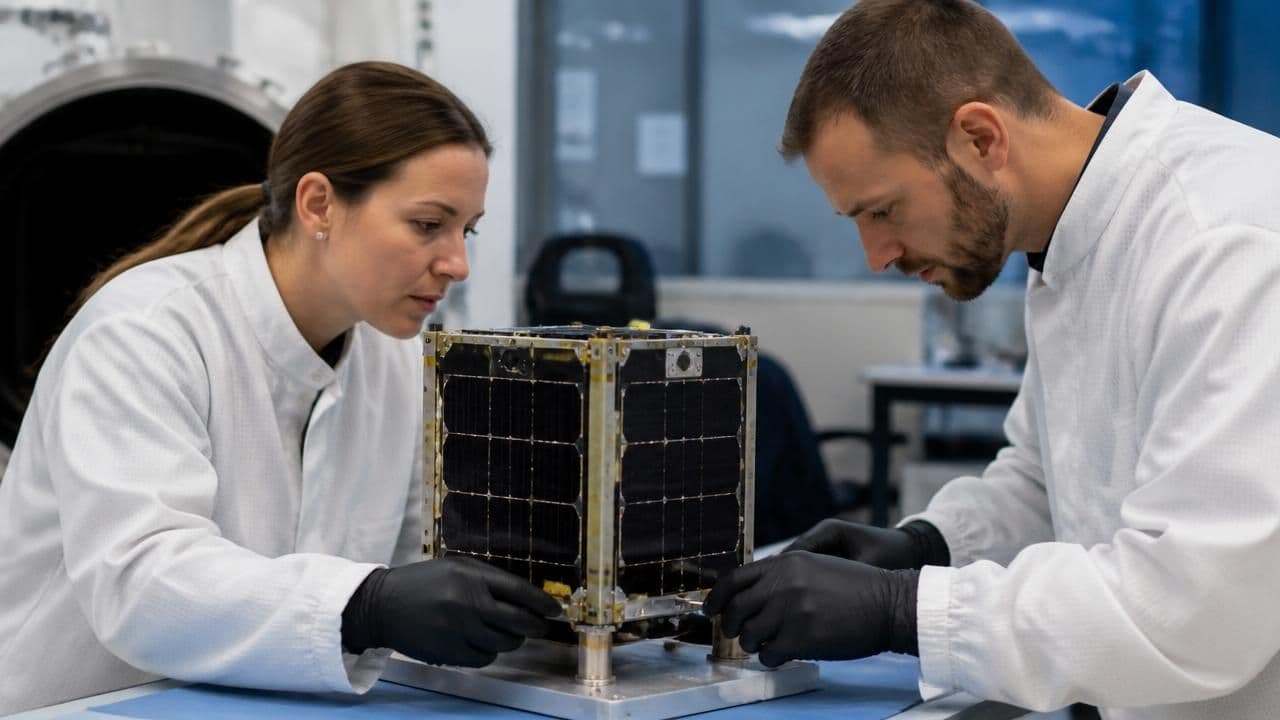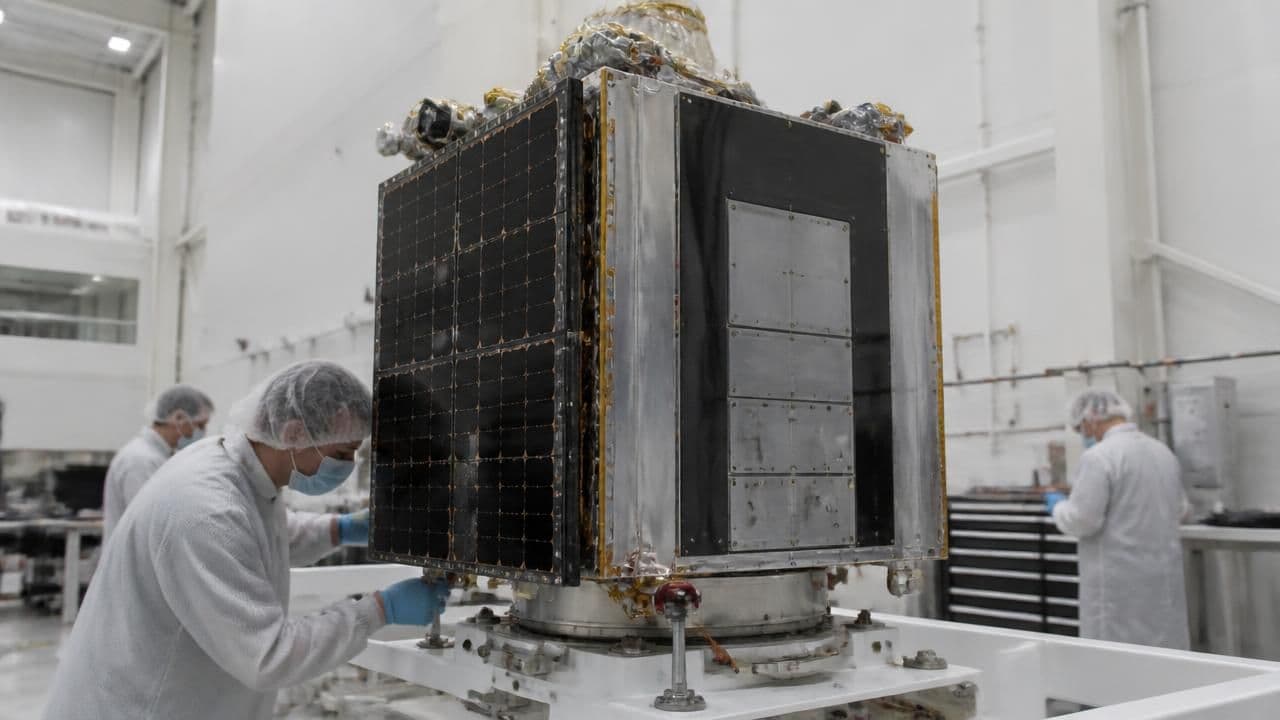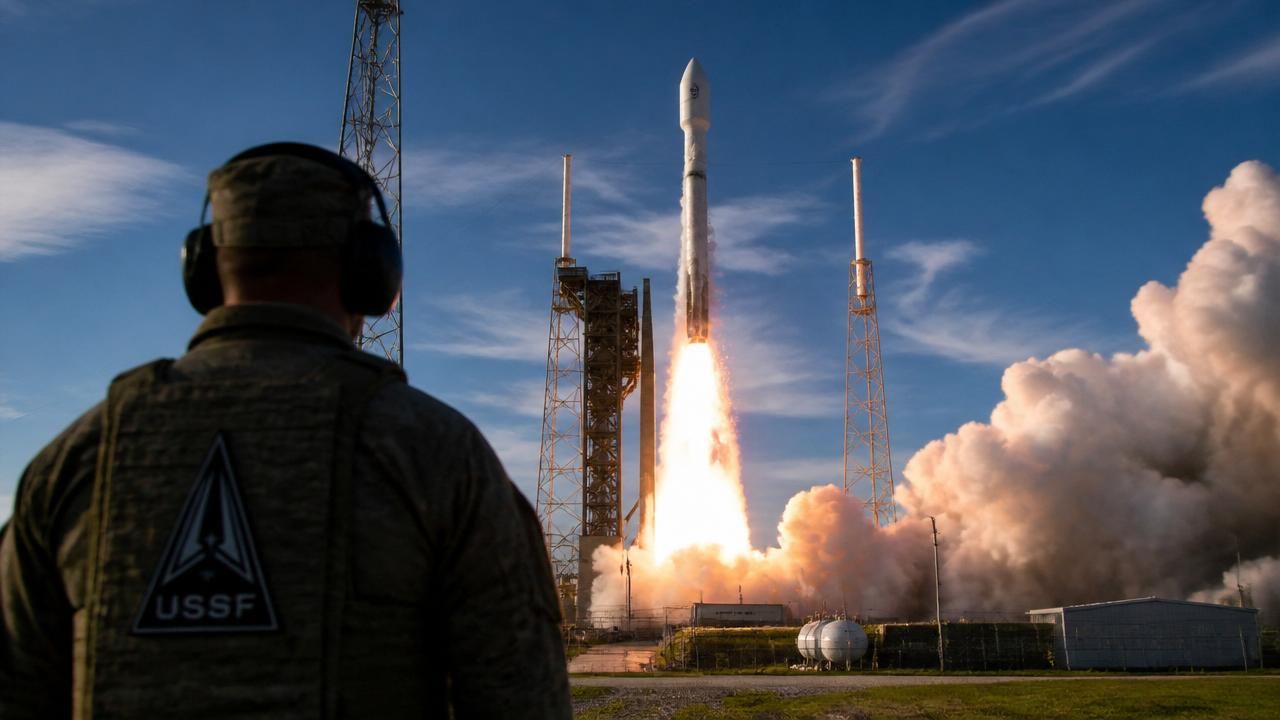
The United States Space Force has dramatically expanded its National Security Space Launch (NSSL) Phase 3 contract, tripling its maximum value from $5.6 billion to $17 billion, according to a Friday announcement that signals a sharp rise in military satellite launch demand. The move comes as the Pentagon accelerates its shift toward a warfighting posture in space, with the Space Force also requesting $1.6 billion for a new Low Earth Orbit (LEO) relay network and preparing for a new round of launch competitions that could reshape the industry.
The NSSL program, managed by Space Systems Command, is divided into two lanes. Lane 1 covers risk-tolerant missions such as medium-lift launches for experimental payloads and rideshare satellites for surveillance or data relay constellations. Lane 2 encompasses high-priority strategic missions, including the government's largest and most expensive spy satellites and radiation-hardened communications satellites designed to survive nuclear war. The contract expansion allows the Space Force to select from a pool of certified launch providers for individual missions, fostering competition among companies like SpaceX, United Launch Alliance (ULA), Blue Origin, and Rocket Lab.
Industry Giants and New Entrants Vie for Lucrative Contracts
SpaceX, already a dominant player, recently secured $6.45 billion in Space Force contracts, according to reports from MLQ News, days before an expected initial public offering (IPO) that could value the company at up to $1.5 trillion. Bloomberg and other outlets have reported that SpaceX plans to go public in 2026, seeking a valuation that would shatter IPO records. However, experts quoted by the New York Post warn that regular investors should be cautious, noting the company's high valuation and the risks of investing in a capital-intensive industry.
Meanwhile, Blue Origin, founded by Jeff Bezos, is reportedly seeking its first outside funding at a $130 billion valuation, according to a New York Times DealBook report cited by Reuters. The company is developing its New Glenn rocket to compete for NSSL contracts. Rocket Lab, which has seen its stock surge 182% in 2025, is positioning itself as a contender for Lane 1 missions. Ars Technica and MSN highlight Rocket Lab's path to winning Space Force business, including its Neutron rocket under development. Seeking Alpha analysts have upgraded Rocket Lab to Buy, citing a new era of growth, though others caution not to hold one's breath on Neutron's timeline.
Rising Demand and Budgetary Pressures
The Space Force's budget is holding steady amid Pentagon fiscal constraints, as reported by SpaceNews, but the service's chief has emphasized that the shift to a warfighting posture continues despite a slight budgetary decrease. The service is also investing in new capabilities, such as a LEO relay network to enhance satellite communications. However, not all news is positive: NASA recently canceled its half-billion-dollar VIPER Moon rover, which was designed to seek water ice, a decision that has drawn criticism from scientists and lawmakers.
The next battle for military launch contracts is about to begin, with the Space Force expected to award multiple task orders under the expanded NSSL Phase 3 program. ULA, a joint venture between Boeing and Lockheed Martin, recently received a $1.18 billion contract to complete five Delta 4 Heavy missions for the National Reconnaissance Office, as noted by SpaceNews. The Atlas 5 rocket also launched an infrared missile detection satellite for the Space Force, demonstrating continued reliance on traditional providers even as new players emerge.
Global Competition and Local Concerns
The modern-day space race is not without its terrestrial impacts. In Central California, the expansion of launch facilities has sparked opposition from local communities, as reported by the Los Angeles Times. Similarly, the Air Force is collecting public comments on bringing SpaceX's Starship to Florida's Space Coast, with hearings in Brevard County drawing both support and concern. The potential clash between President Trump and Elon Musk could also affect space industry operations at Cape Canaveral, according to Florida Today.
Internationally, China is making strides toward landing astronauts on the Moon, potentially beating the US in the next human lunar landing, as Bloomberg notes. Meanwhile, NASA is preparing to launch a robotic rover to seek signs of past Martian life, highlighting the dual focus on exploration and national security.
Investor Perspectives and Market Dynamics
The space sector is attracting significant investor interest, with ETFs offering pure-play and hybrid exposure to the industry. Analysts at Seeking Alpha have weighed in on various companies: Rocket Lab is seen as a buy ahead of SpaceX's IPO, while AST SpaceMobile's dip has prompted some investors to buy. Karman Holdings is considered to have solid demand but a valuation that is not cheap. Firefly Aerospace's successful Alpha launch validates its technology, but the real test is achieving a high launch cadence.
SpaceX's potential $2 trillion valuation has been called into question by some analysts, who argue it makes no sense given the risks. Nevertheless, the company's dominance in the launch market and its Starlink satellite internet business continue to drive optimism. As the Space Force expands its contracts and new players enter the fray, the coming years promise intense competition and transformative developments in military and commercial space operations.