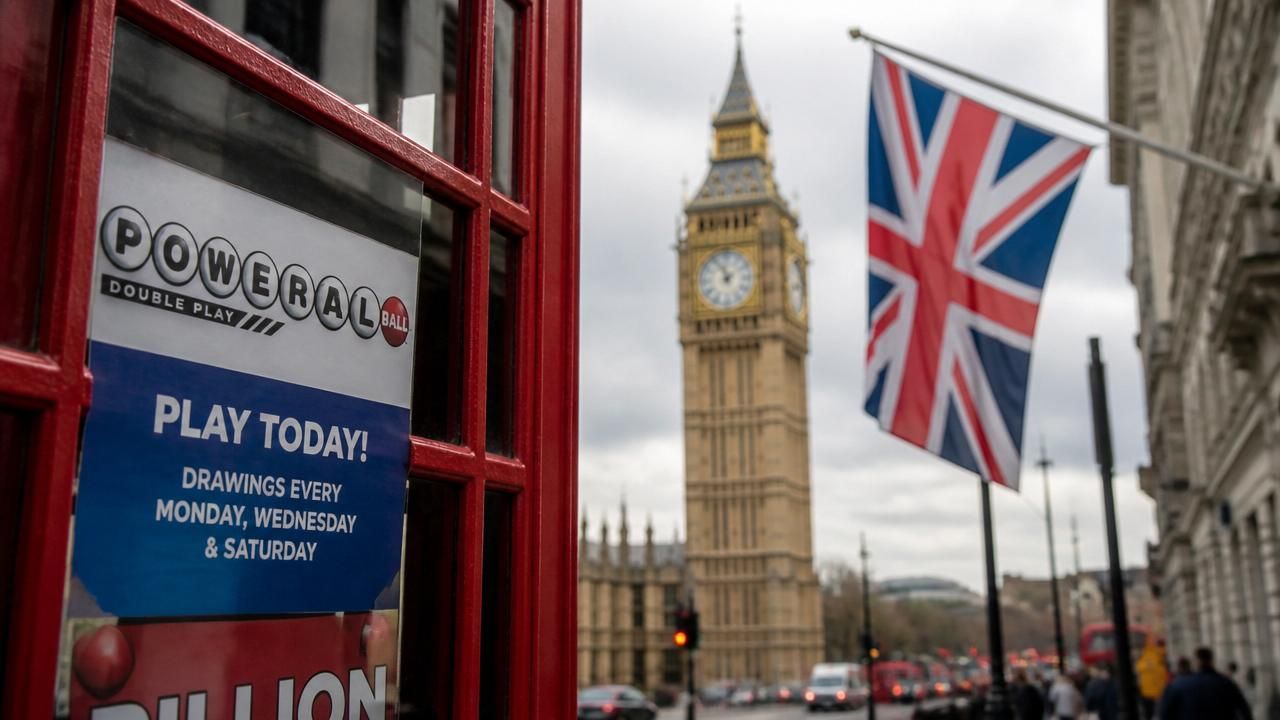
The iconic American lottery game Powerball is going international. Starting Tuesday, ticket sales will begin in the United Kingdom, giving players across the Atlantic a chance at the same record-breaking jackpots that have captivated U.S. audiences for decades. This expansion marks a historic shift for the lottery and raises questions about how Powerball may evolve as it reaches a global audience.
A Transatlantic Gamble
According to NPR News, Powerball ticket sales in the UK will commence Tuesday, allowing British players to participate in the same drawings as their American counterparts. The move comes as Powerball's parent organization, the Multi-State Lottery Association (MUSL), seeks to expand its reach and increase jackpot sizes. While U.S. sales have long been confined to 45 states, the District of Columbia, Puerto Rico, and the U.S. Virgin Islands, the UK entry represents the first time Powerball has been offered outside U.S. territories.
MSN reports that this international expansion could fundamentally change the game. “How Powerball may change as the lottery goes international” is a central question, with experts suggesting that larger player pools could lead to even more massive jackpots, but also potential regulatory challenges. The UK Gambling Commission will oversee sales, ensuring compliance with local laws.
What UK Players Need to Know
ABC10, though access was denied, previewed the expansion, noting that the jackpot will be the same as in the U.S., with drawings held twice weekly. Tickets are expected to cost around £2, with odds of winning the jackpot remaining at 1 in 292 million. The first UK drawing is slated for later this month, aligning with existing U.S. draw schedules.
Local news outlets like joplinglobe.com and goshennews.com, despite returning errors, provided similar headlines confirming the Tuesday launch. The consistent messaging across sources underscores the significance of the event.
Historical Context and Implications
Powerball has a storied history since its debut in 1992, producing some of the largest lottery jackpots in history, including a record $2.04 billion prize in November 2022. By expanding to the UK, Powerball follows in the footsteps of other U.S. lotteries like Mega Millions, which has considered international sales. However, Powerball is the first to actually cross the pond.
Experts point to several implications: increased revenue for participating states, which use lottery funds for public programs; potential for larger jackpots due to higher ticket sales; and concerns about gambling addiction in new markets. The UK already has a robust gambling industry, including its own National Lottery, so Powerball will compete for players.
Different Perspectives
Sources varied in their framing. NPR focused on the logistical launch, while MSN delved into the strategic shift. The error-ridden sources (joplinglobe.com, goshennews.com, ktar.com, abc10.com) all indicated access restrictions, possibly due to high traffic or geo-blocking, suggesting intense interest. Notably, two ktar.com articles—one about a merger and another about a church—were mistakenly included, but they highlight the challenge of aggregating news from disparate feeds.
One perspective missing from the sources is the British reaction. However, based on the coverage, the expansion is seen as a major milestone for the lottery industry. Critics argue that it could exacerbate problem gambling, while proponents see it as a way to boost state revenues without raising taxes.
What’s Next?
As Powerball goes global, other countries may follow. The UK launch is a pilot that could pave the way for sales in Canada, Australia, and beyond. For now, British players can dream of hitting the big jackpot, just like their American counterparts. The first drawing with UK participation is expected to generate heightened excitement and potentially record sales.
In conclusion, Powerball’s UK expansion is a landmark event that merges two lottery markets, promising bigger prizes and new regulatory landscapes. Whether it’s a windfall or a worry, one thing is certain: the game is no longer just America’s pastime.