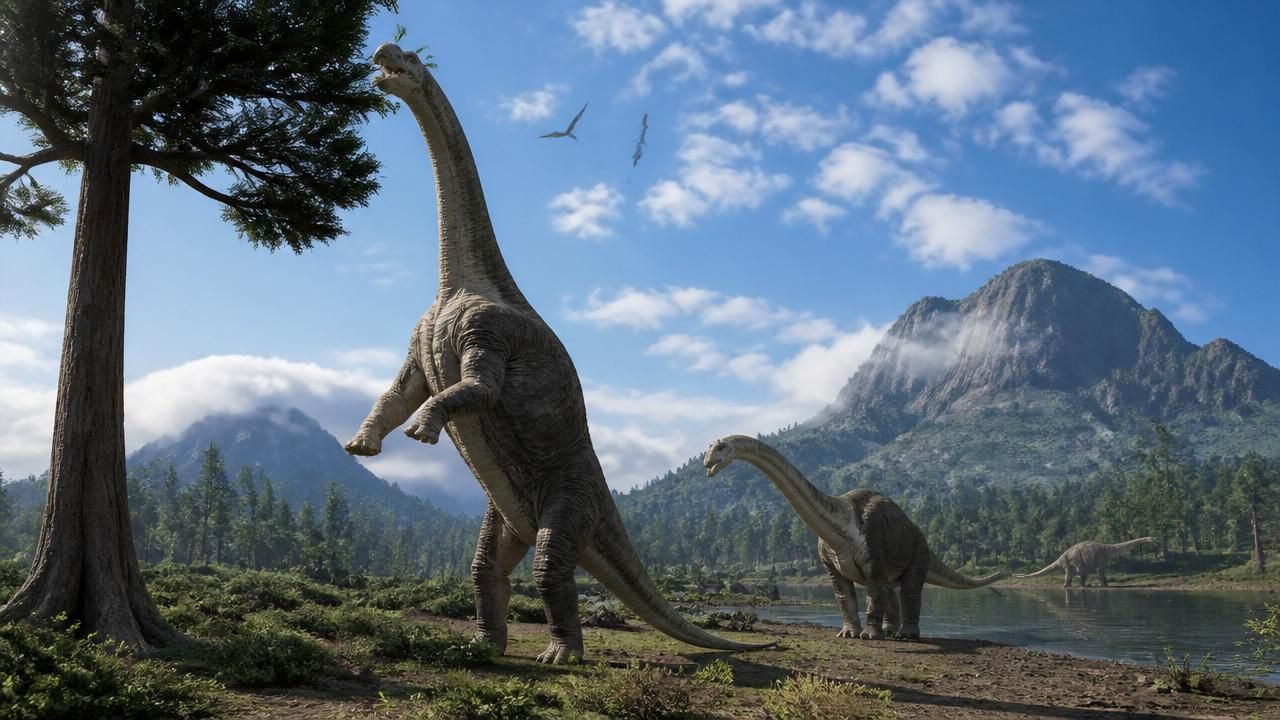
In the age of dinosaurs, some of the most colossal creatures to ever walk the Earth—the sauropods—may have had a surprising skill: the ability to rear up on their hind legs, at least while they were young. A new study published in Science Daily and led by researchers at the University of Bristol and the Natural History Museum has used digital biomechanical models to show that two elephant-sized South American sauropods were unusually well built for standing upright. The findings offer a fresh perspective on dinosaur gigantism and the physical limits of vertebrate size.
Digital Tests of Dinosaur Strength
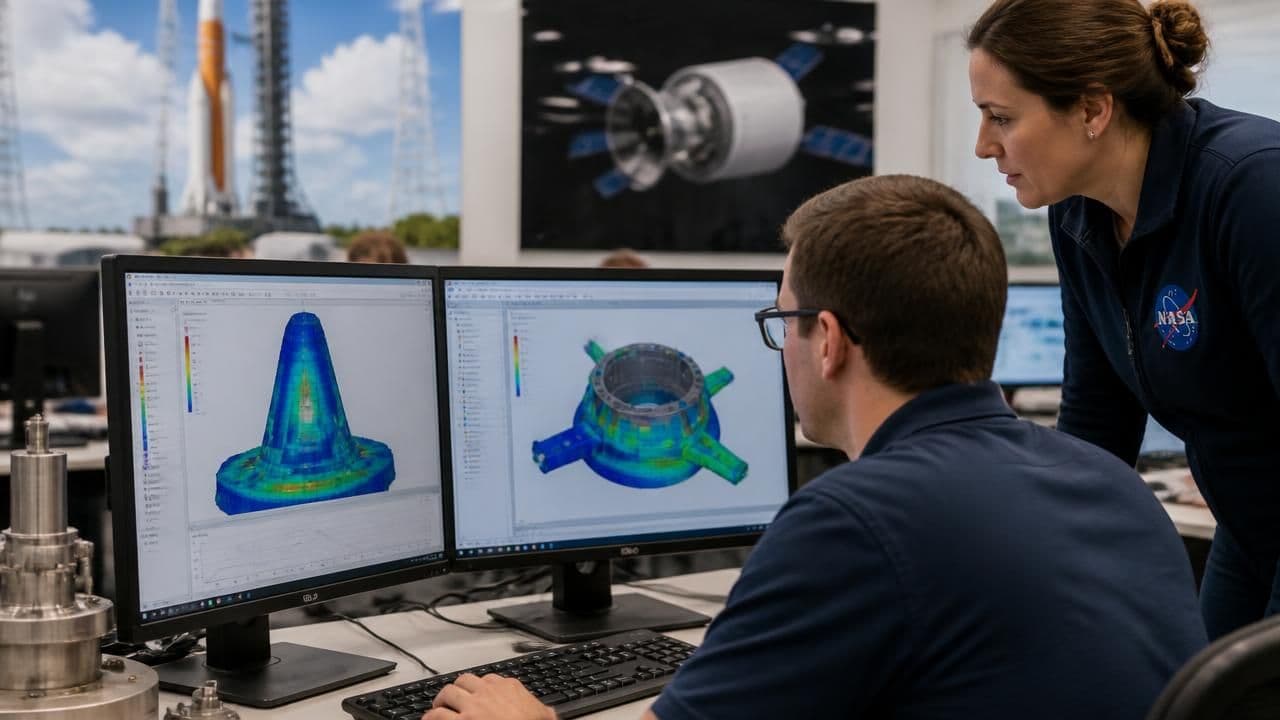
The study focused on two species: Patagosaurus and Argentinosaurus, both from the Jurassic and Cretaceous periods of South America. Using detailed bone scans and finite element analysis, the team simulated the forces these dinosaurs would have experienced when rearing up. The results showed that their robust femurs could handle the enormous compressive and bending stresses far better than those of larger sauropods, especially when the animals were younger and smaller.
“The upright pose may have helped them reach treetops, frighten predators, or impress potential mates,” the researchers note, but they caution that as the dinosaurs grew, the mechanical advantage faded. “Eventually, the sheer mass made bipedal postures impossible.”
This discovery ties into a broader understanding of dinosaur evolution. The Triassic Period, as detailed by the Natural History Museum, saw the rise of the first dinosaurs, which were relatively small and bipedal. Over millions of years, some lineages evolved into the gigantic quadrupeds of the Jurassic and Cretaceous. The new study suggests that the ability to rear up may have been a retained juvenile trait that became unsustainable in adulthood—a phenomenon known as ontogenetic niche shift.
Debunking Dinosaur Myths
The findings also help dispel common dinosaur myths, as highlighted by a recent article on MSN. One persistent myth is that all dinosaurs were colossal; in reality, many were small and agile. Another is that dinosaurs were slow and lumbering, but evidence shows some could run at impressive speeds. The new research adds nuance: even giants like sauropods may have been surprisingly dynamic in their youth.
Dr. Kristi Curry Rogers, a paleontologist at Macalester College and an expert on dinosaur growth, has long argued that studying juvenile specimens is key to understanding dinosaur biology. In a recent interview, she said, “Young dinosaurs are not just mini adults—they have different proportions, behaviors, and ecological roles. The ability to rear up might have been a critical adaptation for young sauropods to access food or escape predators.”
The Deadly Prehistoric World
While sauropods were among the most successful herbivores, the prehistoric world was filled with terrifying predators. Discover Wildlife magazine recently listed the ten deadliest prehistoric birds, including the “terror bird” Phorusrhacos, which could sprint at 40 mph and swallow prey whole. These birds were apex predators in South America long after the dinosaurs died out.
Before the dinosaurs, even more bizarre mega-beasts roamed the Earth. A car-sized millipede, Arthropleura, and the armored fish Dunkleosteus, whose bite could crush steel, dominated the Carboniferous and Devonian periods. The sheer size of these creatures raises a question that has puzzled scientists for decades: why don’t we see such gigantic animals today?
Why No More Giants?
An article on Science ABC explores this question, pointing to several factors. Oxygen levels were higher in the past, allowing larger insects and arthropods to breathe. For dinosaurs, a unique combination of efficient respiratory systems, hollow bones, and a warm climate enabled gigantism. Today, mammals have different metabolic constraints, and the largest land animal—the African elephant—is dwarfed by even the smallest sauropods.
But being huge came with risks. A separate study from Science Daily reveals that giant dinosaurs in Brazil suffered from a mysterious bone disease, possibly related to their immense weight and rapid growth. The disease, similar to osteomyelitis, left lesions on their vertebrae, suggesting that size exacted a physiological toll.
Implications for Understanding Evolution
The new research on sauropod rearing has implications beyond paleontology. It demonstrates how digital modeling can test hypotheses about extinct animals’ behavior. “We can now simulate the forces that bones experienced millions of years ago,” said lead author Dr. Alejandro Otero of the University of Bristol. “This opens a window into the lives of dinosaurs that was previously closed.”
The study also underscores the importance of ontogeny—the development of an organism over its lifetime. Juvenile dinosaurs may have occupied different ecological niches than adults, reducing competition within species. This life-history strategy might have been key to the evolutionary success of sauropods.
Conclusion: A New View of Giants
From the rise of the first dinosaurs in the Triassic to the reign of the titans in the Jurassic and Cretaceous, the story of dinosaur gigantism is one of adaptation and constraint. The ability to rear up may have been a fleeting advantage—a window of opportunity that closed as the dinosaurs grew too heavy. Yet, for a time, these giants could indeed rise like giants, reaching for the treetops or confronting predators in a posture that now seems almost impossible.
As Dr. Curry Rogers puts it, “Every fossil tells a story, but we need the right tools to read it. This study reminds us that even the most familiar dinosaurs still have surprises in store.”