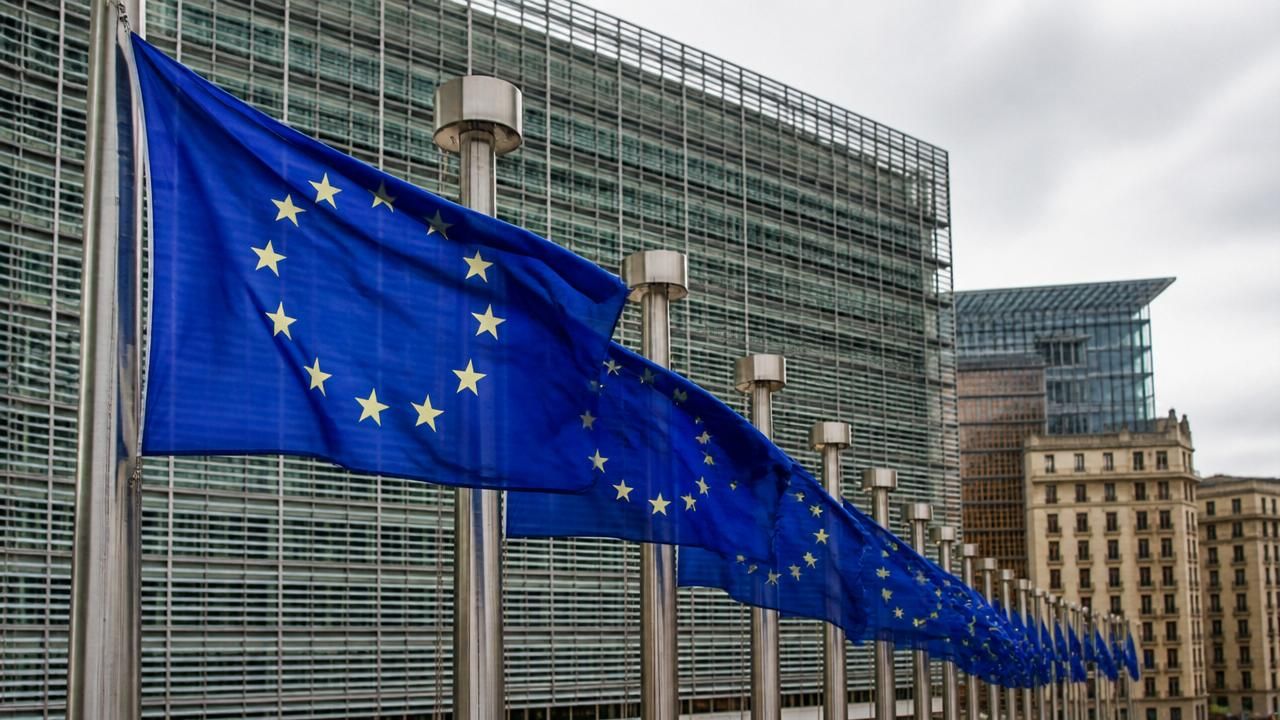
The European Commission has imposed a record fine of €550 million (approximately $629 million) on AliExpress, the Chinese-owned e-commerce giant, for violating the European Union's Digital Services Act (DSA). The penalty, announced on [date], is the largest ever under the DSA and more than double the €250 million fine levied against competitor Temu earlier this year for similar violations.
What the EU Found
According to the European Commission, AliExpress failed to take effective measures to prevent the sale of illegal, unsafe, and counterfeit products on its platform. Investigators found that the company allocated insufficient staff to verify product listings and did not promptly remove dangerous items, including unsafe toys and hazardous cosmetics, which remained available for 'multiple weeks' after detection. The ruling highlights systemic shortcomings in AliExpress's content moderation and seller vetting processes.
Context and Historical Background
The DSA, which came into full effect in February 2024, requires large online platforms to proactively combat illegal content and goods, conduct risk assessments, and implement robust compliance measures. AliExpress, designated as a 'very large online platform' with over 45 million monthly active users in the EU, has been under scrutiny since the DSA's enforcement began. The fine follows a series of warnings and a formal investigation launched in 2023. This penalty underscores the EU's determination to hold tech giants accountable for consumer protection and market integrity.
Comparison with Temu
The AliExpress fine dwarfs the €250 million penalty imposed on Temu in [month/year] for similar DSA breaches. Both cases involve Chinese-owned e-commerce platforms, but the larger fine against AliExpress reflects the scale of violations and the platform's longer presence in the EU market. The European Commission stated that AliExpress's non-compliance was 'more extensive and prolonged' than Temu's.
Perspectives from the Sources
Coverage of the fine varied across outlets. The Verge emphasized the technical failures, quoting the Commission's finding that AliExpress 'allocated insufficient staff' to verification. The Guardian framed the penalty as a 'record' blow to the retail industry, highlighting the broader impact on cross-border e-commerce. MSN and Al Bawaba focused on the financial magnitude, with both outlets using the $630 million figure. The consensus is that the fine signals a tougher EU stance on digital market regulation.
'The spread of counterfeit clothing, unsafe toys, dangerous cosmetics and other illegal and harmful products is not acceptable,' said a European Commission spokesperson. 'Platforms must do their part to protect consumers.'
Implications and Expert Views
Legal experts view the fine as a landmark enforcement action that will reshape e-commerce compliance. Dr. Anna Müller, a digital law professor at the University of Brussels, noted: 'This sends a clear message that the DSA is not a paper tiger. Companies must invest in real-time monitoring and proactive removal of illegal goods.' The penalty may also prompt AliExpress to overhaul its compliance systems, potentially raising costs for sellers and consumers. Industry analysts warn that smaller platforms could face similar scrutiny, leading to a wave of regulatory actions across the sector.
AliExpress Response
AliExpress has announced it will appeal the decision, arguing that the company has already made significant investments in compliance. In a statement, the company said it is 'committed to cooperating with regulators' but believes the fine is disproportionate. The appeal process could take years, during which the penalty remains payable.
What This Means for Consumers
For EU consumers, the ruling may lead to stricter product safety standards and fewer counterfeit listings on AliExpress. However, it could also result in higher prices as sellers pass on compliance costs. Consumer advocacy groups have welcomed the fine, calling for greater transparency in platform operations.
Broader Regulatory Landscape
The AliExpress fine is part of a broader EU crackdown on digital platforms. Earlier this year, the Commission also fined Meta €390 million for DSA violations related to data privacy. The trend indicates that the EU is willing to use its regulatory muscle to enforce digital rules, potentially influencing global standards. As the DSA matures, more fines and compliance mandates are expected for major tech companies operating in Europe.