As summer temperatures rise, so does the threat from mosquitoes. Once confined to tropical and subtropical regions, disease-carrying mosquito species are expanding their ranges into historically temperate areas like New England and Europe, driven by climate change. Scientists and public health officials warn that without better monitoring and control, the world could see a surge in arboviral diseases such as dengue, chikungunya, Zika, and West Nile fever.
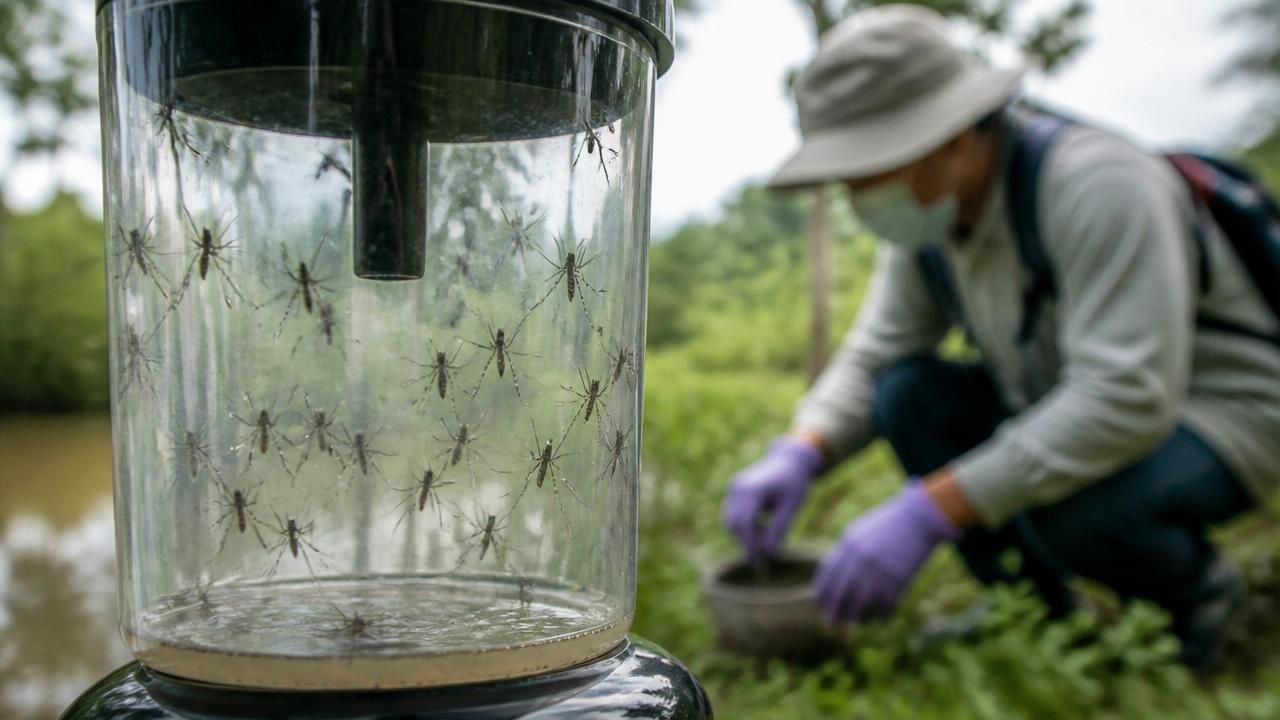
In Connecticut, a statewide mosquito monitoring program has detected 54 different species, including the invasive Asian tiger mosquito (Aedes albopictus), which can transmit dengue and Zika viruses. The species' historical range was limited to warmer, humid climates farther south, but it has been moving northward as temperatures warm, according to a report by Ars Technica. Similarly, the UK Health Security Agency has warned that the Asian tiger mosquito is colonizing Europe, with populations established in parts of France, Spain, and Italy, and detections increasing in the UK.
The Expanding Threat
The Asian tiger mosquito is just one of several species on the move. A study published in Communications Earth & Environment used a climate and population-dependent diffusion model to forecast the spread of Aedes albopictus across Europe, projecting that by 2050, much of the continent could become suitable habitat. DW.com reports that the species is already fueling disease spread in Europe, with local transmission of dengue and chikungunya occurring in southern Europe.
The World Health Organization (WHO) notes that dengue incidence has grown dramatically worldwide, with cases reported in over 100 countries. The Pan American Health Organization (PAHO) links this increase to climate change, which expands the geographic range of mosquito vectors and shortens the incubation period of viruses. In the United States, health experts warn Americans to prepare for a surge of the world's deadliest mosquito species, as reported by AOL.com. Eastern Equine Encephalitis (EEE) and West Nile virus are also on the rise, according to Boston University's School of Public Health.
Surveillance and Technology
Enhanced monitoring is critical to preventing outbreaks. The VECTRACK project, funded by the European Commission, is developing sensor networks to detect mosquitoes carrying West Nile fever. In Australia, researchers are harnessing artificial intelligence to enhance surveillance and response measures for arbovirus outbreaks, as detailed in a study published in Frontiers in Science. Stanford biologist Erin Mordecai is tracking mosquito movements and modeling disease risk under climate change, emphasizing the need for proactive public health strategies.
Google has also entered the fray, with plans to use technology to fight mosquito-borne diseases, as reported by MSN.com. The company is exploring AI-driven tools to predict mosquito breeding sites and optimize control efforts.
Global Hotspots
India faces a heavy burden of arboviral diseases, with a comprehensive overview in Communications Medicine highlighting the need for improved surveillance, drug and vaccine funding, and community engagement. The Pasteur Institute in France is studying how far mosquitoes, ticks, and biting flies will spread under climate change. In Africa, a report from Inside Climate News details how remote communities in Mali are already experiencing the impacts of climate change, including increased vector-borne disease.
The BMJ has published research on climate change and communicable diseases, emphasizing that warming temperatures will likely expand the range of many pathogens. A study in Ecological Society of America journals calls for disease-smart climate adaptation strategies for wildlife management and conservation.
Public Health Response
Public health agencies are urging communities to take action. The UK Health Security Agency blog encourages citizens to help resist the tiger mosquito's conquest by reporting sightings and eliminating standing water. Gavi, the Vaccine Alliance, shares first-hand accounts from the epidemic frontline, highlighting the importance of rapid response and vaccination campaigns.
However, challenges remain. Many regions lack adequate surveillance infrastructure. As Inside Climate News notes, a 403 Forbidden error on their article about mosquito monitoring underscores the difficulty in accessing information in some areas. Meanwhile, Indiaspend.com reports that drug and vaccine funding, along with surveillance, are critical to ending neglected tropical diseases.
Conclusion
The convergence of climate change, global travel, and urbanization is creating new opportunities for mosquitoes and the diseases they carry. Enhanced monitoring, technological innovation, and international cooperation are essential to mitigate this growing threat. As the planet warms, the battle against mosquito-borne diseases will increasingly define public health in the 21st century.