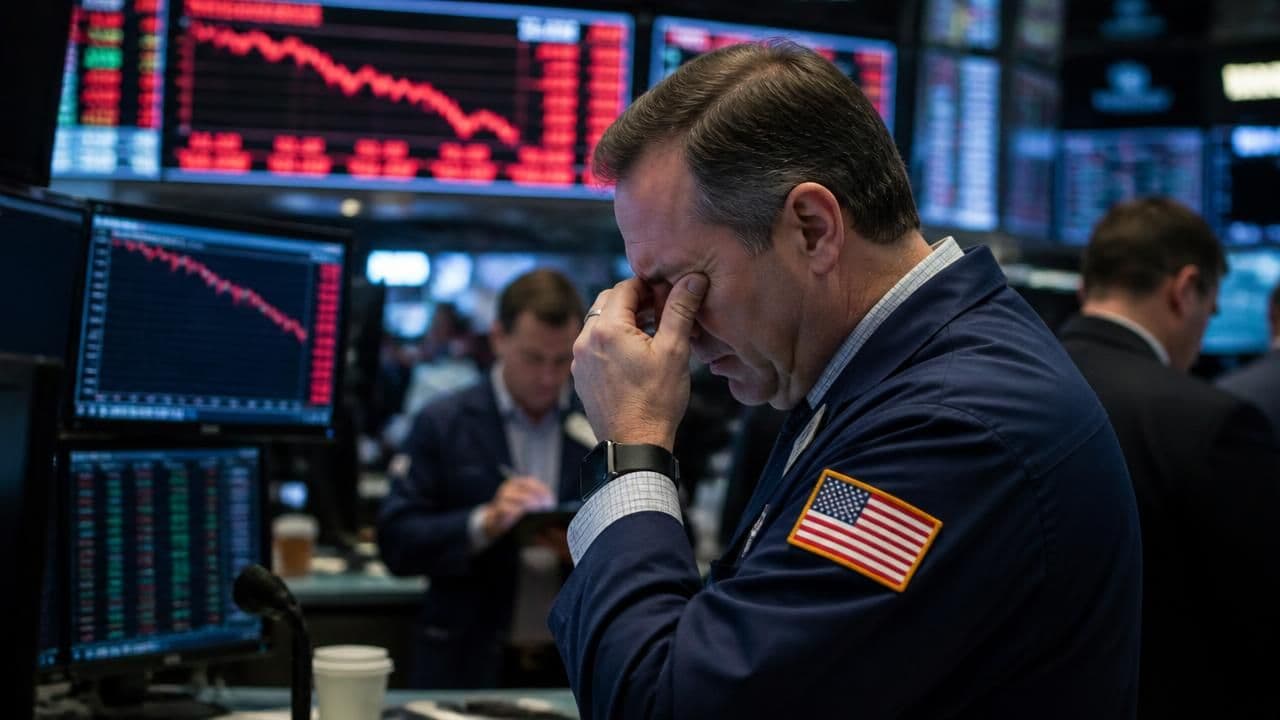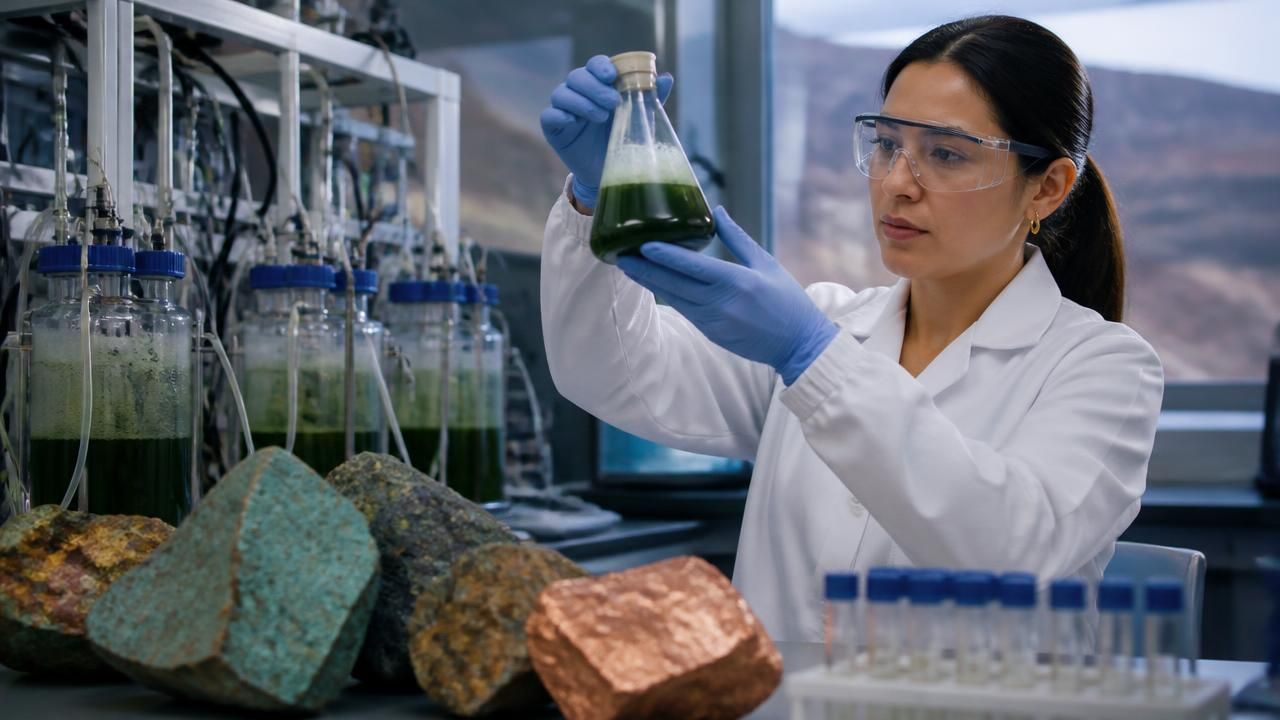
The global copper market is facing a paradox. Copper is essential to the electrification of everything from power grids and electric vehicles to wind turbines and data centers, yet the mines that produce it are struggling to keep pace with demand. According to Bloomberg, some companies are now turning to an unusual ally: microbes. Biomining, the process of using microorganisms to extract metals from ore and waste, is being explored as a way to boost supply without waiting for entirely new mines to come online.
A metal at the center of electrification
Copper is one of the most conductive and widely used industrial metals. It carries electricity through transmission lines, motors, batteries, and electronics. As governments and companies invest in clean energy and artificial intelligence infrastructure, demand for copper is rising sharply. The International Energy Agency and other forecasters have warned that without significant new supply, copper could become a bottleneck for the energy transition. Some industry scenarios project demand doubling by mid-century, while new mines take years, sometimes decades, to permit and develop.
“The global copper supply is on a collision course with growing electricity demand,” Bloomberg reported, framing the challenge facing miners, manufacturers, and policymakers.
The concern is not simply that copper is scarce. It is that high-grade deposits are becoming harder to find and more expensive to develop. Many existing mines are aging, and ore grades are declining, meaning more rock must be processed to produce the same amount of metal. That reality has renewed interest in technologies that can economically recover copper from lower-grade ores, tailings, and waste streams.
What biomining does
Biomining is not a new idea. For decades, mining companies have used microbes in heap leaching, where crushed ore is stacked and irrigated with acidic solutions. Certain bacteria, such as Acidithiobacillus ferrooxidans, oxidize sulfide minerals and help release copper into solution. The copper-rich liquid is then collected and processed through electrowinning or solvent extraction to produce refined metal. The approach has been used commercially for copper, uranium, and gold, particularly where conventional processing would be too costly.
From waste to resource
What is changing now is the scale and sophistication of the effort. Companies and researchers are trying to engineer microbial communities that work faster, tolerate harsher conditions, and recover more metal from difficult ores. Some are focusing on waste rock and tailings, which can contain residual copper that was previously considered uneconomic. Others are exploring in-situ leaching, where solutions are injected into fractured rock underground and copper is recovered from the resulting fluid.
- Lower-grade ores: Microbes can help extract copper from sulfide ores that are difficult to process conventionally.
- Tailings and waste: Biomining may recover residual metals from historical mining waste, adding supply without new excavation.
- Lower energy intensity: Compared with smelting, bioleaching can reduce energy use and emissions, though the full footprint depends on site conditions.
- Geographic reach: The technology is being examined in major copper regions such as Chile, Peru, the United States, and the Democratic Republic of Congo.
The economics and the limits
Biomining is not a silver bullet. Microbial leaching is often slower than conventional milling and smelting, and it can be sensitive to temperature, acidity, and ore mineralogy. Recoveries vary widely. At a time when copper prices are volatile, companies must weigh the capital costs of building or retrofitting bioleaching operations against uncertain returns. Permitting and environmental review can also slow projects, even when the technology itself has a smaller surface footprint than a traditional mine.
Still, the financial case is strengthening. As copper demand rises and high-grade deposits are depleted, resources that were once marginal become more attractive. Biomining could extend the life of existing operations, unlock stranded assets, and provide a domestic source of critical minerals for countries seeking to reduce import dependence. Bloomberg’s report points to a growing cohort of companies betting that microbes can help fill the gap.
Can microbes close the gap?
The short answer is: not alone. Even optimistic biomining advocates acknowledge that microbial extraction will be one part of a broader supply strategy. Closing the copper gap will require new mines, expanded recycling, improved material efficiency, and sustained investment in exploration. But biomining offers something that new mines often cannot: speed. A bioleaching project can sometimes be deployed at an existing site more quickly than a greenfield mine can be permitted and built.
For investors, the sector represents a high-risk, high-reward bet on the intersection of biotechnology and critical minerals. For policymakers, it raises questions about how to regulate and incentivize low-impact extraction while ensuring environmental safeguards. For the mining industry, it is a reminder that the energy transition will require not only more metal but also new ways of producing it. Whether microbes become a meaningful part of the copper supply chain will depend on engineering, economics, and the price of copper itself. What is clear is that the search for solutions is no longer confined to geology and heavy machinery; it now includes the microscopic world.