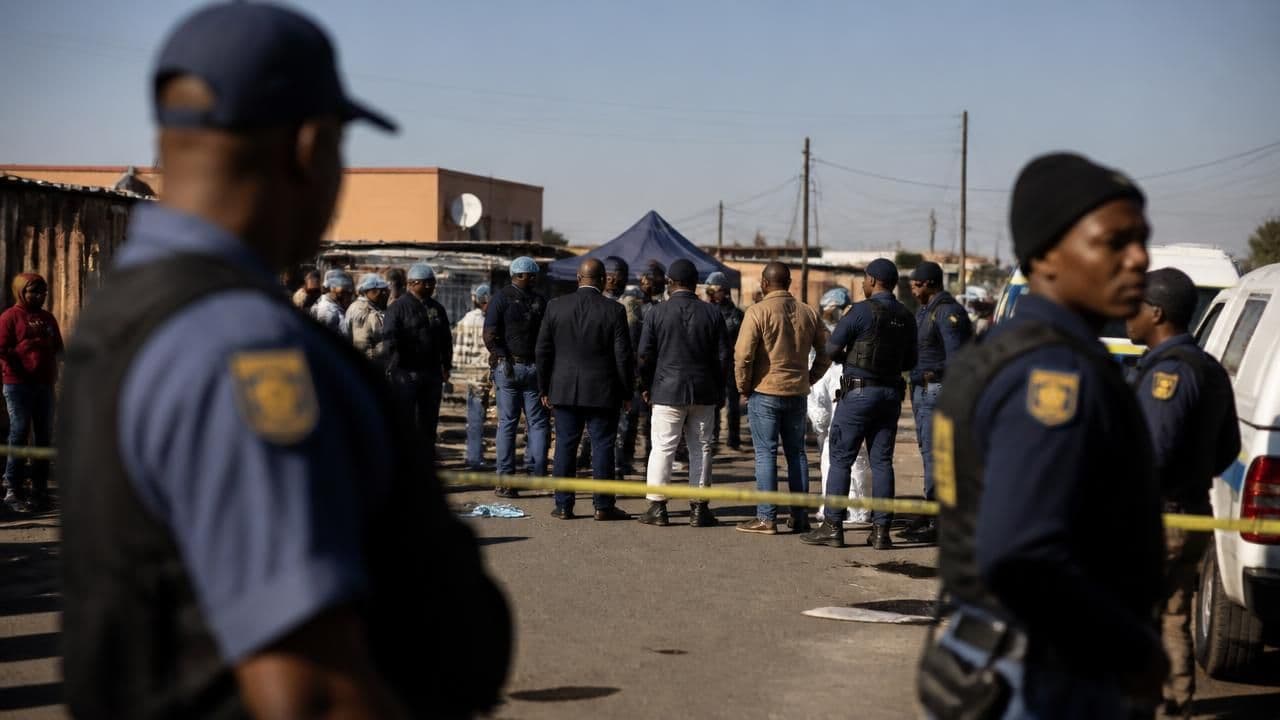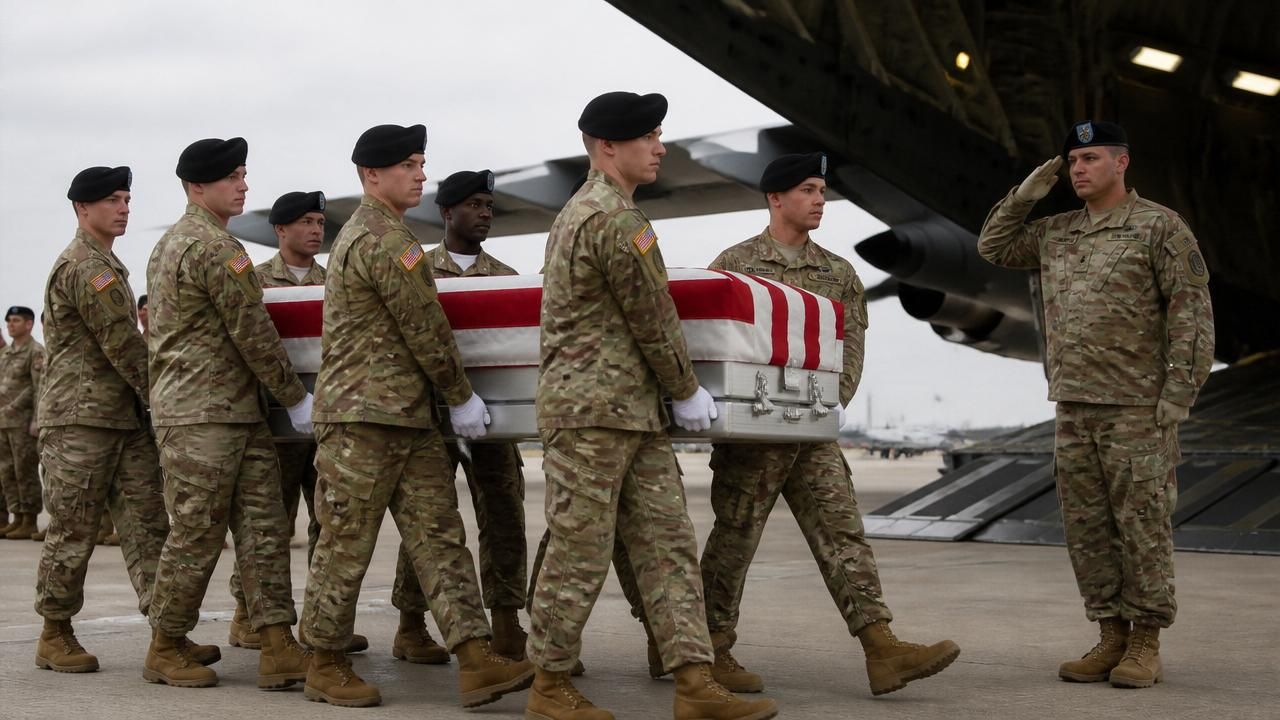
The conflict between the United States and Iran has entered a dangerous new phase, with the Pentagon confirming the death of another American service member in northern Iraq on Saturday. The soldier was killed while disposing of an Iranian drone, according to the New York Times. This latest casualty brings the total number of U.S. troops killed in the conflict to at least 16, as reported by the Los Angeles Times, raising fears of an uncontrollable spiral toward a wider war.
Escalating Casualties and Unidentified Remains
The Pentagon also announced that “unidentified remains” had been found in Jordan, where an earlier attack left two soldiers dead and another missing. The missing service member has not yet been accounted for, with officials expressing grave concerns. CBS News reported that the U.S. strikes against Iran are now entering their second week, with no signs of de-escalation. The New York Times noted that a downed U.S. jet and missing crew member have further raised the stakes in the conflict.
U.S. Retaliation and Iranian Response
President Donald Trump has ordered a new round of strikes to “hold Iranian forces accountable,” according to CENTCOM. The U.S. military has been targeting Iranian infrastructure, including bridges and water plants, as reported by the New York Times. The strikes have stretched into a seventh consecutive day. Iran has retaliated by attacking U.S. bases in Jordan and Iraq, and has also targeted oil tankers in the Strait of Hormuz, according to multiple sources including MSN and Yahoo News. Kuwait and Bahrain have reported Iranian attacks following the latest U.S. strikes, as noted by Yahoo News.
Regional Fallout and International Reactions
The conflict is drawing in regional players. Jordan shot down three Iranian missiles after the U.S. struck a nuclear site in Iran, the Indian Express reported. Kuwait condemned an alleged Iranian strike on a power and water desalination facility, according to India Today. Meanwhile, Iran's Supreme Leader slammed the U.S. over breached commitments, calling the president's signature “worthless,” as reported by the Economic Times. House Republicans have unveiled a $95 billion plan for the Iran war, farm aid, and elections, according to Firstpost.
Strait of Hormuz Under Siege
One of the most alarming developments is the escalation in the Strait of Hormuz, a vital chokepoint for global oil supplies. Trump has ordered the U.S. military to “shoot and kill” Iranian boats mining the strait, NBC News reported. Two tankers exploded after hitting mines in the strait, according to the IRGC, as cited by MSN. The Guardian reported that one of two U.S. crew members was rescued after an F-15E jet was shot down over Iran.
Historical Context and Expert Views
The current crisis echoes past conflicts, including the 2006 Lebanon War and the 2003 Iraq War. Former Prime Minister Tony Blair told the Iraq Inquiry that he would invade again, and former Israeli President Shimon Peres discussed the future of Israel in the context of the 2006 war. These historical parallels underscore the long-standing tensions in the region. Experts warn that the current tit-for-tat strikes risk drawing in other powers and could lead to a broader regional war. The New York Times noted that the conflict is now in its second week, with no diplomatic resolution in sight.
Human Cost and Implications
The human toll is mounting. The Los Angeles Times reported at least 16 U.S. service members have died, while Iranian casualties remain unclear but are likely significant. The conflict has also disrupted civilian infrastructure, with water plants and bridges hit. The international community has called for restraint, but the U.S. and Iran appear locked in a cycle of retaliation. As the New York Times put it, the two sides are edging “toward wider war.”
“We are in a dangerous moment,” said a senior defense official, speaking on condition of anonymity. “Each strike risks a response that could spiral out of control.”
The situation remains fluid, with both sides vowing to continue operations. The world watches as the Middle East teeters on the brink of a full-scale conflict.