As the 2026 FIFA World Cup approaches its climax, Major League Soccer (MLS) is executing a multifaceted strategy to convert the tournament's unprecedented popularity into a lasting surge in domestic fandom. Drawing on lessons from the 1994 World Cup—which catalyzed the league's formation—MLS is now deploying a mix of ambitious marketing, data-driven fan engagement, and community outreach to capture a new generation of supporters.
A Historic Parallel: 1994 to 2026
In 1994, the United States hosted a men's World Cup that ignited soccer fever, spurring the creation of MLS and a boom in youth participation. Now, as the tournament returns to North America, the league faces a similar opportunity—but with higher stakes. According to NPR, MLS is working to harness the current World Cup's energy to attract a new wave of fans, many of whom are experiencing the sport through digital platforms and global superstars like Lionel Messi. The Dallas Morning News notes that Messi's move to Inter Miami has already supercharged interest, with his presence in the Dallas-Fort Worth area expected to draw massive crowds.
Star Power and Marketing Blitz
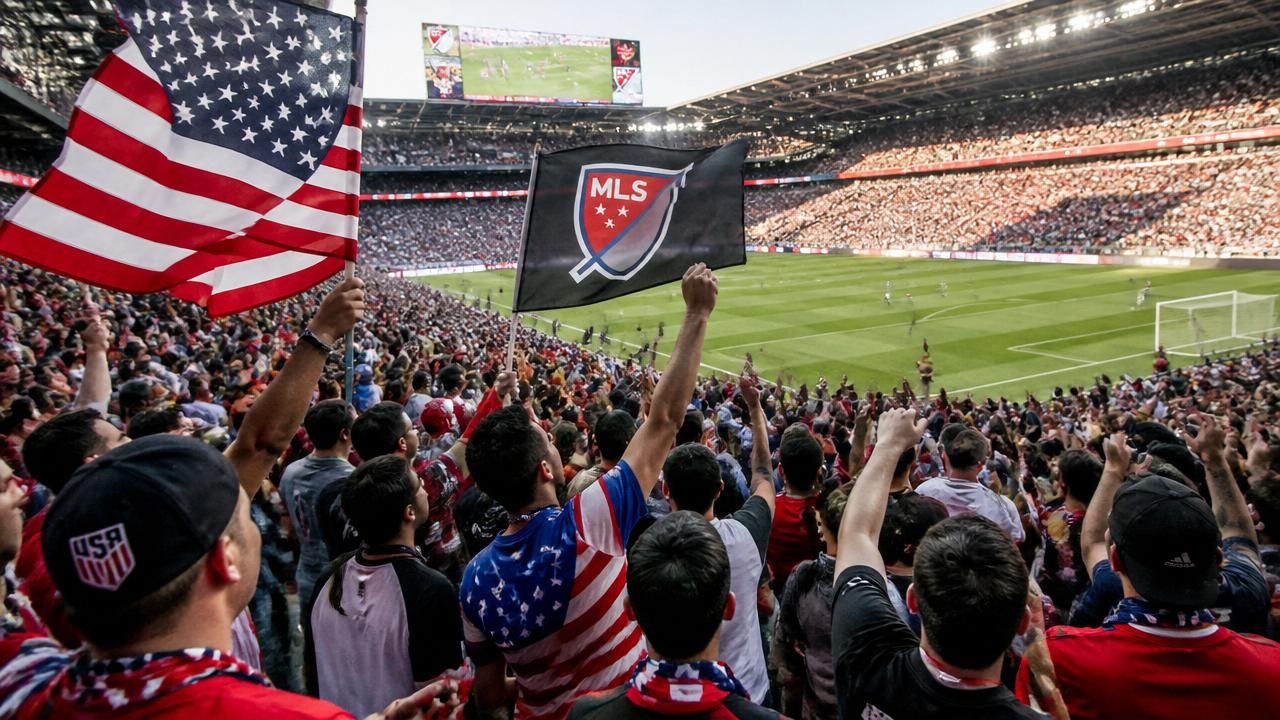
The Hollywood Reporter details MLS's star-studded ad campaign, "We'll Take It From Here," which aims to capitalize on World Cup fever by positioning the league as the natural destination for fans once the international tournament ends. The campaign features prominent players and leverages emotional storytelling to bridge the gap between global spectacle and local fandom. Meanwhile, St. Louis CITY SC has launched a "Summer of Soccer" event series in partnership with Purina, hosting watch parties and community activities to keep engagement high. Similar grassroots efforts are underway across the country: in Oklahoma City, watch parties unite diverse crowds, as reported by The Oklahoman, where one fan declared, "The beautiful game is for everyone." Detroit's Campus Martius also saw large gatherings for the USMNT's opening match against Paraguay, showcasing the sport's growing grassroots appeal.
The Business of Fandom: Data, Betting, and Gen Z
MLS is also investing heavily in technology and partnerships to deepen fan engagement. The league recently brought Sportec Solutions to North America to redefine the fan experience with advanced soccer data, as announced on MLSSoccer.com. A landmark $270 million betting data deal with IMG Arena, reported by Sportico, signals a push to integrate sports betting into the viewing experience—a key revenue stream and engagement tool. Additionally, the renewal of MLS's partnership with TikTok, highlighted by That Eric Alper, underscores the league's focus on reaching Gen Z through short-form video content. Sportico's data shows that MLS is already the most popular soccer league among American Gen Z fans, outpacing the Premier League and Liga MX. This demographic shift is critical: younger fans are more likely to embrace domestic soccer, especially as second-generation fans—children of the 1994 boom—now attend matches with their own families, a trend noted by MLS Multiplex.
Youth Development and Global Ambitions
The league's commitment to youth development is exemplified by the Generation adidas Cup, which in 2023 featured a record 49 clubs from 12 countries, per the Philadelphia Union. This tournament not only nurtures homegrown talent but also attracts international scouting attention, raising MLS's global profile. FC Dallas's "Soccer Week" events provide another platform for fans to engage with the sport ahead of the World Cup, blending local club pride with international excitement.
Expert Perspectives and Challenges
Columbia Business School's analysis frames the 2026 World Cup as a "market test" for U.S. soccer, questioning whether MLS can sustain momentum once the tournament ends. US Soccer's chief, speaking to talkSPORT, boldly claimed that soccer is now the No. 2 sport in America—a assertion supported by rising participation and viewership, but one that faces stiff competition from the NFL, NBA, and MLB. The league must also navigate challenges like balancing star power with league parity, and ensuring that the influx of casual fans translates into long-term season ticket holders. As Brooklyn FC's history of soccer in America notes, the sport has weathered false dawns before; the key for MLS will be to embed itself in local communities and media habits.
Looking Ahead
With the World Cup final days away, MLS is pulling out all the stops. From Messi's magic to TikTok trends, from data analytics to neighborhood watch parties, the league is weaving itself into the fabric of American sports culture. Whether this moment becomes a lasting legacy or a fleeting spike depends on how well MLS can convert World Cup tourists into lifelong supporters. If the energy in Detroit, Oklahoma City, and St. Louis is any indication, the beautiful game's future in America has never looked brighter.