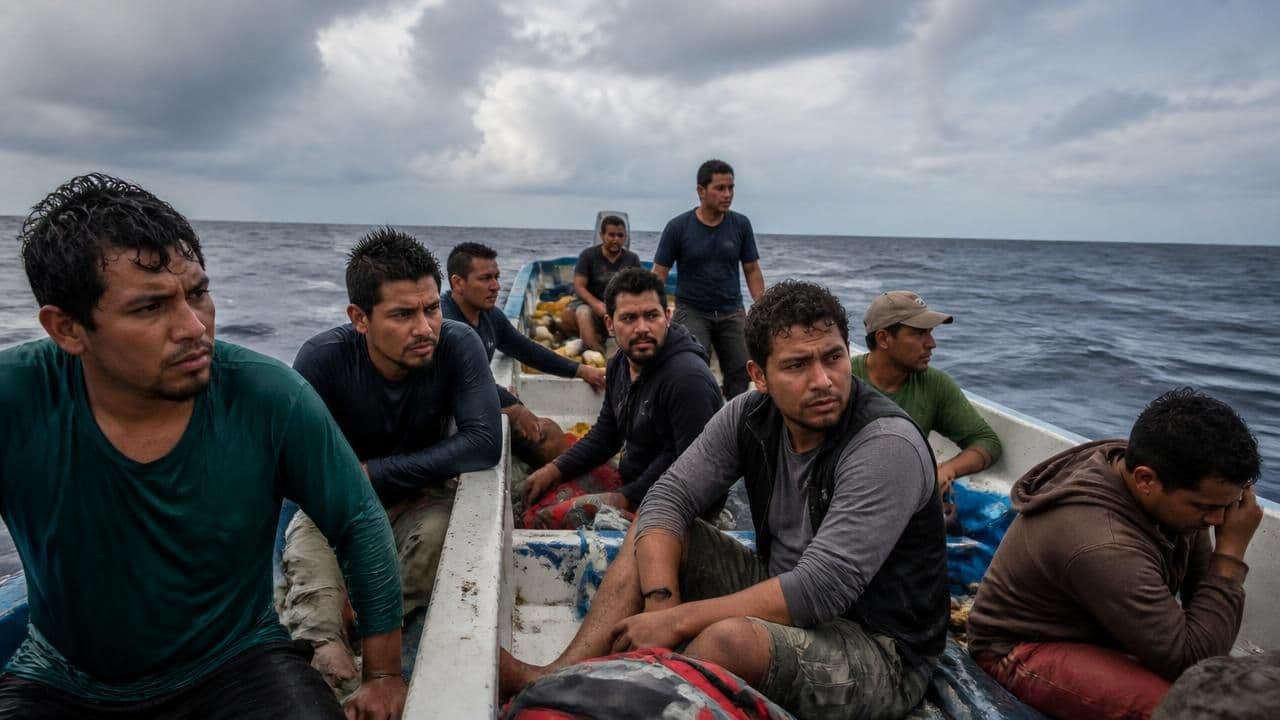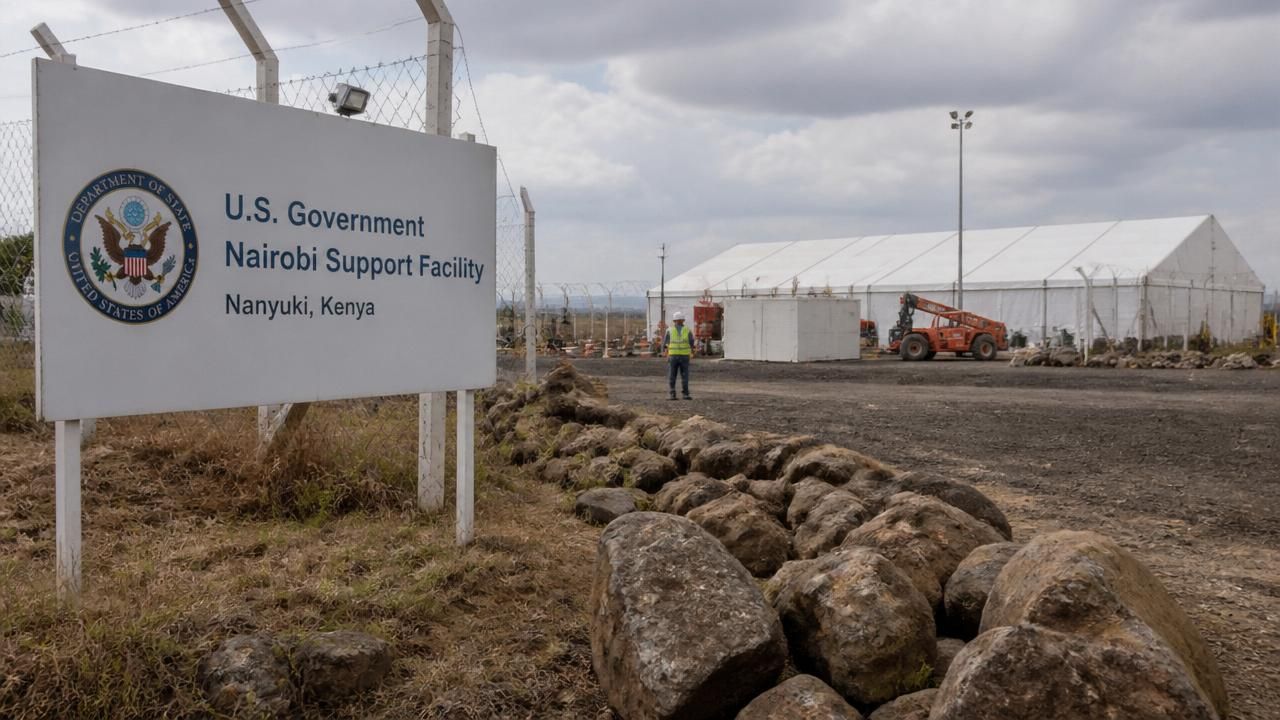
Seven American aid workers who were deployed to the Democratic Republic of Congo to fight the Ebola outbreak have become the first known individuals to quarantine at a new, controversial U.S.-backed isolation facility in Kenya, following the Trump administration's imposition of travel restrictions barring them from returning directly to the United States. The development has ignited a fierce legal and political battle in Kenya, where a court has ordered a halt to the facility's operations amid widespread public opposition.
Who, What, Where, When
The seven Americans are employees of an unnamed U.S. charity, according to Reuters, which broke the story exclusively. They arrived at the facility located at Nanyuki Airbase in Laikipia County, Kenya, on an undisclosed date in late 2019. The facility, built by the U.S. government, is designed to quarantine health workers who may have been exposed to Ebola while serving in the Democratic Republic of Congo (DRC), which is grappling with the second-largest Ebola outbreak in history.
The quarantine follows a directive from the Trump administration that bars Americans who have been in the DRC from returning to the U.S. for 21 days—the incubation period of Ebola—unless they agree to quarantine at a designated facility. The U.S. government has not officially confirmed the presence of the seven aid workers at the Kenyan facility, but satellite imagery reviewed by Reuters shows construction activity at the site.
Controversy and Legal Challenges
The facility has been at the center of a storm of protest in Kenya. Local residents, politicians, and civil society groups have expressed fears that bringing potentially Ebola-exposed individuals into the country could endanger public health. These concerns have been amplified by a lack of transparency from both the U.S. and Kenyan governments regarding the facility's purpose and safety protocols.
Kenyan lawmaker Paul Muite has demanded answers, questioning the legality of the facility and the circumstances under which it was established. A Kenyan court has ordered the suspension of all activities at the center, but reports indicate that construction has continued regardless, with U.S. officials citing diplomatic immunity. The Kenyan health minister was found in contempt of court for allegedly defying the order, further escalating tensions.
“The court order is clear. We want to know why it is being ignored,” said Muite in a statement reported by local media.
In response, the Kenyan government has been accused of complicity. The U.S. embassy in Nairobi has maintained that the facility is strictly for quarantine purposes and poses no risk to the local population, but critics remain unconvinced.
Different Perspectives from the Sources
The coverage of this story varies significantly across outlets. The Guardian and Reuters frame the issue as a humanitarian necessity, emphasizing the dedication of aid workers and the need to prevent the spread of Ebola to the U.S. The New York Times highlights the diplomatic friction, noting that the facility was built without full consultation with Kenyan authorities.
Kenyan media, such as Kenyans.co.ke and Tuko.co.ke, focus on the local backlash, the court case, and the perceived violation of Kenya's sovereignty. CNN and Ars Technica provide a broader geopolitical context, discussing the Trump administration's travel ban and its implications for global health security.
The Arabic-language outlet Arab News, meanwhile, covers an unrelated cybersecurity incident, but its inclusion in the source list underscores the diverse angles from which this story is being reported internationally.
Historical and Scientific Context
Ebola is a highly contagious virus with a fatality rate that can exceed 50%. The current outbreak in the DRC, which began in August 2018, has infected over 3,000 people and killed more than 2,000, making it the second deadliest on record. The World Health Organization has declared it a Public Health Emergency of International Concern.
Quarantine facilities are standard practice for managing disease outbreaks, but the location of this one in Kenya—a country that has not reported any Ebola cases—has raised eyebrows. The U.S. argues that it is safer to quarantine potentially exposed individuals in a controlled environment in Africa rather than risk them traveling through international airports. Critics counter that the facility should have been built in the DRC itself, closer to the outbreak zone.
Implications and Expert Views
Health experts are divided. Dr. Anthony Fauci, director of the National Institute of Allergy and Infectious Diseases, has supported the quarantine measures as prudent. However, some epidemiologists argue that the risk of transmission from asymptomatic individuals is extremely low, and that the travel ban may be an overreaction that could discourage health workers from volunteering.
Politically, the incident has strained U.S.-Kenya relations. Kenya is a key ally in the fight against terrorism in East Africa, but this episode has fueled anti-American sentiment among some segments of the population. The Kenyan government is walking a tightrope, trying to balance its partnership with the U.S. against domestic pressures.
For the seven aid workers, the situation is deeply personal. They volunteered to help contain a deadly disease and now find themselves in legal limbo, unable to return home and caught in a diplomatic dispute. Their identities have not been released, but their employer has confirmed they are all in good health and showing no symptoms of Ebola.
What Happens Next?
The legal battle continues. The Kenyan court is expected to rule on the matter in the coming weeks, potentially ordering the facility's closure. Meanwhile, the U.S. government shows no signs of backing down. The World Health Organization and other international bodies are watching closely, as the outcome could set a precedent for how future outbreaks are managed across borders.
In the shadow of this controversy, the fight against Ebola in the DRC goes on. Health workers on the frontlines continue to risk their lives, and the global community must find ways to support them without creating new crises.