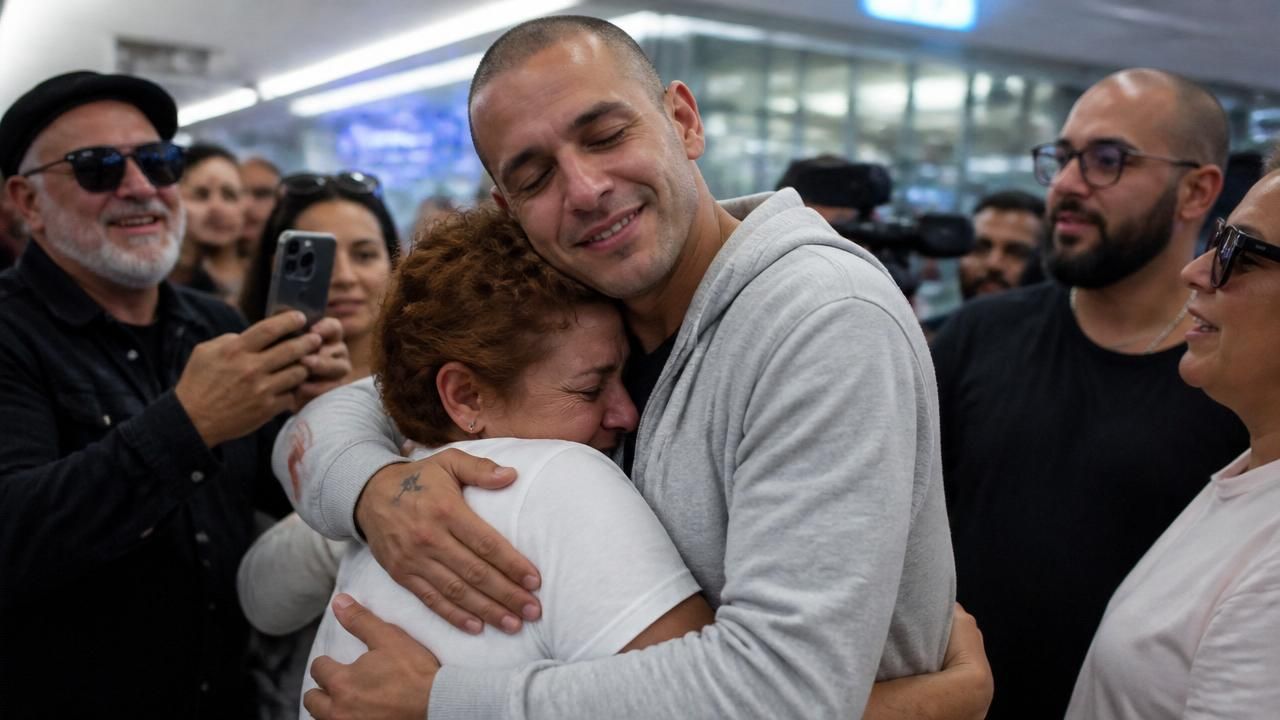
Luis Manuel Otero Alcántara, a renowned Cuban dissident artist and musician, arrived in Miami on Saturday after being released from a five-year prison sentence on the condition that he leave Cuba. His arrival marks the end of a long ordeal that drew international attention to the repression of artistic expression in Cuba.
Otero Alcántara, 45, was met by family and supporters at Miami International Airport. He had been imprisoned since 2019 on charges of “contempt” and “resistance” after leading a protest against the Cuban government's crackdown on artists. His case became a symbol of the struggle for free speech in Cuba, with human rights groups and foreign governments calling for his release.
Background and Imprisonment
Otero Alcántara is the founder of the San Isidro Movement, a collective of artists and activists that emerged in 2018 to protest censorship and police brutality. In 2019, he was arrested during a protest and subsequently sentenced to five years in prison. His detention was widely condemned by organizations such as Amnesty International and the United Nations, which deemed him a prisoner of conscience.
During his incarceration, Otero Alcántara engaged in hunger strikes and other acts of defiance, further amplifying his cause. His wife, Claudia, and their young son have been living in exile in the United States since 2020, and he now joins them in Miami.
Release and Exile
The Cuban government released Otero Alcántara on Friday, granting him a passport and requiring him to leave the country as a condition of his freedom. He flew to Miami via commercial airline, accompanied by Spanish diplomats who had facilitated his departure. The Spanish government, which has a consular presence in Havana, played a key role in negotiating his release.
In a statement upon arrival, Otero Alcántara expressed gratitude to his supporters and vowed to continue his activism from abroad. “I am free, but my country is not,” he said. “I will not stop fighting until all political prisoners are released and Cubans can speak without fear.”
Reactions and Perspectives
The news of his arrival was met with relief and celebration among exile communities in Miami. The Cuban American National Foundation hailed his release as a victory for human rights. However, some analysts caution that his exile removes a vocal critic from the island, allowing the Cuban government to silence dissent without the optics of a prison sentence.
International media outlets have covered the story extensively. The New York Times framed the release as a rare concession by the Cuban government under diplomatic pressure, while Bloomberg noted the timing coincides with ongoing negotiations between the U.S. and Cuba over migration and sanctions. CBS Miami highlighted the emotional reunion with his family, and NBC News emphasized the broader context of repression under the Castro regime.
The Biden administration has not officially commented, but a State Department spokesperson said, “We welcome the release of Luis Manuel Otero Alcántara and continue to call on Cuba to release all unjustly detained individuals.”
Implications for Cuban Dissidents
Otero Alcántara’s exile is a mixed signal for other dissidents in Cuba. On one hand, it shows that international pressure can lead to freedom. On the other, it reinforces the government's strategy of forcing critics out of the country rather than allowing them to operate freely. Human rights groups estimate that there are still over 100 political prisoners in Cuba.
Experts note that the Cuban government often uses exile as a safety valve, releasing high-profile prisoners to ease international criticism while maintaining control. “This is a calculated move by Havana,” said Dr. María López, a Cuba scholar at the University of Miami. “They get to appear lenient while removing a persistent troublemaker.”
For Otero Alcántara, the future remains uncertain. He has said he plans to continue his art and activism in Miami, a city that has long been a hub for Cuban exiles. Whether he can maintain the same influence from abroad remains to be seen, but his story has already inspired many.
As he steps onto American soil, his journey from prison to freedom underscores the enduring power of art in the face of oppression.