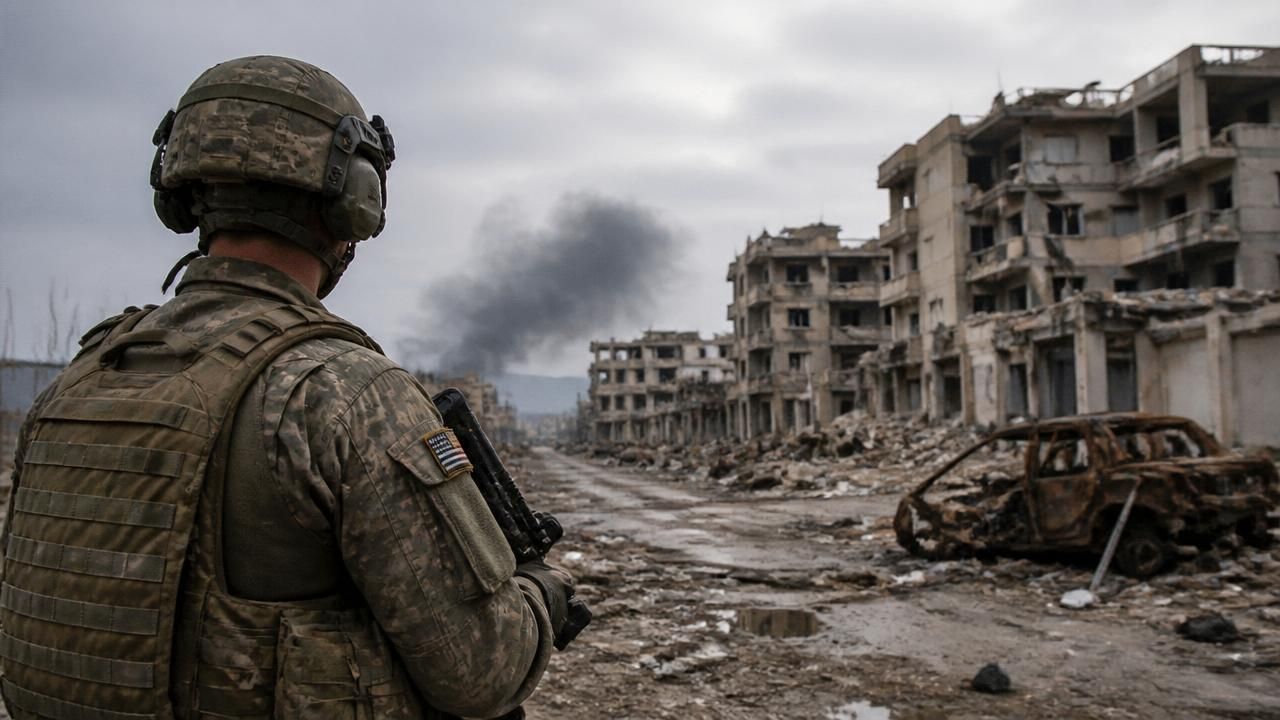
In recent decades, the United States and its allies have repeatedly entered conflicts with promises of swift, decisive victories—only to find themselves mired in protracted, costly wars with ambiguous outcomes. From Afghanistan and Iraq to the ongoing war in Ukraine and tensions with Iran, the pattern is unmistakable: winning wars has become harder than ever. A synthesis of reporting from multiple outlets reveals a complex tapestry of military, political, economic, and social factors that challenge traditional notions of victory.
The American Experience: Promises vs. Reality
U.S. presidents have long assured the public that military engagements would be short and successful. As NPR notes, "U.S. presidents have promised short, decisive wars in Afghanistan, Iraq and Iran. All have proved much more difficult than advertised." The war in Afghanistan, launched after the September 11 attacks, lasted two decades and ended with a chaotic withdrawal in 2021, leaving the Taliban back in power. Similarly, the 2003 invasion of Iraq toppled Saddam Hussein but spawned years of insurgency and sectarian violence.
Political scientist John Mearsheimer, in an interview with CGTN, expressed skepticism about American military efficacy: "Hard to imagine US winning the war in any meaningful way." His assessment reflects a growing consensus among experts that modern warfare is fundamentally different from the conventional battles of the past.
Ukraine: A Hard-Won Struggle
The war in Ukraine, now in its third year, epitomizes the difficulty of achieving clear victory. Both Ukraine and Russia have suffered heavy losses, with territorial gains measured in yards rather than miles. The New York Times reported in 2023 that "Russia Retakes Some Land Hard Won by Ukraine During Counteroffensive," highlighting the fragility of hard-won positions. In 2024, Ukraine lost a strategic foothold near the Dnipro River, a setback that underscores the war's grinding nature.
Bloomberg's analysis asks, "Why Russia-Ukraine War Is So Hard to Win, and How It Might End," pointing to factors like entrenched defenses, attrition warfare, and the role of external support. Vox echoes this, noting that Putin's unwillingness to compromise makes a negotiated settlement elusive. Meanwhile, Ukraine's counter-drone expertise, honed through necessity, has become a valuable asset—CNN observes that this "hard-won" knowledge could have a "silver lining" if applied to conflicts in the Middle East.
Iran and the Middle East: A Perpetual Challenge
The conflict with Iran, whether direct or through proxies, presents another case of elusive victory. BBC and Western Post both argue that "Israel's perpetual war with Iran may be hard to win with military might alone," emphasizing the need for diplomatic and economic strategies. The New York Times explores "Why China Won’t Lean Hard on Iran," suggesting that Beijing's economic interests limit its willingness to pressure Tehran. Meanwhile, the IMF warns that "Africa’s hard-won gains under pressure from Iran war," as conflicts disrupt trade and investment.
Bloomberg reports that "Nigeria’s Hard-Won Inflation Gains Threatened by War in Iran," illustrating how regional conflicts have global economic ripple effects. The war also threatens Qatar's reputation as a safe gas supplier, a status built over years but lost "in days" according to Bloomberg.
Economic and Social Dimensions
The economic toll of modern wars extends beyond direct military spending. BusinessDay Nigeria quotes Central Bank Governor Cardoso: "Middle East war threatens to erase hard-won inflation gains." Similarly, Bloomberg notes that "China’s DeepSeek Shows Why Trump’s Trade War Will Be Hard to Win," linking economic conflict to military strategy.
On a societal level, the war on drugs in the U.S. has proven as intractable as any military campaign. NBC News asks, "Why it's so hard to win war against US oxycodone epidemic," pointing to the resilience of illegal markets. In Africa, nomadic lifestyles make public health efforts difficult: Hiiraan Online reports that "Nomadic life in Mandera makes war on measles hard to win." These examples show that the concept of "winning" is often ill-defined in complex, long-term struggles.
Historical Lessons and Future Outlook
The difficulty of winning wars is not new, but the post-Cold War era has seen a shift from conventional state-on-state conflicts to asymmetric warfare, insurgencies, and hybrid threats. The RUSI think tank emphasizes the importance of retaining "hard-won lessons" from Britain's Afghan war, warning against repeating past mistakes. The GlobeSec forum calls for "hard work" to support Ukraine, suggesting that victory requires sustained commitment beyond military means.
The Economist warns of "The dangerous delusion of modern warfare," arguing that policymakers often underestimate the complexity of achieving political objectives through force. This sentiment is echoed by the Wall Street Journal, which questions whether Trump's "war department" can win a war, and by The Guardian, which critiques Australian opposition leader Dutton's culture-war approach as lacking a clear plan for electoral victory.
Conclusion
Across the globe, from the battlefields of Ukraine to the economic frontlines of trade wars, the notion of a clear, decisive victory appears increasingly outdated. Modern conflicts are characterized by their longevity, high costs, and ambiguous outcomes. As the U.S. and its allies grapple with these realities, the hard-won lesson may be that winning—in any meaningful sense—requires not just military strength but also diplomatic skill, economic resilience, and a clear-eyed understanding of the limits of power.