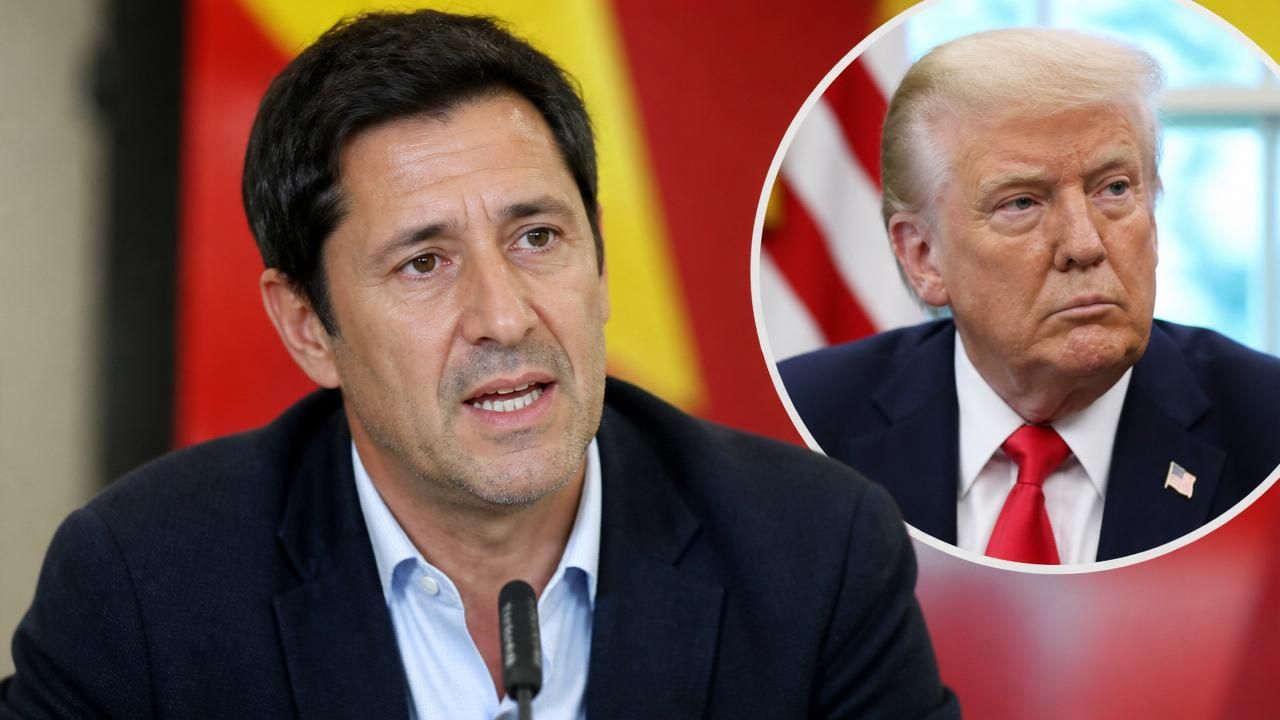
In an unprecedented plea that has captured global attention, former Spain international Joan Capdevila has appealed directly to US President Donald Trump after being denied a travel permit to enter the United States for Sunday's World Cup final. The 2010 World Cup winner, a key figure in Spain's golden era, expressed his frustration and hope in a public statement, urging the president to intervene.
The Appeal to the President
Capdevila, who played a pivotal role in Spain's 2010 World Cup victory in South Africa, was scheduled to travel to the US for the 2026 World Cup final. However, his travel permit was denied, prompting him to seek help from the highest office. In a statement reported by multiple outlets including BBC News and Reuters, Capdevila said: "I have been denied a travel permit to enter the United States. I appeal to President Donald Trump for help so that I can attend the World Cup final." The former left-back's plea has resonated widely, with many questioning the reasons behind the denial.
"I have been denied a travel permit to enter the United States. I appeal to President Donald Trump for help so that I can attend the World Cup final." — Joan Capdevila
Context and Background
Joan Capdevila, now 48, was an integral part of the Spain squad that won the 2010 FIFA World Cup, starting all seven matches and providing crucial assists. After retiring, he has remained involved in football as a pundit and ambassador. The 2026 World Cup, hosted jointly by the US, Canada, and Mexico, marks the first time the tournament will feature 48 teams, and Capdevila's planned attendance was as a guest of honor or media representative, according to sources.
The denial of his travel permit has raised eyebrows, especially given his high-profile status. While the exact reason for the denial has not been officially disclosed, speculation ranges from bureaucratic issues to potential complications under the Trump administration's travel policies. The situation has drawn comparisons to other athletes who have faced visa issues, highlighting the often unpredictable nature of US immigration procedures.
Differing Perspectives from Sources
The story has been covered extensively, with varying angles. BBC News focused on Capdevila's direct appeal to Trump, framing it as a desperate measure. Reuters emphasized the legal and bureaucratic hurdles, noting that Capdevila's case is not unique but his public plea is unusual. The Big Lead highlighted the irony of a World Cup winner being barred from the sport's biggest event, while msn.com and talksport.com echoed the sentiment, with talksport noting the denial despite the plea to Trump. Sekbernews.id reported the denial without the appeal, focusing on the travel restrictions.
Some sources, like BBC Sport, also covered related stories such as Prince William's tribute to England after their loss and the viral moments of the World Cup, but the core narrative remains Capdevila's plight. The diversity in coverage reflects the story's intersection of sports, politics, and international relations.
Historical and Political Context
The Trump administration has been known for its stringent immigration policies, including travel bans from certain countries and heightened scrutiny of visa applications. While Capdevila is a Spanish citizen and Spain is not subject to any travel ban, individual cases can still face delays or denials due to administrative errors or security concerns. This incident occurs amid broader debates about US immigration reform and the treatment of foreign visitors, especially high-profile figures.
Capdevila's appeal to Trump is a strategic move, leveraging the president's reputation for intervening in high-profile cases. Whether Trump will respond remains uncertain, but the public nature of the plea puts pressure on the administration to act.
Implications for the World Cup and Beyond
The denial of entry to a World Cup winner just before the final underscores potential challenges for the 2026 tournament, which will involve massive international travel. If a former champion can face such issues, concerns may arise for other athletes, officials, and fans. The incident also highlights the need for clearer visa processes for major sporting events, a point echoed by experts.
As of now, Capdevila's attendance remains in limbo. The football community has rallied behind him, with many calling for a swift resolution. The story serves as a reminder of the complexities of international travel in an era of heightened security and political tensions.
Conclusion
Joan Capdevila's appeal to President Trump is a dramatic twist in the lead-up to the World Cup final. It combines sports, politics, and human interest, capturing the imagination of fans worldwide. Whether the president will heed the call remains to be seen, but the incident has already sparked important conversations about immigration, bureaucracy, and the unifying power of sport. As the world watches the final, many will also be watching for a response from the White House.