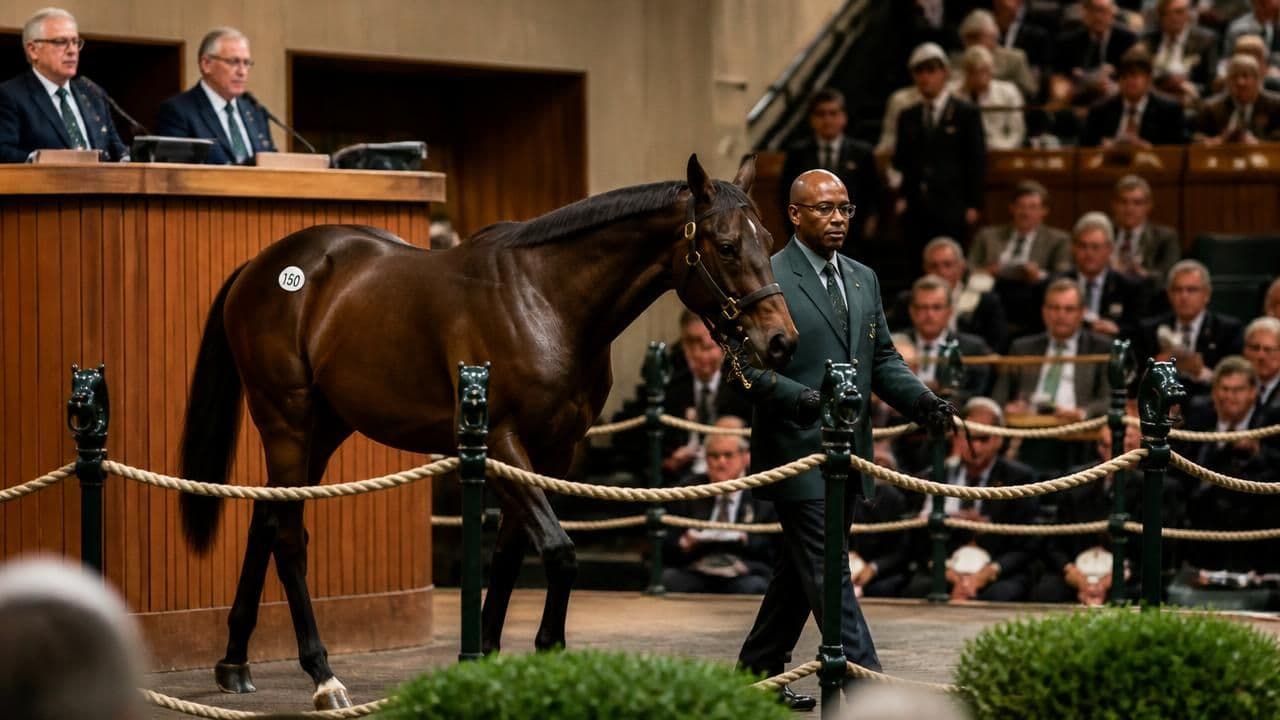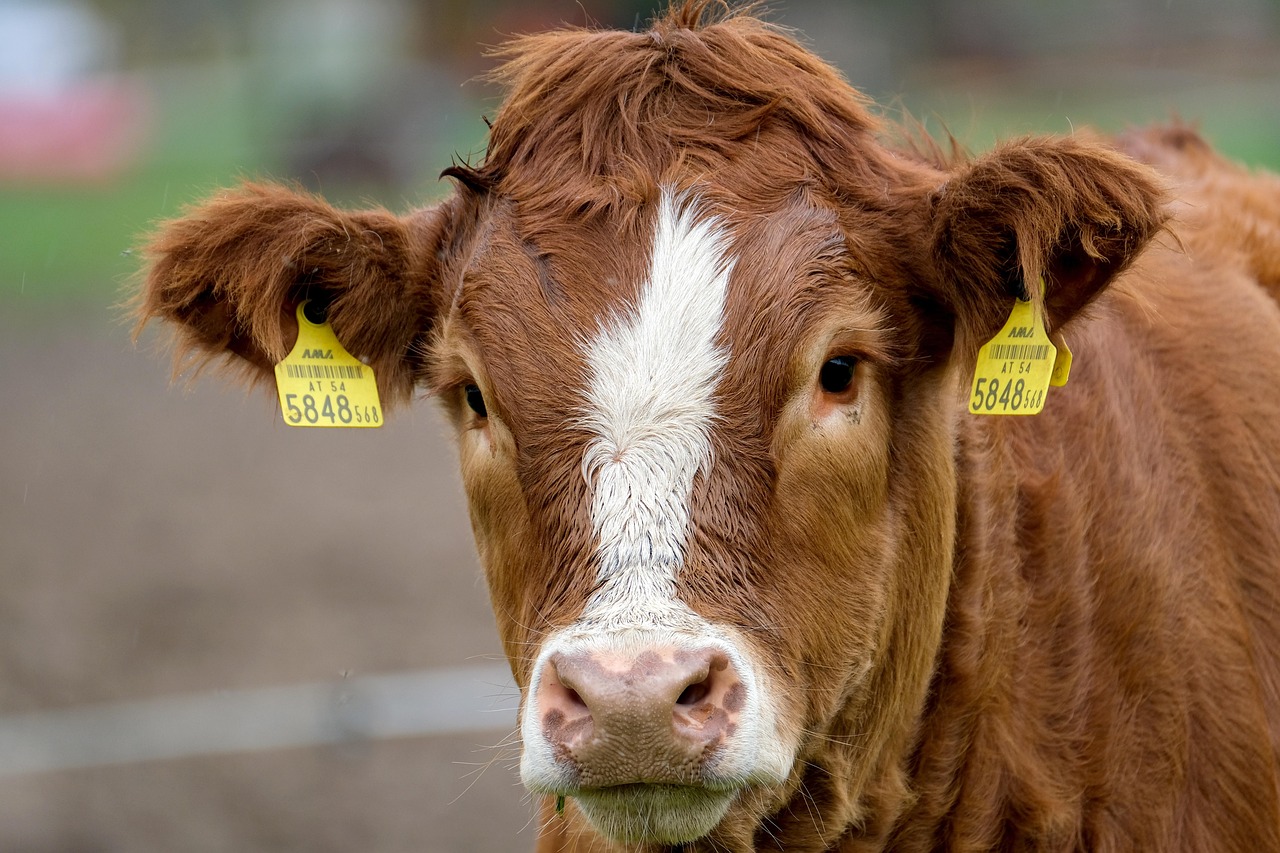
As the World Cup draws thousands of Argentine fans to Texas, a different kind of rivalry is heating up—one centered on beef. Both regions are renowned for their cattle-raising traditions and deep cultural ties to steak, sparking debates over who produces the most succulent meat and the proper way to prepare it.
A Clash of Steak Cultures
Texas and Argentina are two of the world's top cattle-producing areas, each with a distinct approach to beef. In Texas, the emphasis is on dry-aging, heavy marbling, and bold rubs or sauces, often cooked over mesquite or hickory. Argentina, meanwhile, prides itself on grass-fed beef, simple seasoning with salt, and slow grilling over open flames—a tradition known as asado.
“It's about who produces the best, most succulent steaks, and how to prepare the meat,” noted NPR, capturing the essence of the friendly but fierce competition.
The influx of Argentine visitors has turned local steakhouses and tailgates into arenas for culinary debate. Some Texans argue that their grain-fed beef yields more flavor, while Argentines counter that grass-fed beef is healthier and more authentic.
Historical Context
Both regions have a long history of cattle ranching. Texas, part of the American West, built its economy on ranches that supplied beef nationwide. Argentina's pampas grasslands have supported cattle since the 16th century, and asado is a national symbol. The rivalry has been stoked by previous competitions, such as the 2011 “Buenos Aires vs. Texas” steak-off, which ended in a tie.
Expert Perspectives
Chef John Rivera, a Texan pitmaster, says, “Our beef is richer because of the marbling from grain feeding. That’s where the flavor is.” But Argentine chef Maria Lopez counters: “True beef taste comes from the animal’s diet and the slow cooking process. Our asado is an art form.”
Data from the USDA shows that the U.S. produces about 12% of the world's beef, while Argentina accounts for roughly 5%. However, Argentina consumes more beef per capita than any other country—over 100 pounds annually.
Implications and Reactions
The beef debate has become a talking point among fans, with some local restaurants offering special Argentine-style preparations to cater to the visitors. Social media is buzzing with comparisons, and a few impromptu grilling competitions have sprung up in parking lots.
“It’s all in good fun,” said one Texas fan at a watch party. “But we know our steak is king.” An Argentine supporter retorted, “Wait until you try a real asado. You’ll never look back.”
The rivalry underscores how deeply food is tied to identity and pride. As the World Cup continues, the beef battle may be as memorable as the matches themselves.