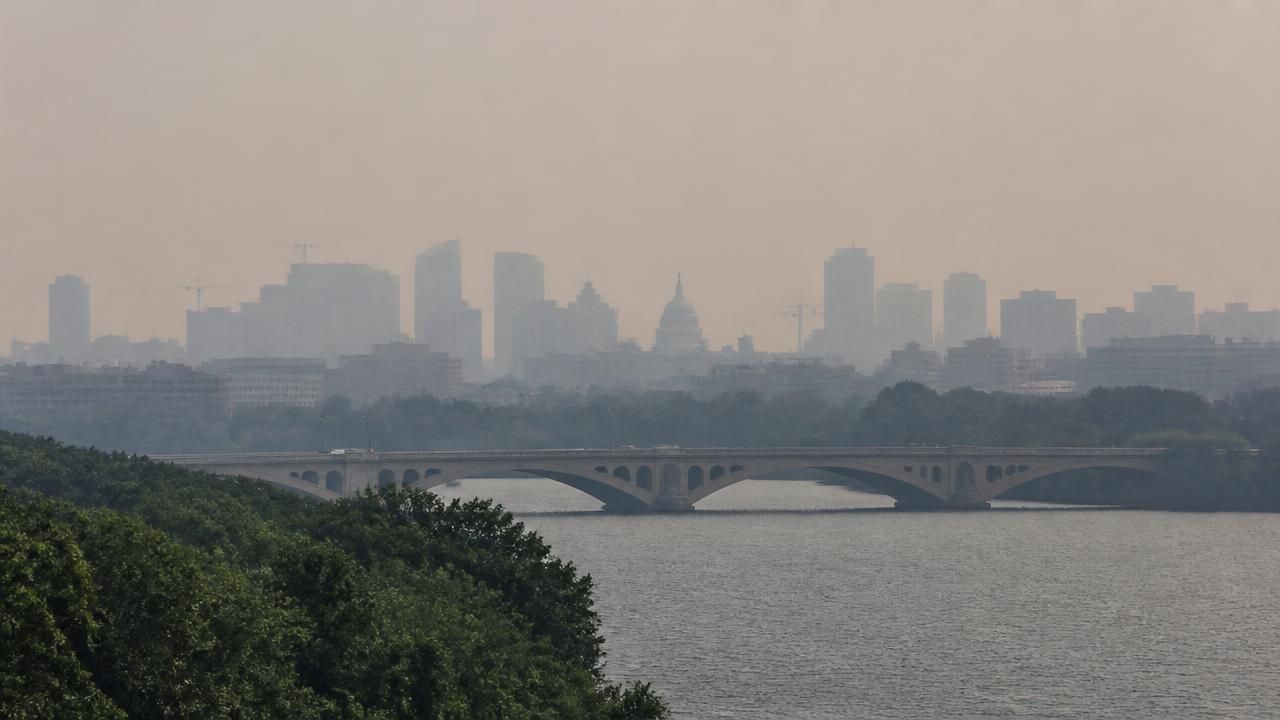
Wildfire smoke from Canada and Minnesota is drifting across North America, pushing air quality indexes to record levels and posing a serious health hazard for millions. From Maryland to California, residents are waking up to hazy skies and the acrid smell of burning forests. Experts warn that breathing this smoke is akin to smoking half a pack of cigarettes a day, making it crucial to take protective measures. In response, a wave of guidance from public health agencies, environmental groups, and news outlets is helping people understand how to keep indoor air clean—often with simple, low-cost solutions.
What's Happening and Where
Wildfires raging in Canada and Minnesota have generated plumes of smoke that are traveling hundreds of miles, affecting air quality across the northern United States and beyond. The Maryland Department of the Environment issued an unhealthy air quality alert for the state, while Minnesota's air quality index has reached hazardous levels. In Southern California, separate fires are fouling the air, prompting local advisories. The situation is expected to persist as fire season intensifies, with experts warning of ripe conditions for an intense season ahead.
Health Risks: More Than Just a Cough
Wildfire smoke contains fine particulate matter (PM2.5) that can penetrate deep into the lungs and enter the bloodstream. According to researchers at UC Davis Health, exposure can cause immediate symptoms like coughing, throat irritation, and shortness of breath, as well as longer-term risks to the heart and lungs. Wired magazine notes that smoke can damage virtually every organ, increasing the risk of heart attacks and strokes. The comparison to smoking half a pack a day underscores the severity: even short-term exposure can have significant health impacts, especially for children, the elderly, and those with preexisting conditions.
“Breathing wildfire smoke is like smoking half a pack of cigarettes a day,” said a health expert quoted in multiple sources. “It's that bad for your lungs.”
Protecting Your Indoor Air: The DIY Solution
With commercial air purifiers in high demand and often expensive, many are turning to a do-it-yourself alternative endorsed by the U.S. Environmental Protection Agency (EPA): the Corsi-Rosenthal box. This simple device consists of a box fan and a high-efficiency furnace filter (MERV-13 or higher) taped together to create a low-cost air cleaner. The EPA has published research showing that these DIY filters can effectively reduce particulate matter indoors. Popular Mechanics and Reviewed.com provide step-by-step guides, while the Los Angeles Times emphasizes that they are safe, simple, and inexpensive.
How to Make a DIY Air Purifier
- Materials: One 20-inch box fan, one 20x20x1-inch MERV-13 filter, duct tape, and a cardboard box (optional for better seal).
- Assembly: Tape the filter to the back of the fan so that air is pulled through the filter and blown out the front. Ensure all edges are sealed to prevent unfiltered air from bypassing the filter.
- Placement: Position the fan in a room where you spend the most time, away from walls and furniture to allow airflow.
- Maintenance: Replace the filter when it appears dirty or after three months of use. Run the fan continuously during smoke events.
The EPA's DIY air cleaner research confirms that these devices can reduce PM2.5 concentrations by up to 80% in a single room. The agency also notes that they are a more accessible option for communities with limited resources.
Commercial Air Purifiers: What to Look For
For those who prefer a ready-made solution, experts recommend air purifiers with true HEPA filters, which capture 99.97% of particles as small as 0.3 microns. CNN and USA Today have compiled lists of the best air purifiers for wildfire smoke, highlighting models from brands like Coway, Dyson, and Blueair. Key features to consider include clean air delivery rate (CADR), filter type, and room size coverage. The New York Times advises checking that the purifier is appropriately sized for the room and that replacement filters are readily available.
Beyond Air Purifiers: Additional Tips
In addition to using air cleaners, experts recommend several other measures to reduce smoke exposure indoors:
- Seal your home: Close windows and doors, and use weather stripping or tape to seal gaps. The EPA suggests using a damp towel under doors.
- Avoid indoor sources of pollution: Do not burn candles, use gas stoves, or vacuum (which can stir up particles).
- Create a clean room: Choose a single room to seal off and run your air purifier or DIY filter.
- Monitor air quality: Use apps or websites like AirNow.gov to check local AQI levels and plan activities accordingly.
- Wear masks outdoors: N95 or KN95 masks can filter out fine particles, but they must be worn properly. Cloth masks offer little protection against smoke.
Different Perspectives: How Outlets Frame the Story
News organizations are approaching the story from varied angles. NPR and local public radio stations like weaa.org focus on immediate health warnings and practical tips for residents. The Guardian and Wired take a broader view, exploring the science behind smoke damage and the limitations of masks. The Los Angeles Times and Star Tribune provide region-specific advice, while the EPA offers authoritative research on DIY filters. Some outlets, like The Tyee, emphasize community resilience and the “people's filter” movement, highlighting grassroots efforts to make clean air accessible. Meanwhile, reviews from Reviewed.com and Popular Mechanics help consumers navigate the marketplace. This diversity of coverage reflects the widespread impact of the smoke and the urgent need for actionable information.
Looking Ahead: A Smoky Future
Climate change is driving more frequent and intense wildfires, making smoke events a recurring threat. Experts from Wyoming Public Media and other sources warn that conditions are ripe for a severe fire season. As such, investing in air purification—whether DIY or commercial—is becoming an essential part of household preparedness. The EPA continues to research and promote low-cost solutions, and communities are banding together to share resources. In the face of a smoky present, the message from all sources is clear: protecting your indoor air is one of the most effective ways to safeguard your health.