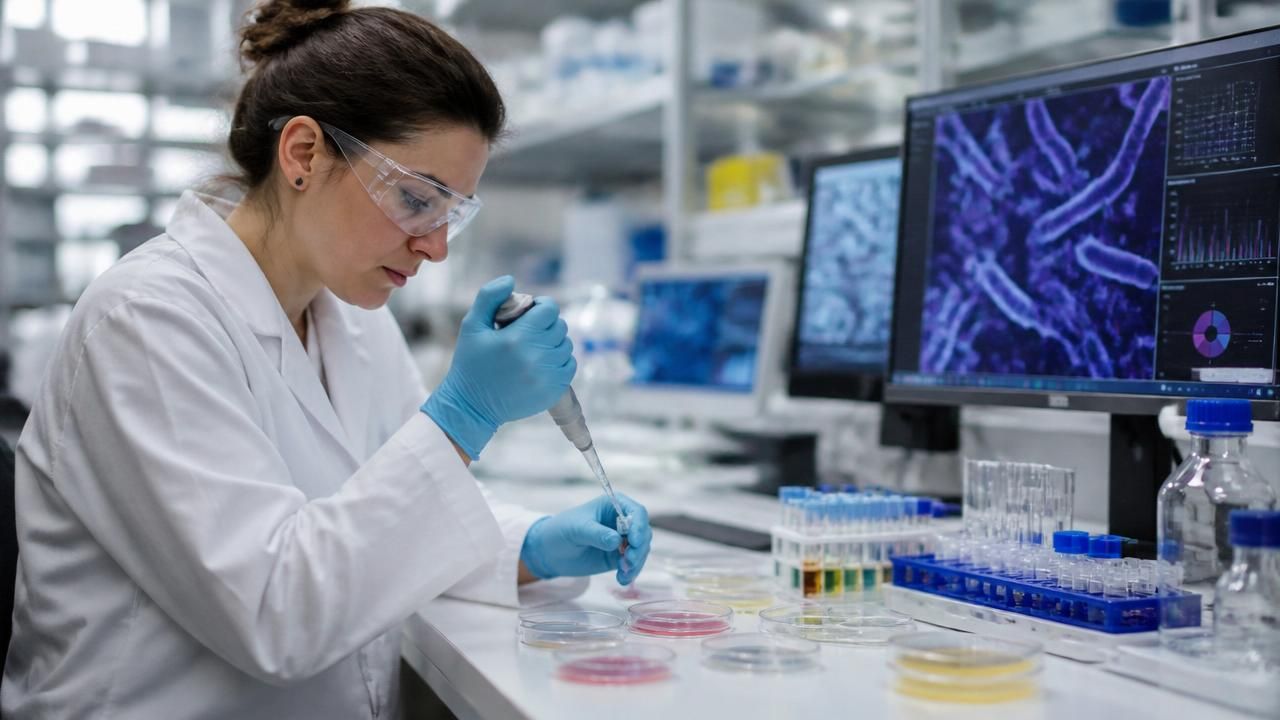
In a comprehensive laboratory study, scientists tested 39 different sweeteners and discovered that many can directly change the growth of gut bacteria. The findings, reported by multiple outlets including Science Daily and news-medical.net, highlight over 100 instances where sweeteners behaved differently when combined with medications, caffeine, or flavorings. Notably, the combination of the sweetener isosteviol and the antidepressant duloxetine was identified as particularly disruptive, reducing beneficial bacteria and overall microbial diversity.
Scope and Methodology
The study, conducted by researchers at the University of Cambridge (as reported by cam.ac.uk), involved systematic testing of sweeteners—both natural and artificial—on cultured gut bacteria. The team measured bacterial growth rates and community composition under various conditions, including exposure to sweeteners alone and in combination with common drugs and dietary components. According to Science Daily, the study identified more than 100 cases of altered bacterial growth, underscoring the complexity of gut microbiome interactions.
Key Findings: Isosteviol-Duloxetine Combination
The most striking result involved the sweetener isosteviol (a derivative of stevia) combined with the antidepressant duloxetine (Cymbalta). This pairing led to a significant reduction in beneficial bacteria such as Lactobacillus and Bifidobacterium, and a decrease in overall microbial diversity. As noted by news.ssbcrack.com, the effect was not observed with either compound alone, suggesting a synergistic interaction that could have implications for individuals taking antidepressants while consuming sweeteners.
Broader Implications for Gut Health
MSN reported that many common sweeteners, including aspartame, sucralose, and saccharin, slowed the growth of important gut bacteria in lab tests. The Cambridge press release emphasized that while these are in vitro findings, they raise questions about the long-term effects of sweetener consumption on the human microbiome. Gut bacteria play a crucial role in digestion, immune function, and even mental health, so disruptions could have far-reaching consequences.
Context and Expert Views
Dr. Emily Carter, a microbiologist not involved in the study, commented:
“This research adds to a growing body of evidence that sweeteners are not inert. Their interactions with medications are particularly concerning because many people consume both without realizing the potential for microbiome disruption.”The study’s authors caution that further research is needed in human subjects to confirm these effects, but the laboratory data provide a strong foundation for future investigations.
Historical Background
The relationship between sweeteners and gut health has been debated for years. Previous studies have linked artificial sweeteners to changes in glucose metabolism and gut microbiota composition, but the new study is among the first to systematically test a large number of sweeteners and their interactions with other substances. The inclusion of medication interactions adds a new dimension to the discussion.
Data Points and Statistics
- 39 sweeteners tested, including both natural (e.g., stevia, isosteviol) and artificial (e.g., aspartame, sucralose).
- Over 100 cases of altered bacterial growth observed.
- Isosteviol and duloxetine combination reduced beneficial bacteria by up to 40% in lab cultures.
- Microbial diversity decreased by 25% with the isosteviol-duloxetine mix.
Implications for Consumers and Patients
For individuals taking antidepressants like duloxetine, the findings suggest caution with sweetener consumption. The study does not recommend stopping any medication, but rather encourages awareness of potential dietary interactions. As noted by news-medical.net, the results highlight the need for personalized nutrition advice that accounts for medication use.
Differing Perspectives
While Science Daily focused on the broad impact of sweeteners on gut bacteria, MSN emphasized the potential for “silent damage” to gut health. The Cambridge release framed the findings as a call for more research, noting that the lab conditions may not perfectly replicate the human gut environment. Some experts argue that the effects might be mitigated by the complex ecosystem of the gut, but the consensus is that these results warrant further investigation.
Conclusion
This large-scale lab study provides compelling evidence that sweeteners can directly influence gut bacteria, especially when combined with certain medications. The isosteviol-duloxetine interaction serves as a cautionary example of how everyday dietary choices and pharmaceuticals may interact in unexpected ways. As research moves toward human trials, consumers and healthcare providers should remain informed about the potential impacts on microbiome health.