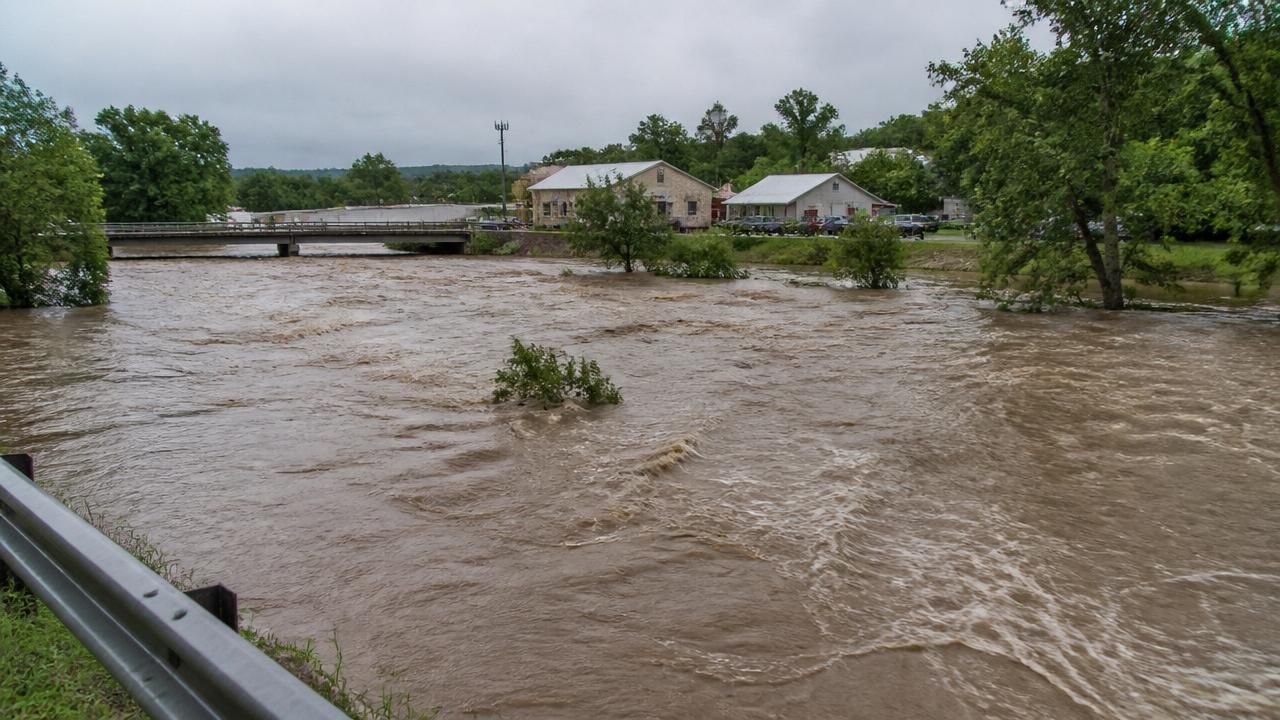
Flood sirens blared early Thursday in Comfort, Texas, as the Guadalupe River rose more than 30 feet in three hours, according to the U.S. Geological Survey. The rapid rise has turned deadly, with at least one fatality reported as flash floods sweep through the Texas Hill Country. The storm system threatens to bring even more rainfall than last year's catastrophic Fourth of July floods, officials warn.
What Happened: A Night of Rising Waters
In the early hours of Thursday, residents of Comfort and surrounding areas were jolted awake by sirens as the Guadalupe River swelled at an alarming rate. The U.S. Geological Survey reported the river rose more than 30 feet in just three hours, a pace that caught many off guard. Emergency services scrambled to evacuate low-lying areas, but the rapid flooding has already claimed one life, according to local authorities. Details of the victim have not been released pending family notification.
Context: A Year After Catastrophe
This week's flooding comes almost exactly one year after the deadly Fourth of July floods that devastated parts of the Hill Country. In 2023, record rainfall caused the Guadalupe and other rivers to overflow, resulting in multiple deaths and widespread property damage. In response, Texas expanded its warning siren system, adding new sirens in vulnerable communities like Comfort. However, as CBS Texas reports, many residents question whether the expanded system is sufficient to prevent tragedy.
"The sirens are a good start, but when the water rises that fast, you need more than a warning—you need a plan," said a Comfort resident who experienced both last year's and this year's floods.
How Different Outlets Frame the Story
NPR News emphasizes the scientific data, noting the river's unprecedented 30-foot rise in three hours and the potential for even more rainfall than last year. Yahoo News highlights the fatal outcome, with the headline "Flood Sirens Blare as Texas Hill Country Flooding Turns Fatal," though the article itself is limited due to request errors. MSN's coverage focuses on the ongoing threat, with updates on rising rivers and warnings of catastrophe. CBS Texas provides a forward-looking perspective, examining the adequacy of the expanded warning sirens and community preparedness.
Expert Analysis: The Science Behind the Surge
Meteorologists attribute the rapid flooding to a stalled weather system that has dumped heavy rain over the Hill Country's steep terrain. The Guadalupe River basin, with its narrow channels and rocky soil, is particularly prone to flash flooding. "When you get that much rain in a short time, the water has nowhere to go but into the rivers, and they rise fast," explained a National Weather Service hydrologist. The current storm system is expected to linger, with some models predicting up to 10 inches of additional rainfall in already saturated areas.
Historical Context: A Region Prone to Flash Floods
The Texas Hill Country has a long history of devastating floods. In 1998, the Guadalupe River flooded after heavy rains, causing millions in damage. More recently, the 2015 Memorial Day floods killed 13 people in the region. Each event has prompted improvements in warning systems and infrastructure, but the speed and intensity of these floods often outpace preparations. Last year's Fourth of July floods were a stark reminder of the region's vulnerability, and this week's event underscores the ongoing risk.
Implications: What This Means for the Future
The current flooding raises questions about climate change and its role in extreme weather events. Scientists note that a warmer atmosphere holds more moisture, leading to heavier rainfall and more frequent flash floods. For Texas, this means that even with expanded warning systems, communities may face increasing threats. The state's emergency management agency has urged residents to have evacuation plans and to heed warnings immediately.
Community Response and Resilience
In Comfort and other affected areas, residents are banding together to help neighbors evacuate and sandbag homes. Local shelters have opened, and volunteers are distributing sandbags and supplies. The Red Cross has set up emergency stations. Despite the tragedy, there is a sense of resilience. "We've been through this before, and we'll get through it again," said a volunteer. But the question remains: as storms intensify, will the region's infrastructure and warning systems be enough to save lives?
"Every flood teaches us something. The question is whether we learn fast enough," said a University of Texas disaster management researcher.
Conclusion: A Region on Edge
As the Guadalupe River continues to rise and more rain is forecast, Texas Hill Country remains on high alert. The loss of one life is a tragic reminder of the power of nature and the importance of preparedness. While expanded sirens offer some comfort, the events of the past two years suggest that more comprehensive measures—from better land-use planning to climate adaptation strategies—are needed. For now, residents are urged to stay informed, heed warnings, and prioritize safety above all else.