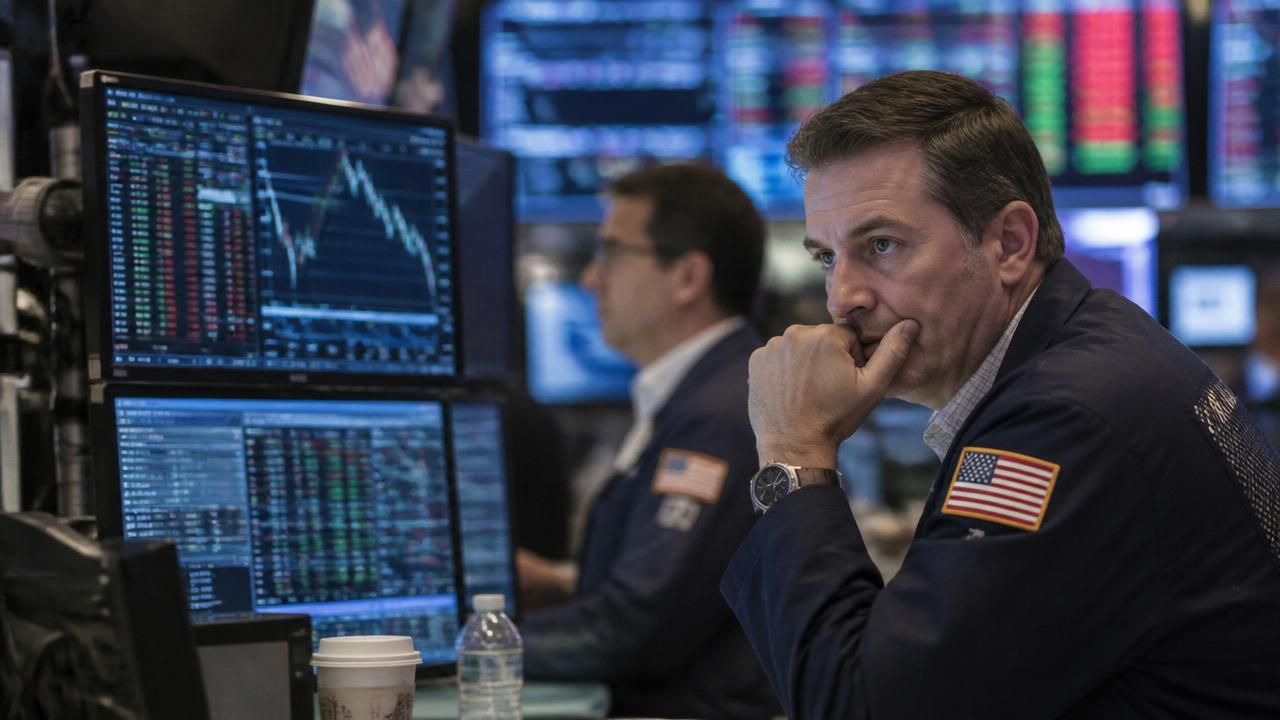
Global bond markets are experiencing a dramatic shift as traders unwind bets on Federal Reserve interest rate hikes following a series of softer inflation reports and dovish signals from policymakers. The pivot is reshaping trading strategies, corporate financing, and sovereign debt issuance from the US to Asia.
Inflation Data Sparks Sudden Reversal
The catalyst for the change was a cooler-than-expected US consumer price index (CPI) report, which sent Treasury yields tumbling and slashed the probability of a July rate hike to just 20%, according to Bloomberg data. Bond traders who had piled into positions betting on at least one rate hike this year scrambled to exit, as reported by Bloomberg Markets. The bullish tone extended across the curve, with the 30-year bond auction set to draw its highest yield in two decades—a sign of both strong demand and elevated long-term rate expectations.
“The market is finally acknowledging that the Fed’s tightening cycle is over,” said a strategist at a major bank, speaking on condition of anonymity. “The data is moving in the right direction.”
Dovish Fed Picks and a ‘Third Mandate’
Adding to the dovish tilt, traders are now focusing on potential candidates for the next Fed vice chair, with Rick Rieder emerging as a favorite. Rieder, known for his market-friendly views, would signal a shift toward a more accommodative stance. Meanwhile, a Bloomberg article on the Fed’s “third mandate” noted that bond traders are rethinking age-old rules as the central bank increasingly weighs financial stability and climate risks alongside inflation and employment.
“The Fed is no longer just about dual mandate. Its new priorities are forcing traders to adapt to a world where policy is less predictable,” wrote Bloomberg’s markets team.
However, not all signals are dovish. Some traders continue to bet on a rate hike in 2026, according to Financial Advisor Magazine, and geopolitical tensions—such as the war in Ukraine—have caused temporary flips to bearish Treasury positions, as traders unwind hedges.
Corporate and Sovereign Bond Issuance Surges
Despite the volatility, bond issuance is booming. Stonepeak Infrastructure Partners raised $2.5 billion in private bonds tied to a liquefied natural gas (LNG) plant, while CVC Capital Partners plans €1.2 billion of high-yield bonds to fund its buyout of Italian food group Irca. In Asia, Tencent aims to raise $3 billion through a dual-currency dollar and yuan bond offering, and Indonesia’s Danantara wealth fund priced its first dollar bond for global investors despite a broader market rout.
India also saw bond inflows hit a one-year high after the central bank took steps to support the rupee, attracting foreign investors seeking higher yields. Connecticut towns face water-fee hikes as bonds finance a utility buyout, illustrating how local governments are tapping the market for infrastructure needs.
Credit Spreads Tighten, Hedge Funds Thrive
Global credit spreads have tightened to their lowest since 2022, as buyers rush into corporate debt. A thriving hedge fund trade—betting on the widening of swap spreads—has received a boost from soaring swap spreads, reflecting strong demand for interest rate swaps relative to Treasuries. The unwind of rate-hike bets has also boosted gold and silver prices, with Comex gains driven by softer US jobs data and dovish remarks from Fed officials.
Lessons from SVB’s Collapse
The current bond market dynamics echo the cautionary tale of Silicon Valley Bank, whose 44-hour collapse was rooted in massive Treasury bets during the pandemic. As yields rise and fall, the risks of duration mismatches remain a concern for banks and fund managers.
Outlook
Looking ahead, traders will parse upcoming inflation data and Fed testimony for further clues. The prevailing view is that the Fed is done hiking, but the path to cuts remains uncertain. With geopolitical risks, a potential recession, and a new Fed framework, bond markets are likely to remain volatile—offering both opportunities and pitfalls for investors worldwide.