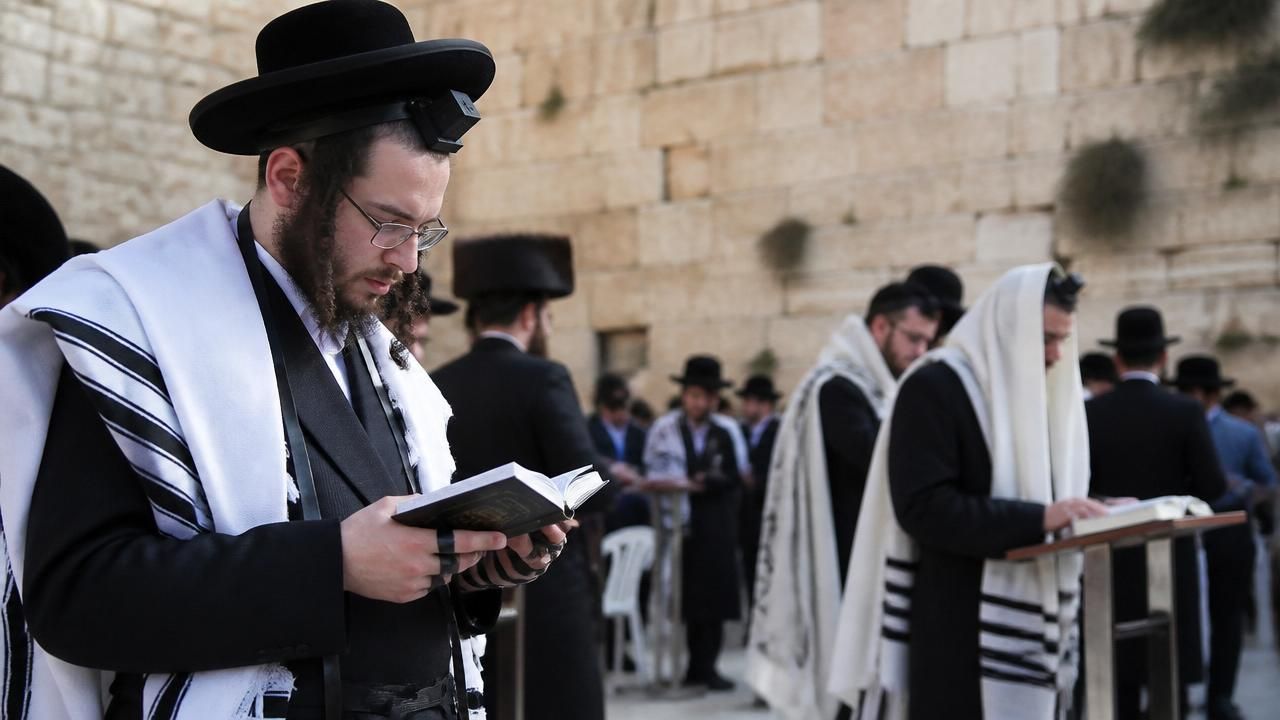
A contentious debate over daylight saving time has taken an unexpected turn, pitting Orthodox Jewish communities against a bipartisan push to make daylight saving time permanent. The proposed legislation, which passed the House earlier this year and has backing from President Donald Trump, would eliminate the twice-yearly clock change and keep the nation on daylight saving time year-round. But for observant Jews, the bill threatens to disrupt a cornerstone of daily religious practice: morning prayers.
The Core Conflict: Prayer and the Clock
Orthodox Jewish organizations, including the Orthodox Union and Agudath Israel of America, argue that permanent daylight saving time would push sunrise later in the winter months, forcing morning prayer services—which must be recited after dawn—to start after 9 a.m. in many parts of the country. This, they say, would make it difficult for worshippers to get to work or school on time. "It would be a severe hardship for our community," said Rabbi Abba Cohen, vice president for government affairs at Agudath Israel, in a statement reported by NPR and other outlets. The concern is most acute in the Northeast and Midwest, where winter sunrises can occur as late as 8:30 a.m. under standard time, and even later under daylight saving time.
"Orthodox Jewish organizations say the bill, if passed, would force morning prayer services to start after 9 a.m. in some parts of the country, making observant Jews late for work and school." — NPR News
Legislative Stalemate
Despite strong support in the House—the Sunshine Protection Act passed with overwhelming bipartisan backing—the bill has stalled in the Senate. Reuters reported that there is "no consensus in Congress" on the issue, with some lawmakers citing health concerns and others, like the Orthodox community, raising religious liberty objections. The Forward noted that the bill's momentum has "stalled," easing worries among Orthodox Jews for now. However, the issue is far from dead; proponents, including Senator Marco Rubio (R-FL), have vowed to revive it.
Differing Perspectives
Coverage of the debate varies widely. Mainstream outlets like MSN and Reuters frame the story as a legislative logjam, while Jewish-focused publications emphasize the religious implications. The Washington Jewish Week and Jewish Exponent both highlighted the Orthodox community's lobbying efforts, while Ynetnews characterized the Trump-backed plan as "alarming" to Jews. The Forward ran multiple pieces, including one titled "Orthodox groups launch uphill battle against daylight saving time bill," underscoring the David-versus-Goliath nature of the fight.
Historical and Religious Context
The debate touches on deep-rooted Jewish law, or halakha, which dictates that certain prayers, including the morning Shema and Amidah, must be recited after dawn but before a specific time. The exact timing depends on the position of the sun, making the clock change a matter of religious observance. Historically, Orthodox communities have adapted to daylight saving time, but the shift to permanent DST would lock in late sunrises year-round, exacerbating the problem.
This is not the first time religious groups have clashed with timekeeping policies. In 2007, when the U.S. extended daylight saving time by several weeks, Orthodox groups successfully lobbied for exemptions in some areas. The current bill includes no such exemptions, raising fears of a legal challenge under the Religious Freedom Restoration Act.
Broader Implications
The daylight saving debate is just one of several issues where Jewish communities are engaging with federal policy. Other recent stories from the Jewish press include a lawsuit by Jewish parents against Louisiana's Ten Commandments law, a Senate vote on weapons sales to Israel, and the closure of Oklahoma's last rural synagogue. While these are separate issues, they reflect a broader pattern of Jewish advocacy on religious liberty and foreign policy.
For now, the fate of permanent daylight saving time remains uncertain. The bill's supporters argue it would boost economic activity and reduce car accidents, while opponents cite health risks and religious concerns. As the debate continues, Orthodox Jewish groups are mobilizing their members to contact lawmakers, hoping to persuade them that the price of a later sunrise is too high.
What's Next?
Congress is not expected to take up the bill again until after the November elections. In the meantime, the Orthodox community is preparing for a long fight. "We will not rest until our concerns are addressed," said Rabbi Cohen. Whether that means a compromise bill with exemptions or a complete abandonment of the permanent DST push remains to be seen. But one thing is clear: the clock is ticking, and for Orthodox Jews, every minute counts.