NASA's Dale Reed Subscale Flight Research Laboratory at Armstrong Flight Research Center in Edwards, California, is leveraging small remotely piloted and autonomous aircraft to accelerate aerospace innovation. By using subscale platforms, the lab enables cost-effective testing of new concepts, reducing risk and speeding up the transition to full-scale flight.
How Subscale Aircraft Drive Innovation
The lab employs a fleet of remotely piloted aircraft, including the Alta-X quadrotor, the Dryden Remotely Operated Integrated Drone (DROID) with a 10-foot wingspan, and the Multi-Use Cub, a 14-foot-span fixed-wing aircraft with expandable payload capacity. For electric vertical takeoff and landing (eVTOL) testing, the HQ-90 quadrotor is also available. These platforms allow researchers to test sensors, aerodynamics, and autonomous systems in realistic flight conditions without the expense of full-scale prototypes.
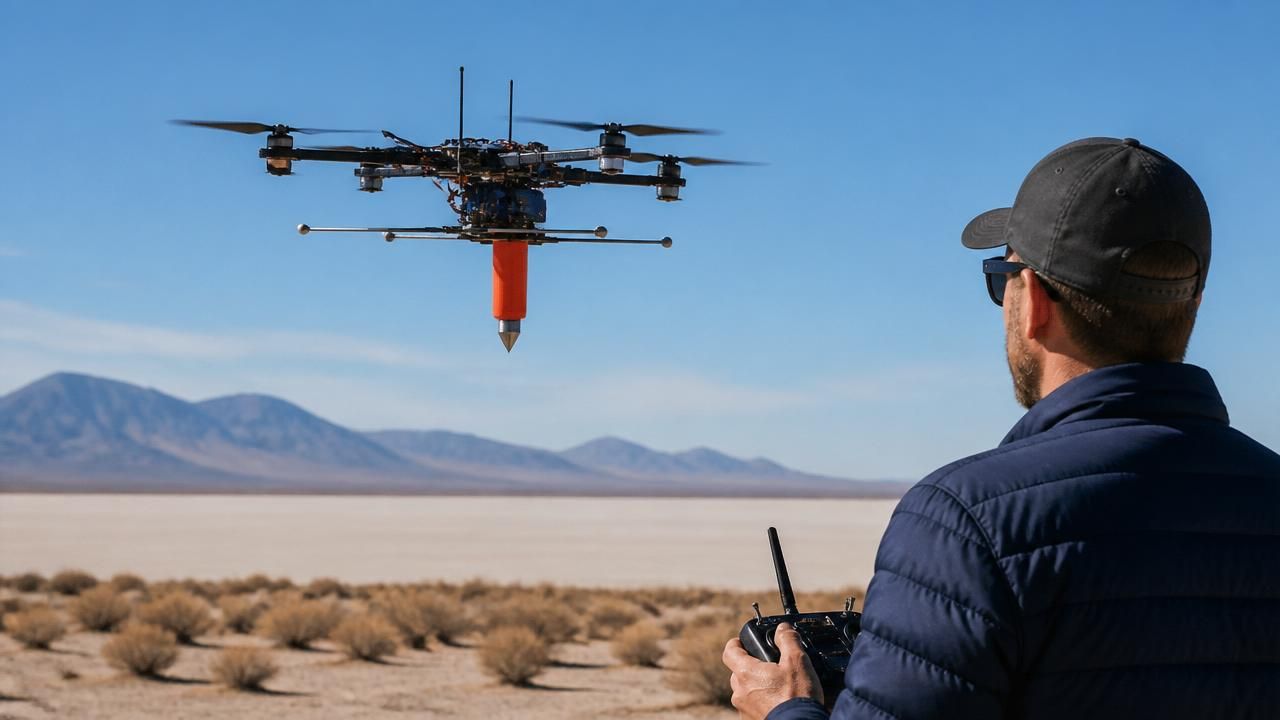
On October 22, 2024, a notable test involved an atmospheric probe model attached upside down to a quadrotor aircraft, which released the probe above Rogers Dry Lake near Armstrong. The probe, designed and built at the center, is part of ongoing efforts to mature technologies for planetary exploration and Earth science.
Georgia Tech’s New Prototyping Lab
Parallel to NASA’s efforts, Georgia Tech has opened a new Aircraft Prototyping Laboratory, as reported by the university’s news center. This facility aims to support rapid development and testing of innovative aircraft designs, fostering collaboration between academia and industry. While details are limited, the lab is expected to complement NASA’s subscale work by providing additional prototyping capabilities for emerging aerospace technologies.
75 Years of Armstrong Innovation
NASA Armstrong Flight Research Center itself is celebrating 75 years of innovation, as highlighted by Aerotech News. Established in 1946 as the Muroc Flight Test Unit, the center has been at the forefront of flight research, from the X-1 supersonic flights to the space shuttle and beyond. The Dale Reed Lab continues this legacy, named after the engineer who pioneered subscale research aircraft at NASA.
Broader Implications
Subscale flight testing is a proven method to reduce development time and cost for new aerospace systems. By using remotely piloted and autonomous aircraft, NASA can iterate rapidly on designs, gather data on performance and safety, and de-risk technologies before committing to full-scale development. This approach is particularly valuable for emerging fields like eVTOL air taxis, drones, and planetary probes.
Expert views suggest that such labs are essential for maintaining U.S. leadership in aerospace. Dr. Sarah Johnson, an aerospace engineer at MIT, notes: “Subscale testing allows us to fail fast and learn quickly, which is critical for innovation. NASA’s lab provides a unique capability that bridges the gap between computer simulations and full-scale flight.”
Key Platforms at the Dale Reed Lab
- Alta-X quadrotor: versatile multirotor for sensor and autonomy testing
- DROID: 10-foot wingspan fixed-wing drone for aerodynamic research
- Multi-Use Cub: 14-foot-span aircraft with expandable payload bay
- HQ-90 quadrotor: dedicated eVTOL testbed
These platforms support a wide range of experiments, from advanced flight controls to atmospheric science. The lab’s location at Armstrong, with its vast dry lakebed and restricted airspace, provides an ideal environment for safe, unencumbered testing.
Looking Ahead
As NASA continues to push the boundaries of flight, the Dale Reed Subscale Flight Research Laboratory will remain a key asset. With plans to integrate more autonomous capabilities and support for advanced air mobility, the lab is poised to shape the next generation of aircraft. Meanwhile, Georgia Tech’s new lab and Armstrong’s 75-year legacy underscore the enduring importance of hands-on flight research.
For more information, visit NASA Armstrong’s website or the Georgia Tech News Center.