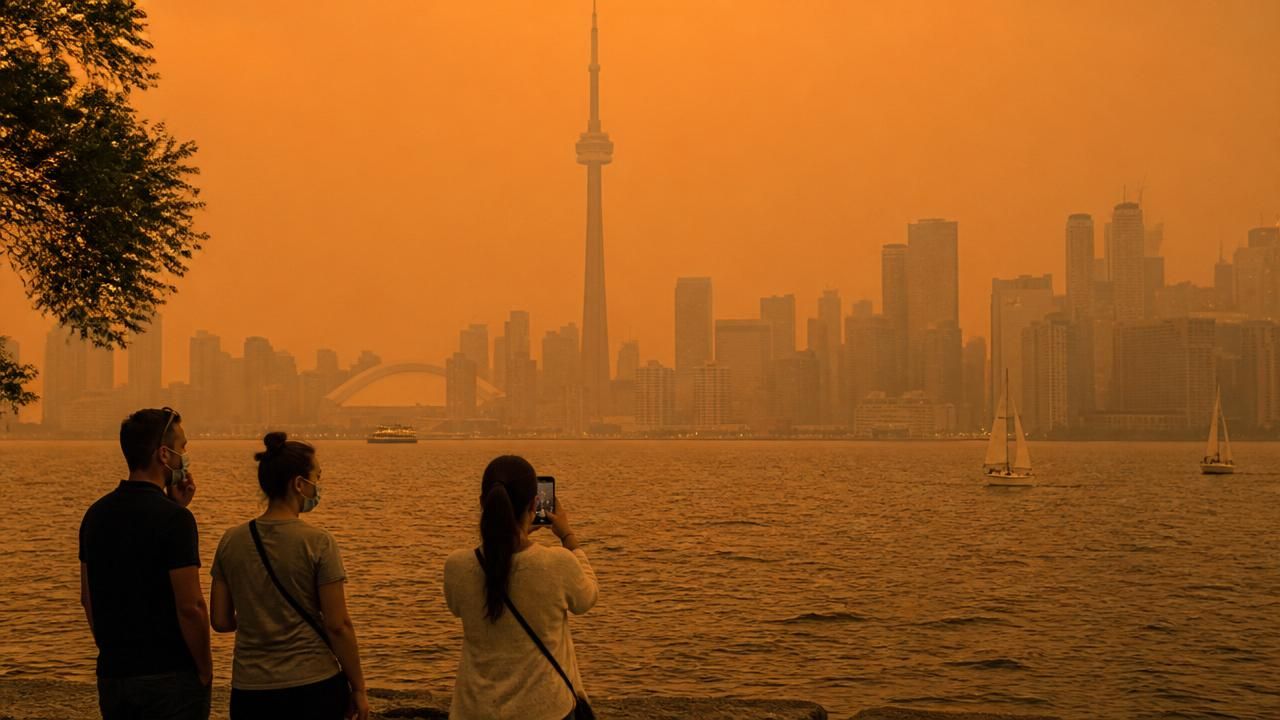
In mid-July 2026, a massive plume of smoke from wildfires in Ontario, Canada, drifted southeastward, blanketing much of the eastern United States and Canada in a thick haze that turned skies an eerie orange and raised air quality concerns across the region. Satellite imagery from NASA's Earth Observatory, captured by the VIIRS instrument on the NOAA-21 satellite on July 14, shows smoke pouring from nearly 850 active fires across Canada, with more than 180 burning in Ontario alone. The smoke, carried by winds, affected air quality from the Great Lakes to the Northeast, prompting health warnings and disrupting daily life.
The Scope of the Fires
According to the Canadian Interagency Forest Fire Centre, Canada's 2026 fire season started slowly but intensified by late June amid dry, warm conditions. By mid-July, the number of active fires approached the 25-year average. The Ontario fires were the primary source of the smoke, but fires in Quebec and Alberta also contributed. The Calgary Herald reported hot, dry conditions persisting in Alberta, while other sources noted that fires in Quebec were sending smoke into Ontario and beyond.
Smoke Spread and Air Quality Impacts
The smoke spread primarily southeast, affecting southern Ontario, Quebec, and large swaths of the U.S. Midwest and Northeast. In Toronto, the air quality became the worst in the world on July 14, according to The Guardian, with the city's skyline obscured by a thick orange haze. Environment Canada issued a warning that ended on July 15, but pollution levels remained high, as reported by CityNews Toronto. The New York Times noted that the smoke turned skies orange across the eastern U.S., with temperatures spiking simultaneously, exacerbating health risks.
Air quality alerts were issued across multiple states. In Michigan, the Detroit Free Press reported that smoke from the Ontario fires caused hazy conditions and prompted health advisories. The Cleveland Plain Dealer noted that Northeast Ohio saw haze return, with skies potentially becoming hazier. In New York, the USA Today Network reported that hazy skies were expected to last for several days, with alerts in the NYC area and upstate. New Jersey experienced both extreme heat and wildfire smoke, as reported by NJ.com, with thunderstorms also threatening. The Philadelphia region saw smoke shift in, as noted by PhillyBurbs.com, while LancasterOnline reported haze in Lancaster County. In Massachusetts, MassLive said the smoke was expected to end soon but offered guidance for the summer. Northern Minnesota received air quality alerts, according to MPR News, and Wisconsin saw smoke affect the Great Lakes region, as reported by the Green Bay Press-Gazette. Even Washington, D.C., was not spared, with USA Today reporting that smoke could reach the capital.
Health and Safety Concerns
The smoke posed significant health risks, particularly for vulnerable populations. The New York Times and other outlets emphasized that fine particulate matter (PM2.5) from wildfires can penetrate deep into the lungs, causing respiratory and cardiovascular issues. In Toronto, the air quality index reached hazardous levels, with some monitoring stations reporting readings above 500. The Guardian quoted experts urging residents to stay indoors, wear N95 masks if going outside, and avoid strenuous activity. In the U.S., similar advice was given, with the Detroit News and WKAR in Michigan noting that the combination of heat and smoke created a double health threat.
Differing Perspectives
Sources framed the story with varying emphases. Local news outlets, such as the Detroit News and NJ.com, focused on the immediate impacts on their communities, providing specific air quality maps and forecasts. National outlets like USA Today and the New York Times offered broader context, linking the smoke to climate change and the increasing frequency of extreme fire seasons. The Guardian highlighted Toronto's air quality ranking, while NASA's Earth Observatory provided the scientific satellite imagery. Some sources, like MSN and Yahoo News, aggregated information from multiple regions, offering a wider view of the smoke's trajectory.
Historical Context and Future Outlook
This event echoes the 2023 Canadian wildfire season, which also sent massive smoke plumes into the U.S. Climate scientists have warned that warmer, drier conditions due to climate change are lengthening fire seasons and increasing fire intensity. The Canadian Interagency Forest Fire Centre noted that while the 2026 season started slowly, it has since picked up, and more hot, dry weather is forecast. As of mid-July, over 850 fires were burning across Canada, and the smoke is expected to continue affecting air quality in the eastern U.S. and Canada for several more days, depending on wind patterns.
Conclusion
The Ontario wildfires of July 2026 have once again demonstrated the far-reaching impacts of Canada's fire seasons, turning skies orange, degrading air quality, and disrupting life for millions. With climate change driving more extreme fire behavior, such events may become more common, underscoring the need for adaptive measures and international cooperation on air quality management.