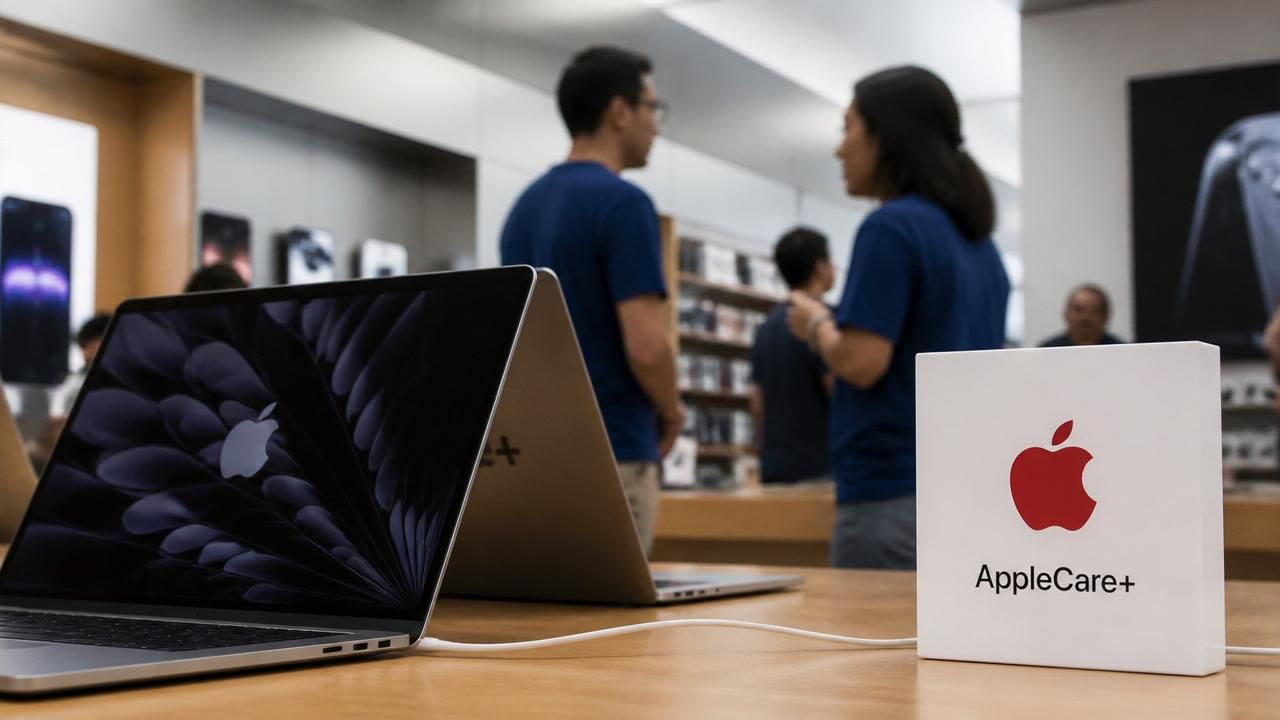
Apple has quietly increased the price of its AppleCare+ extended warranty plans for Macs and iPads, with monthly fees rising by $0.50 and annual plans increasing by $5 for new subscribers, according to a report from Bloomberg's Mark Gurman. The move follows a similar price hike for iPhone AppleCare+ plans last year and comes amid a broader trend of rising costs across Apple's product lineup, including battery replacements and, potentially, new hardware due to a global memory chip shortage.
The Price Hike Details
According to Gurman, the new pricing for a 13-inch MacBook Air AppleCare+ plan has increased to $7.99 per month (up from $7.49) or $79.99 per year (up from $74.99). Similar increases apply to other Mac and iPad models. Existing subscribers will not see their rates change, but new customers signing up will pay the higher prices. Apple has not yet updated its U.S. website or terms of service to reflect the change, and the company has not responded to requests for comment.
The increase comes as Apple reportedly shifts its AppleCare+ model toward a subscription-only approach, moving away from one-time upfront payments. This aligns with the company's broader push into services revenue, which has become a key growth driver as hardware sales mature.
Battery Replacement Costs Also Rise
In a related move, Apple has increased battery replacement prices by $20 to $50 across various devices, as reported by The Verge. For example, replacing an iPhone battery now costs $99, up from $79 for older models. MacBook battery replacements have also seen significant increases. These changes affect out-of-warranty customers and those without AppleCare+.
Broader Context: Memory Chip Shortage and Inflation
The price hikes are occurring against a backdrop of rising component costs, particularly for memory chips. A global shortage of DRAM and NAND flash memory, driven partly by surging demand from data centers and AI applications, has increased Apple's manufacturing expenses. As noted by TechRepublic and other outlets, Apple has absorbed some of these costs but is now passing them on to consumers. Apple CEO Tim Cook has described the situation as a 'hundred-year flood,' referring to the supply chain disruptions and inflationary pressures affecting the tech industry.
Some analysts view the AppleCare+ price increase as a strategic move to boost services revenue, while others see it as a necessary adjustment to maintain margins. TheStreet and AOL have raised questions about whether iPhone shoppers will face similar hikes, especially with the iPhone 16 expected later this year.
Industry Reactions and Consumer Impact
Consumer reactions have been mixed. Some loyal Apple customers express frustration at the cumulative cost of ownership, while others note that AppleCare+ remains a valuable option for those who want peace of mind. The subscription model shift may make extended warranties more accessible in the short term but could lead to higher long-term costs for users who keep devices for several years.
TechRepublic and AppleInsider have highlighted that AppleCare+ offers comprehensive coverage, including accidental damage and technical support, which can justify the price for many users. However, the rising costs may push some consumers to consider third-party insurance or self-insurance.
Looking Ahead
With memory chip prices expected to remain elevated through 2025, further price adjustments on Apple hardware and services are possible. Apple's next major product launch, the rumored iPhone Fold in 2026, could also come with higher price tags. For now, consumers should budget for these incremental increases when planning their next Apple purchase.
As always, it's advisable to compare the cost of AppleCare+ against potential repair expenses. For many, the added cost may still be worth it—but the trend is clear: Apple's services and repairs are getting more expensive.