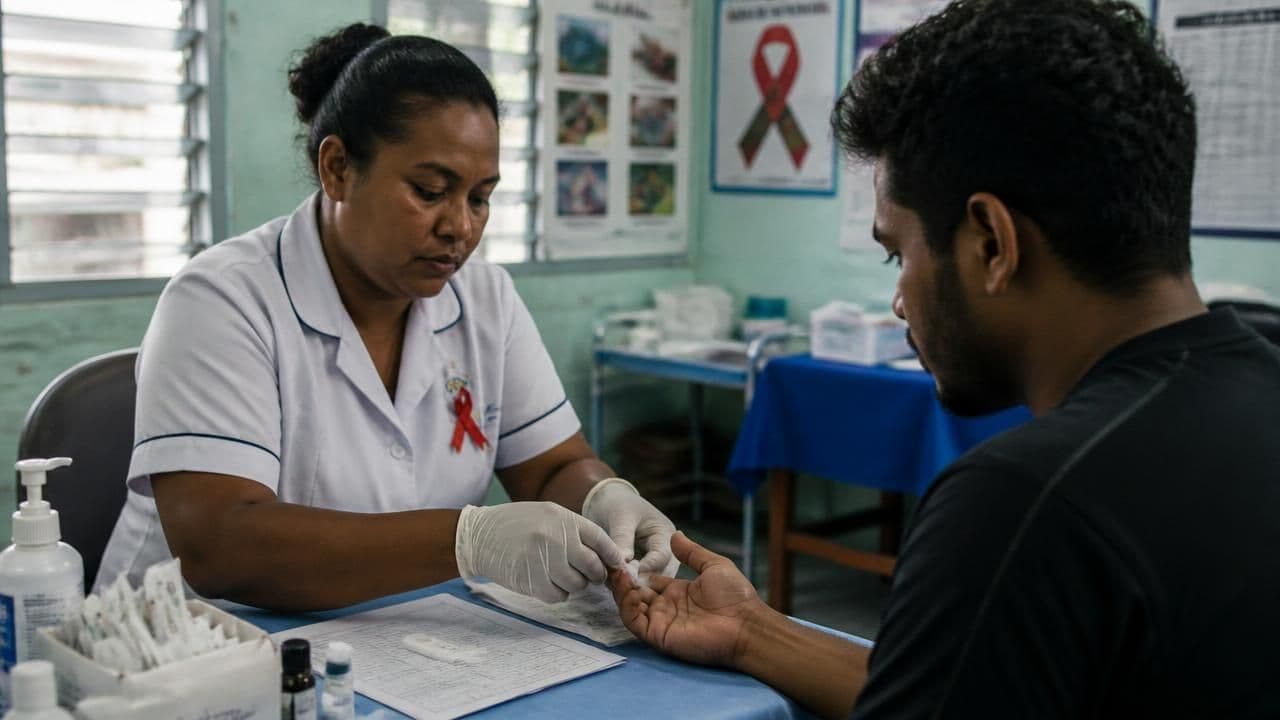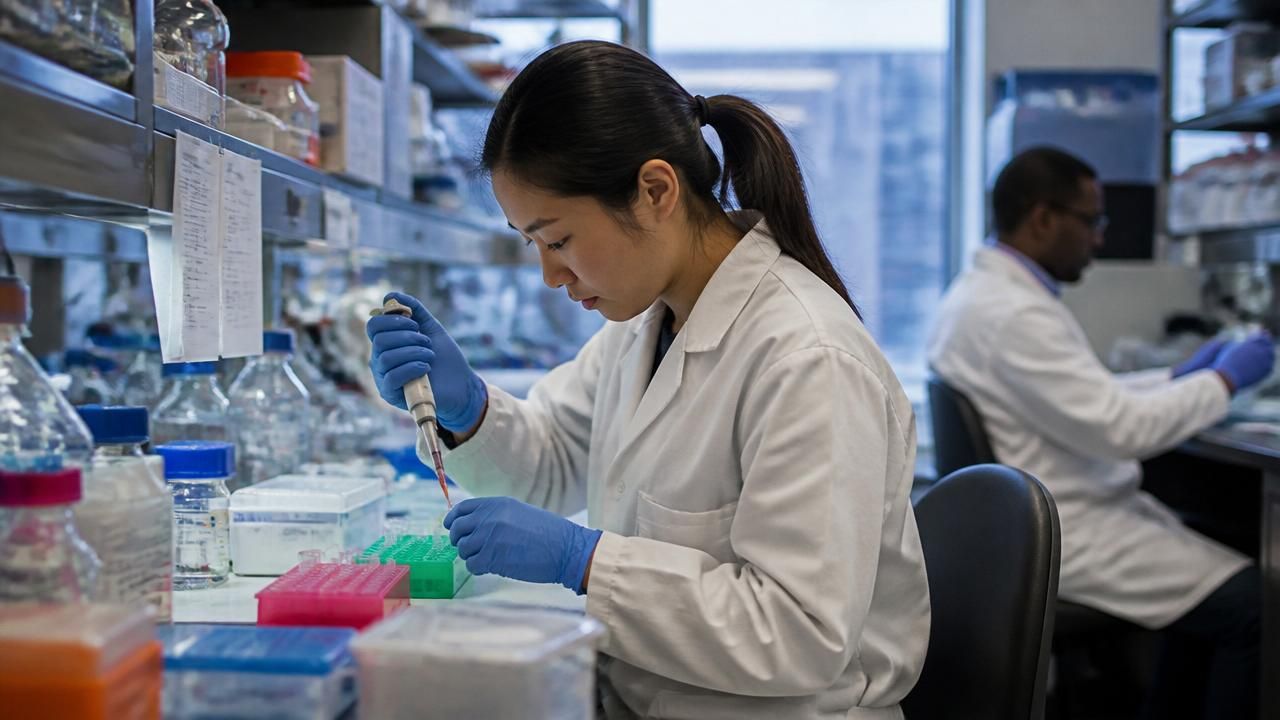
Across the United States, the landscape of biomedical research is undergoing a seismic shift. Federal funding cuts to the National Institutes of Health (NIH), initiated by the Trump administration, have disrupted cancer research and clinical trials, leaving scientists, patients, and advocates grappling with uncertainty. A survey by NPR found that 93% of cancer researchers who study disparities reported that federal policy changes have affected their work, with funding becoming harder to secure and progress slowing. The cuts, which total more than $1.8 billion according to NBC News, have terminated hundreds of clinical trials and affected over 74,000 research participants, as reported by STAT News and People magazine.
Scope of the Disruption
The NIH funding cuts have had a sweeping impact. A report from STAT News noted that over 74,000 people enrolled in experiments have been affected, while a study cited by FierceBiotech found that hundreds of clinical trials have been disrupted. The cuts have not only halted ongoing studies but have also led to the termination of grants at major institutions. For instance, Northwestern University researchers are seeking reinstatement after millions in NIH grants were terminated, as reported by The Daily Northwestern. Similarly, Meharry Medical College lost a $2 million HIV/AIDS grant, described as 'catastrophic' by the Tennessee Lookout.
Impact on Cancer Research and Disparities
Cancer researchers focusing on disparities have been particularly hard hit. The American Association for Cancer Research (AACR) released its Cancer Disparities Progress Report 2026, highlighting the setbacks. According to Cancer Health, the report underscores how funding cuts threaten progress in understanding and addressing cancer disparities. The American Society of Hematology (ASH) warned that NIH cuts could set back cancer research and endanger patients, as reported by DocWire News. The cuts also affect breast cancer research, as noted by Breastcancer.org, which emphasized the importance of NIH funding for advancing treatments and understanding the disease.
Broader Consequences for Science and Health
The cuts extend beyond cancer. The Trump administration's attack on environmental protections, as reported by the Center for American Progress, is expected to increase cancer-causing pollution, compounding the health risks. Meanwhile, the disruption of a unique maternal health database has rattled researchers, according to STAT News. The Veterans Affairs (VA) agency has also experienced chaos due to DOGE cuts, as detailed by The New York Times. At the same time, a new tool from UCL reveals that disruption of immune cells in blood is linked to cancer outcomes, highlighting the innovative research that could be stalled.
Institutional and Regional Effects
Universities across the country are feeling the strain. California universities have been hit hard, putting research in limbo, according to EdSource. Yale researchers fear lasting damage, as reported by the Yale Daily News, while University Health and medical researchers in Chicago face uncertainty, per WTTW News. The Supreme Court allowed $783 million in NIH cuts to proceed, dismissing objections from higher education, as noted by The Duke Chronicle. The cuts have thrown science into a 'downward spiral,' researchers and advocates told the Georgia Recorder. Senate Democrats and researchers are warning that the cuts are wreaking havoc in the fight against disease, as reported by News from the States.
Political and Advocacy Responses
The cuts have sparked strong reactions. Senate Democrats have held hearings, and the Diabetes Association was in uproar after members were expelled from an annual meeting over a protest of NIH cuts, according to STAT News. The AACR's progress report serves as a call to action, emphasizing the need to reverse the funding declines. Advocates argue that lives and livelihoods are at stake, as reported by Cancer Therapy Advisor. The cuts also affect older adults, with Kiplinger noting that government research cuts hit this demographic particularly hard.
Expert Perspectives and Data Points
Experts emphasize the long-term implications. 'These cuts are not just about money; they are about slowing the pace of discovery and harming patients who depend on clinical trials,' said a researcher quoted by NPR. A survey by the American Progress group found that 93% of disparities researchers have been affected. The cuts have also led to layoffs at the NIH, as reported by Breastcancer.org. The international dimension is also concerning, with the ACS journal warning that the US retreat on research funding is dimming the future of international cancer research.
Looking Ahead
As the Trump administration continues to push for cuts, the future of NIH-funded research remains uncertain. Researchers are calling for reinstatement of terminated grants, and advocates are urging Congress to restore funding. The impact on clinical trials, disparities research, and patient care could be felt for years. The scientific community is mobilizing, but the road ahead is fraught with challenges. The cuts represent a fundamental shift in US science policy, with potential consequences for global health leadership.