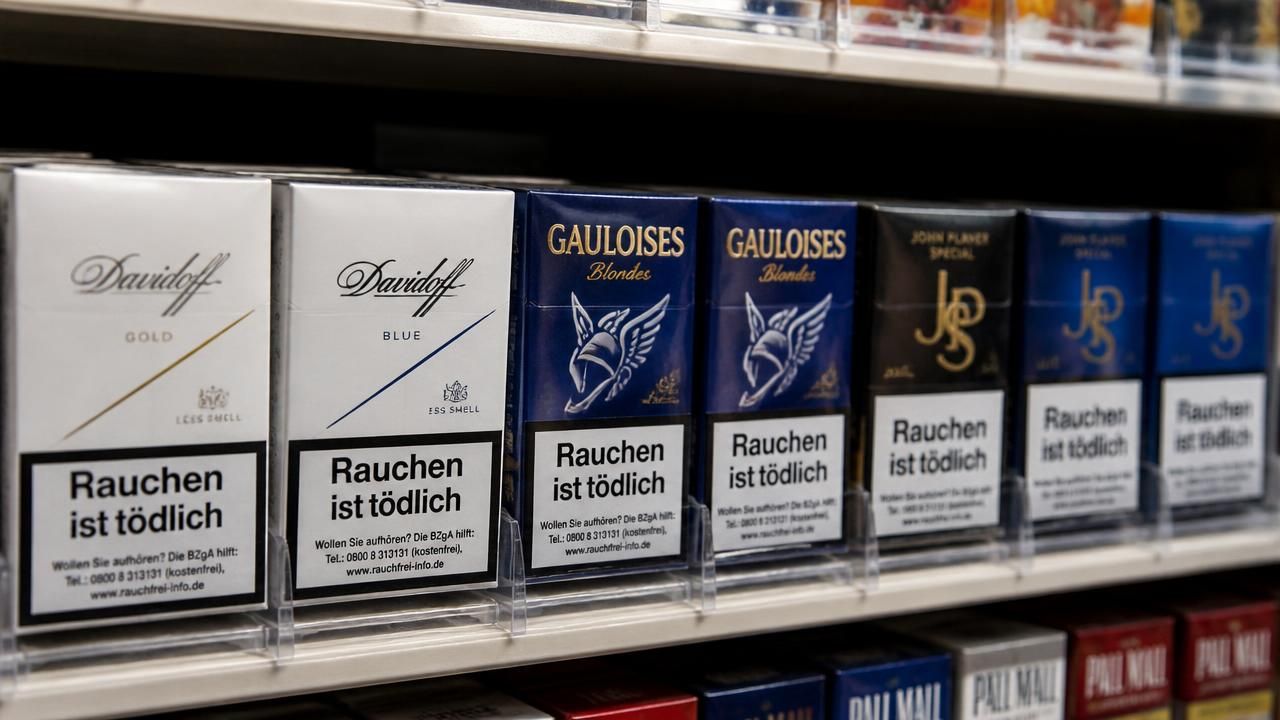
Two of the world's largest tobacco companies are weighing a potential takeover of Imperial Brands Plc, the British cigarette maker behind brands such as Davidoff, Gauloises and JPS, in a move that could reshape the global tobacco industry and rank among the largest UK acquisitions in a decade.
Bloomberg first reported that Altria Group Inc., the US owner of Marlboro, and Japan Tobacco Inc. are exploring a potential takeover of Imperial Brands. The reports were quickly amplified by MSN, The Guardian and MarketScreener, while Reuters published an explainer on the tobacco giants circling the London-listed company. None of the companies involved has publicly confirmed a bid, and the reports did not disclose terms, financing or whether Altria and Japan Tobacco would pursue a joint offer or separate approaches.
Market reaction
Investors reacted sharply. Blockonomi reported that Imperial Brands stock jumped 14% as news of the possible approach circulated, a sign that shareholders see strategic value in a combination even as the cigarette market shrinks. Imperial Brands, formerly Imperial Tobacco, is one of the world's major cigarette producers and has a substantial presence in Europe, Africa and Asia-Pacific. Its shares have historically traded at a discount to some larger peers, making it a perennial subject of takeover speculation.
Altria and Japan Tobacco are exploring a potential takeover of Imperial Brands, according to Bloomberg, in what would be one of the biggest UK acquisitions in a decade.
The players and the stakes
Altria is the exclusive US manufacturer and marketer of Marlboro cigarettes and has been trying to move beyond combustible tobacco through investments in oral nicotine and vaping products. Japan Tobacco, meanwhile, controls flagship brands including Winston, Camel outside the United States, and Mevius, and has pursued overseas growth as its home market matures. Imperial Brands owns a portfolio that includes Davidoff, West, JPS and the blu vaping brand, giving any acquirer added scale in both cigarettes and reduced-risk products.
The strategic logic is straightforward. Cigarette volumes are falling across most developed markets as smoking rates decline, taxes rise and regulators tighten rules on packaging, advertising and flavouring. That has pushed tobacco companies to consolidate in order to cut costs, pool distribution and negotiate better terms with suppliers and retailers. Scale also helps fund the transition to next-generation products, where margins are thinner and competition from both established players and newer entrants is intense.
Why consolidation is accelerating
The reported interest in Imperial Brands fits a broader wave of consolidation. Altria has faced pressure to diversify as its core cigarette business declines, while Japan Tobacco has looked abroad for growth. A deal would give either company more exposure to Imperial's international footprint and could unlock cost synergies. Bloomberg framed the move as an acceleration of consolidation in a declining cigarette market, while The Guardian focused on the identity of the bidder, describing Altria as the Marlboro maker considering a takeover bid. The difference in emphasis reflects the story's dual nature: it is both a corporate finance event and a signal of how the tobacco industry is restructuring in response to long-term decline.
Regulatory and political hurdles
Any formal bid would face significant scrutiny. A takeover of a major UK-listed company would be subject to the UK Takeover Code, which governs how and when a bidder must make a formal offer and disclose its intentions. Competition authorities in the UK, European Union and other jurisdictions would likely examine overlaps in cigarettes, roll-your-own tobacco and vaping. Altria's US position and Japan Tobacco's global reach could also attract attention from antitrust regulators in Washington and Tokyo.
Political risk is another factor. Tobacco remains a heavily regulated industry, and governments are wary of further concentration in a sector already dominated by a handful of players. Public health groups may argue that consolidation gives the industry more lobbying power, while investors may argue that scale is necessary to finance safer alternatives. The reports come as regulators in several countries consider stricter rules on nicotine products, including disposable vapes, which could affect the value of Imperial's blu and other next-generation brands.
What happens next
The key question is whether the exploration turns into a formal approach. Under UK rules, a potential bidder may need to clarify its intentions within a set period if it has made an approach to the board. Imperial Brands shareholders will want a premium, while Altria and Japan Tobacco will need to justify a price in a declining industry. The involvement of two possible suitors could create a competitive situation, but it could also complicate talks if their interests overlap or if one prefers a solo bid.
For now, the story remains at the exploration stage. The reports have given Imperial Brands a sharp share-price lift and intensified speculation about the next phase of tobacco consolidation. Whether it becomes one of the UK's biggest deals in a decade depends on diligence, financing and regulatory clearance. What is already clear is that the world's tobacco giants see scale as essential to surviving the decline of cigarettes and financing the transition to alternative products.