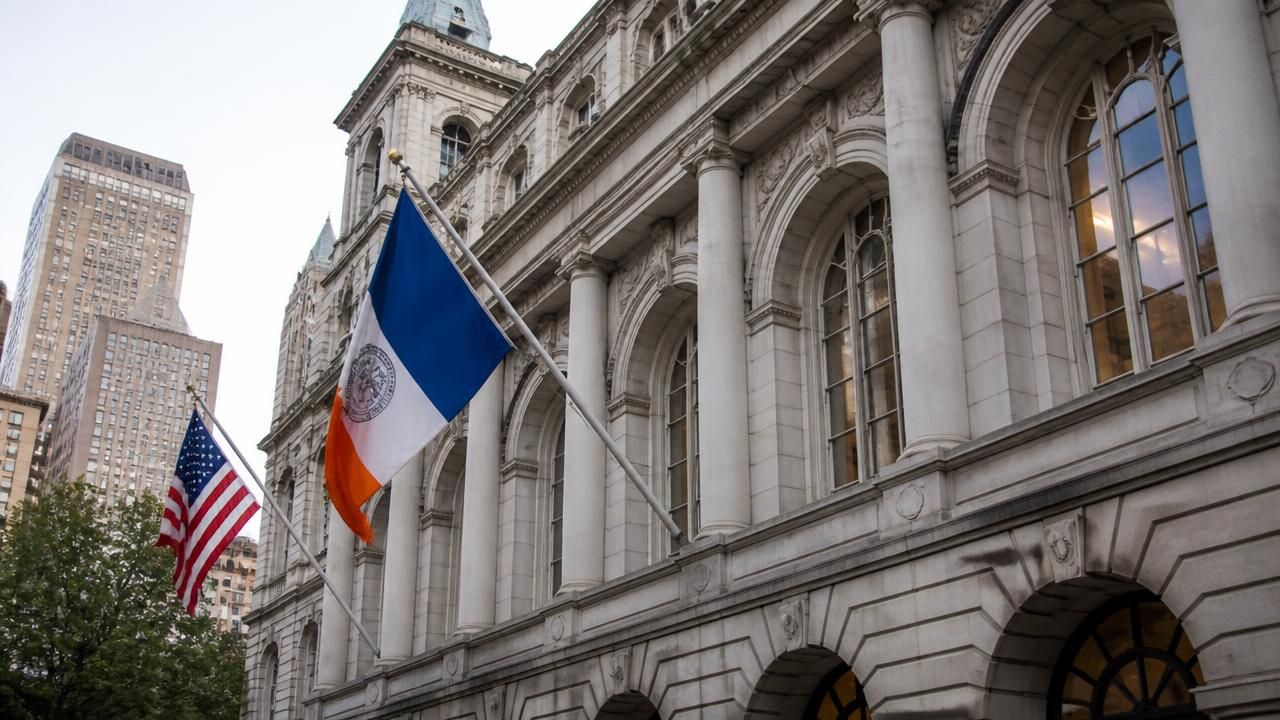
New York City lawmakers voted overwhelmingly this week to bar retailers and app-based services from setting prices based on the personal data they collect about individual shoppers, making the city the largest U.S. jurisdiction to take on the practice known as "surveillance pricing." The Council approved the measure 44-5, according to Reclaim The Net, capping a debate that has moved rapidly from academic concern to front-line consumer politics.
The vote in New York follows Seattle's move to become the first American city to prohibit surveillance pricing specifically at grocery stores, and it lands as the Federal Trade Commission pursues a broad inquiry into whether major companies are charging customers different prices based on data harvested from their web history, smart devices, and apps.
What is surveillance pricing?
The term describes a family of techniques in which companies use granular personal data — browsing behavior, location, device type, purchase history, even age — to infer what a given customer is willing to pay, then adjust the price accordingly. Unlike traditional dynamic pricing, which responds to demand across a market, surveillance pricing responds to the individual.
Ars Technica frames the shift in starkly personal terms, describing a world in which a shopper "could end up paying more for my TV because of where I am or more for a software subscription because of my age." The publication argues the practice "obfuscates the value of products, challenges smart shopping and budgets, and makes it harder for people to get products and services at a fair price" — eroding the simple, shared assumption that "it costs what it costs."
Retailers and loyalty programs are central to the ecosystem, since membership cards, apps, and accounts supply much of the data that fuels personalized offers — and, critics contend, personalized markups. Reporting from MSN and USA Today has focused on how consumers can tell whether they are paying more than their neighbors, and on the practical difficulty of doing so when prices are set invisibly and change by user.
New York's vote and the fight over discounts
In New York, the 44-5 margin signals broad political consensus, but the fight is not over. A business group told the New York Post exclusively that New Yorkers will lose discounts if what it calls "poorly written" surveillance pricing bills become law — the core industry argument that personalized pricing is simply the modern version of coupons, loyalty rewards, and targeted promotions.
That tension is already visible in the private sector. DoorDash has publicly said it will not use customer data to raise prices, but Inc. reports that the company's stated exceptions could undermine that promise — a case study in how corporate commitments can leave room for the very practices regulators are trying to stop.
Seattle leads on groceries; Washington and London take notice
Seattle went first, becoming the first U.S. city to ban surveillance pricing on groceries, according to USA Today and Yahoo. Grocery stores have drawn particular scrutiny because food is a necessity and because digital shelf labels and app-linked loyalty accounts make individualized pricing technically easy and hard to detect. In London, MPs heard that surveillance pricing could lead to more expensive groceries for some shoppers, extending the debate to the United Kingdom.
The FTC's inquiry has widened the frame beyond retail. The agency is probing whether major U.S. companies charge customers different prices using personal data, a study that could produce enforcement action or new rulemaking. Meanwhile, MSN reports that surveillance pricing has begun surfacing in midterm election campaigns, turning a technical privacy issue into a stump-speech topic.
Competing frames
The disagreement is less about whether the practice exists than about what it means. Consumer advocates and outlets such as Ars Technica and Reclaim The Net cast it as a privacy and fairness problem: data gathered for one purpose is repurposed to extract more money from people with less leverage to shop around. Business groups and some retailers cast the same technology as discounting — a way to serve price-sensitive customers — and warn that blunt bans will eliminate savings along with the algorithms.
“Surveillance pricing leverages data collected from our web history, smart devices, and apps with the goal of getting us to pay more.” — Ars Technica
Marketplace notes that bans are gaining traction precisely because the practice is difficult for consumers to see, let alone prove. Enforcement will hinge on definitions: which data counts as personal, whether aggregated demand signals are exempt, and how regulators audit pricing engines that may weigh hundreds of variables.
What comes next
- New York City's ban must be implemented and defended against legal and lobbying challenges from business groups.
- Seattle's grocery-specific rule offers a template for other cities weighing narrower, sector-by-sector bans.
- The FTC's investigation could produce federal guidance, enforcement actions, or a rulemaking that outpaces city ordinances.
- Companies that have promised not to raise prices using personal data will face pressure to publish auditable policies rather than broad assurances with exceptions.
For consumers, the practical advice remains unsatisfying: compare prices across accounts and devices, log out where possible, and treat loyalty programs as data transactions rather than pure savings. For policymakers, the New York vote marks a turning point — the moment surveillance pricing stopped being a footnote in privacy debates and became a regulated practice in the largest U.S. city.