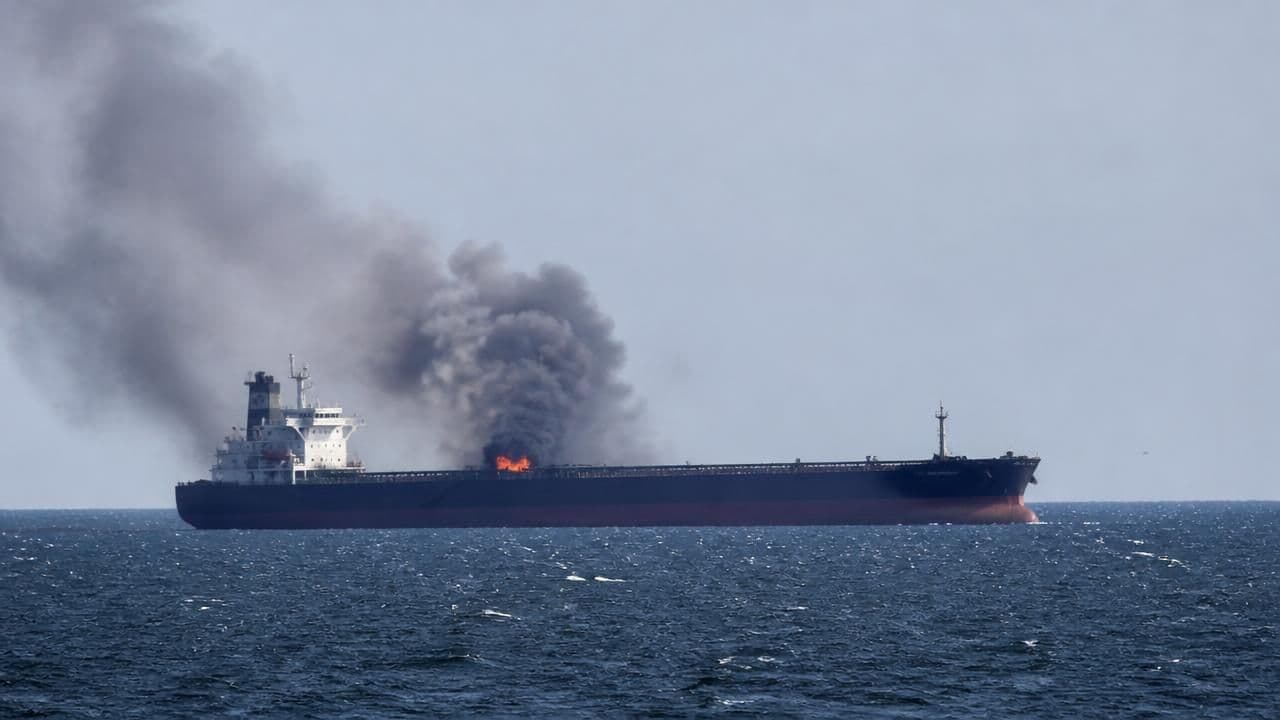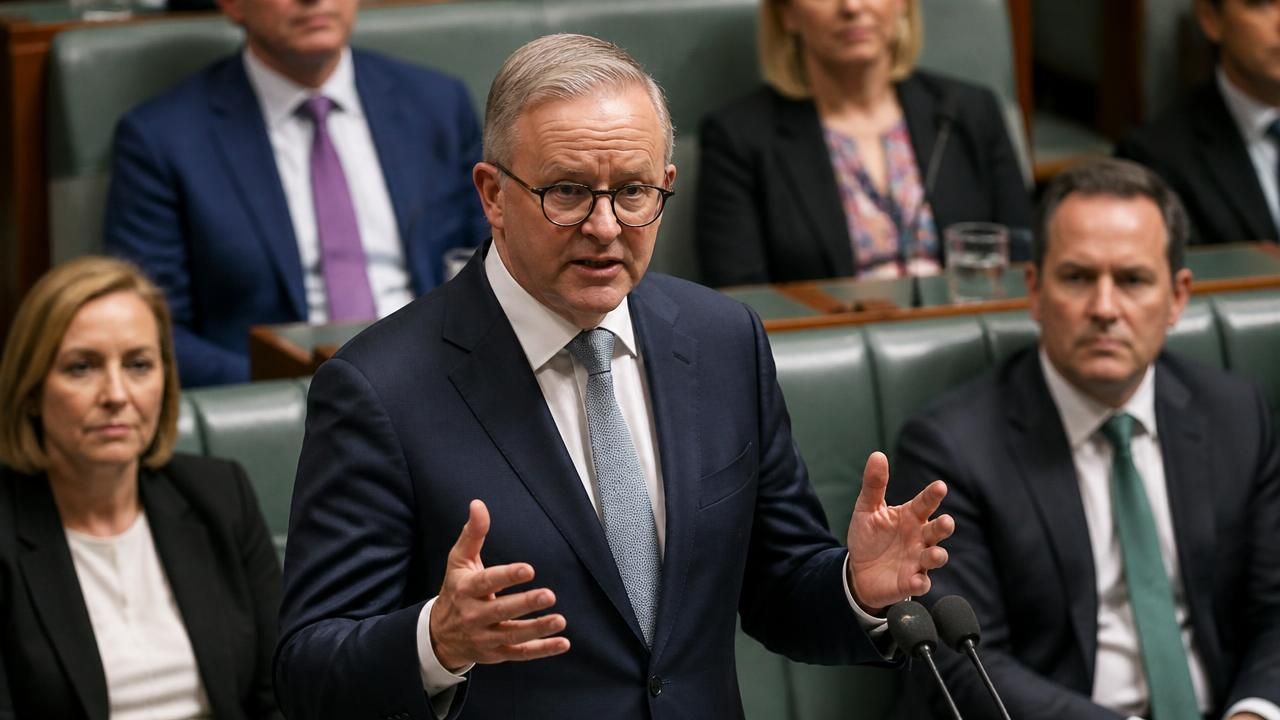
Australia's attempt to reshape its gas market is heading for a Senate showdown this week, with the Labor government's reservation plan buoyed by a committee endorsement but still short of a guaranteed majority as the opposition coalition demands amendments and Western Australia's special treatment sparks a fresh constitutional fight.
The proposal, aimed at forcing liquefied natural gas exporters to increase supply to the domestic market, is one of the most consequential energy-policy tests for Prime Minister Anthony Albanese's government. It comes as households and manufacturers face pressure over gas costs and supply, while exporters warn that heavy-handed intervention could deter the investment needed to keep Australia among the world's largest LNG suppliers.
What the plan would do
At its core, the reservation scheme would require LNG exporters to make more gas available to Australian users before shipping surplus volumes overseas. Supporters say it would bolster domestic energy security and put downward pressure on prices. The government has insisted the mechanism is not a blank cheque for regulators or producers.
The plan is "not a blank cheque," the government has insisted, according to MSN.
MSN also captured the competing warning in the debate with the phrase "higher prices," a reminder that both sides are trying to frame the cost argument. Ministers argue that rejecting the plan would leave the domestic market more exposed to international price shocks; critics say adding reservation obligations could chill supply and ultimately raise costs.
Senate arithmetic and Coalition demands
Reuters reported that the reservation scheme gained the backing of a Senate committee, giving Labor a procedural lift before the vote. But committee support does not bind the full chamber, and the numbers remain fragile. NT News reported that Labor faces a possible defeat in the Senate as the Coalition demands major changes, while news24.com.au said Labor is warning senators against rejecting the scheme and the Coalition is seeking changes to protect investment.
Bloomberg Markets reported that the opposition coalition has raised more concerns about the plan ahead of the legislation being voted on this week. The Coalition's argument is not necessarily a rejection of domestic supply goals but a challenge to the design: it wants safeguards that it says would preserve investment certainty and avoid unintended consequences for export contracts and future projects.
Western Australia's carve-out and the constitutional claim
The most contentious wrinkle is Western Australia. News.com.au reported that WA secured a permanent carve-out from the gas reservation scheme, a recognition that the state already operates its own domestic gas policy and is central to Australia's LNG export industry. The exemption is politically sensitive because it would create different rules on either side of the country.
According to news.com.au, Pauline Hanson described Western Australia's permanent carve-out as "unconstitutional." The claim is a political and legal flashpoint rather than a settled court finding, but it underscores how the bill is being contested on federalism grounds as well as energy economics.
Markets, climate talks and the wider frame
The debate is rippling into equity markets. Ad-hoc-news.de framed the Senate test around Wesfarmers stock after a gas bill report, suggesting investors are watching energy-intensive Australian companies as a proxy for the bill's cost implications. OilPrice.com reported that Australia is exploring a gas phase-out deal in talks on the reservation scheme, adding a climate-transition dimension to a debate that is often framed narrowly around prices and supply.
The differing coverage shows how the same vote is being read through different lenses. Bloomberg Markets emphasizes investor and opposition concerns; Reuters focuses on the Senate committee process; NT News and news24.com.au highlight the chamber's political arithmetic; MSN carries the government's messaging; news.com.au foregrounds WA and the constitutional objection; OilPrice connects the bill to the broader gas transition; and ad-hoc-news.de tracks the market reaction.
What happens next
If Labor can hold the Senate, the reservation scheme would mark a significant shift in how Australia manages its gas wealth, giving domestic users priority access at a time of global volatility. If the Coalition and crossbench succeed in amending or blocking it, the government would face a costly political defeat and would need to return with a revised package.
Either way, the vote will be watched closely by LNG exporters, manufacturers, investors and climate advocates. The central question is whether Australia can design a reservation mechanism that lowers domestic prices and improves security without undermining the investment case for a sector that remains central to the national economy—and to the energy transition now being negotiated alongside it.