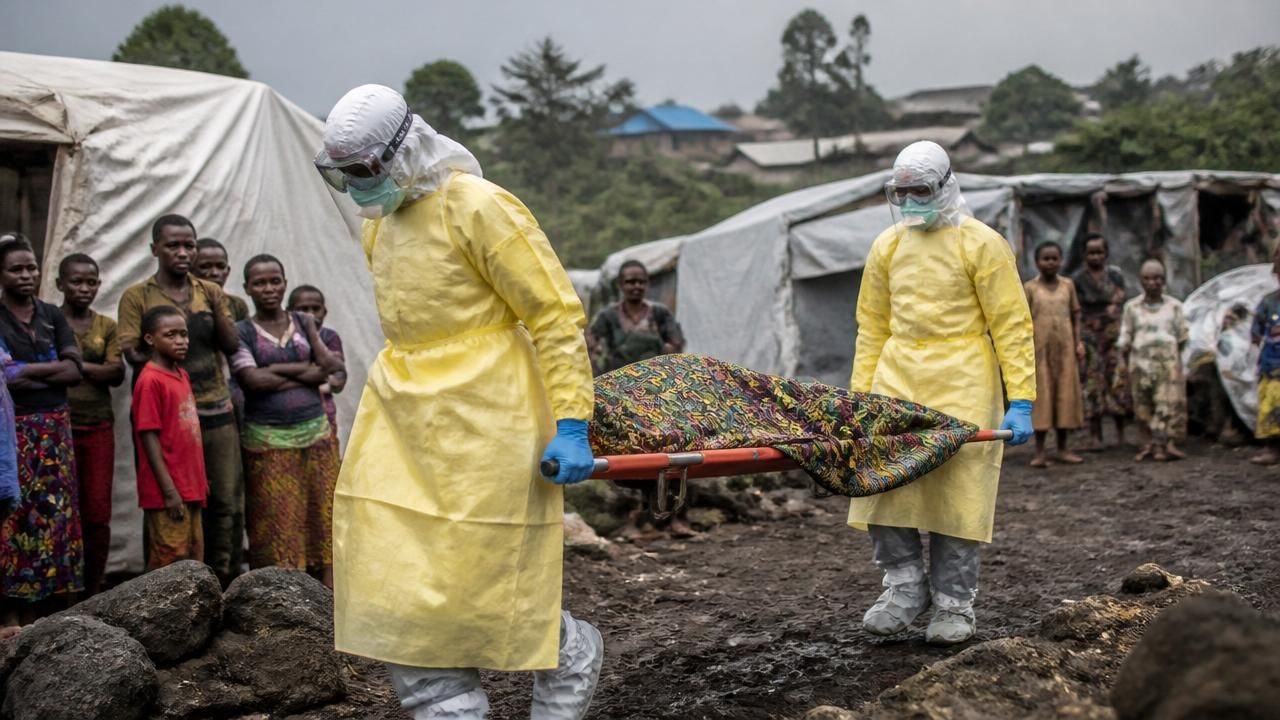
The Ebola outbreak in eastern Democratic Republic of Congo is escalating at an alarming rate, with health officials warning that the virus is spreading faster than they can track. According to the World Health Organization (WHO), 80 percent of new Ebola cases are emerging from unknown chains of transmission, a stark indicator that the outbreak is outpacing containment efforts. As of the latest reports, confirmed cases have surpassed 1,000, and the death toll has exceeded 700, with more than a quarter of those infected dying.
Uncontrolled Spread in a Conflict Zone
The outbreak, centered in North Kivu and Ituri provinces, is unfolding in a region plagued by armed conflict and population displacement. This has severely hampered the response of health workers, who face not only the virus but also violence and mistrust from local communities. The WHO has described the situation as a 'perfect storm' for a major epidemic. In a camp for displaced people near the city of Goma, at least 30 deaths have been reported, raising fears that the virus could be spreading rapidly in crowded, unsanitary conditions.
Rapid Increase in Cases
Data from multiple sources underscore the acceleration. CBS News reported that confirmed Ebola cases in Congo topped 1,000, with 254 deaths at that time. However, the death toll has since climbed. Newsday noted a nearly 40% increase in cases in just one week, while the death toll passed 200. Reuters highlighted that at least 30 deaths at a single camp showed the potential for rapid spread. The Los Angeles Times reported that the death toll reached 600, with new cases suspected in previously unaffected provinces, indicating geographic expansion.
“Ebola is spreading fast in DR Congo,” warned the WHO, as quoted by wfmz.com. “The outbreak is outpacing the response,” echoed officials from KERA News.
Framing the Crisis: Differing Perspectives
Different news outlets have emphasized various aspects of the crisis. NPR and its affiliates (Houston Public Media, Keranews) focused on the tracking difficulties and the 80% unknown transmission figure, framing the story as a failure of surveillance. CBS News and Newsday highlighted the sheer numbers—cases topping 1,000 and a 40% weekly increase—emphasizing the scale. Reuters drew attention to specific incidents, like the camp deaths, to illustrate how the virus exploits vulnerable populations. The Los Angeles Times provided context on the geographic spread to new provinces, suggesting the outbreak is not contained. MSN aggregated headlines from multiple sources, including a piece asking why experts warn this could be the 'worst ever,' citing factors like community resistance, insecurity, and the virus's spread to urban areas.
Historical Context and Expert Views
This is the 10th Ebola outbreak in the DRC, but it is already the second largest in history, after the 2014-2016 West Africa epidemic that killed over 11,000. Experts fear this one could surpass that if not controlled. Dr. Michael Ryan, executive director of WHO's Health Emergencies Programme, has stated that the outbreak is in a 'very concerning phase,' with the virus spreading to areas that were previously unaffected. The use of an experimental vaccine has helped, but vaccine hesitancy and logistical challenges limit its impact. Additionally, the region's instability makes it difficult to conduct contact tracing, a cornerstone of Ebola containment.
Implications and the Way Forward
The implications of this outbreak extend beyond the DRC. Neighboring countries like Rwanda, Uganda, and South Sudan are on high alert, and the WHO has declined to declare a Public Health Emergency of International Concern (PHEIC), though some experts argue it should. The international community has pledged support, but funding shortfalls and access restrictions persist. The situation demands a coordinated, multifaceted response that addresses both the medical and sociopolitical challenges. As the virus continues to spread faster than it can be tracked, the window to contain it is narrowing.
In summary, the Ebola outbreak in eastern Congo is at a critical juncture. With cases rising by nearly 40% in a week, over 1,000 confirmed infections, and more than 700 deaths, the response is struggling to keep pace. The convergence of a deadly virus, armed conflict, and community mistrust creates a volatile mix that, without urgent intervention, could lead to a catastrophe. The world is watching, and the time to act is now.