WASHINGTON — A must-pass spending bill to keep the federal government open past next month has become the center of a larger political fight over President Donald Trump’s Iran war, with Senate Democrats drafting new limits on war funding and weighing the December deadline as leverage, according to NPR, Politico and MSN.
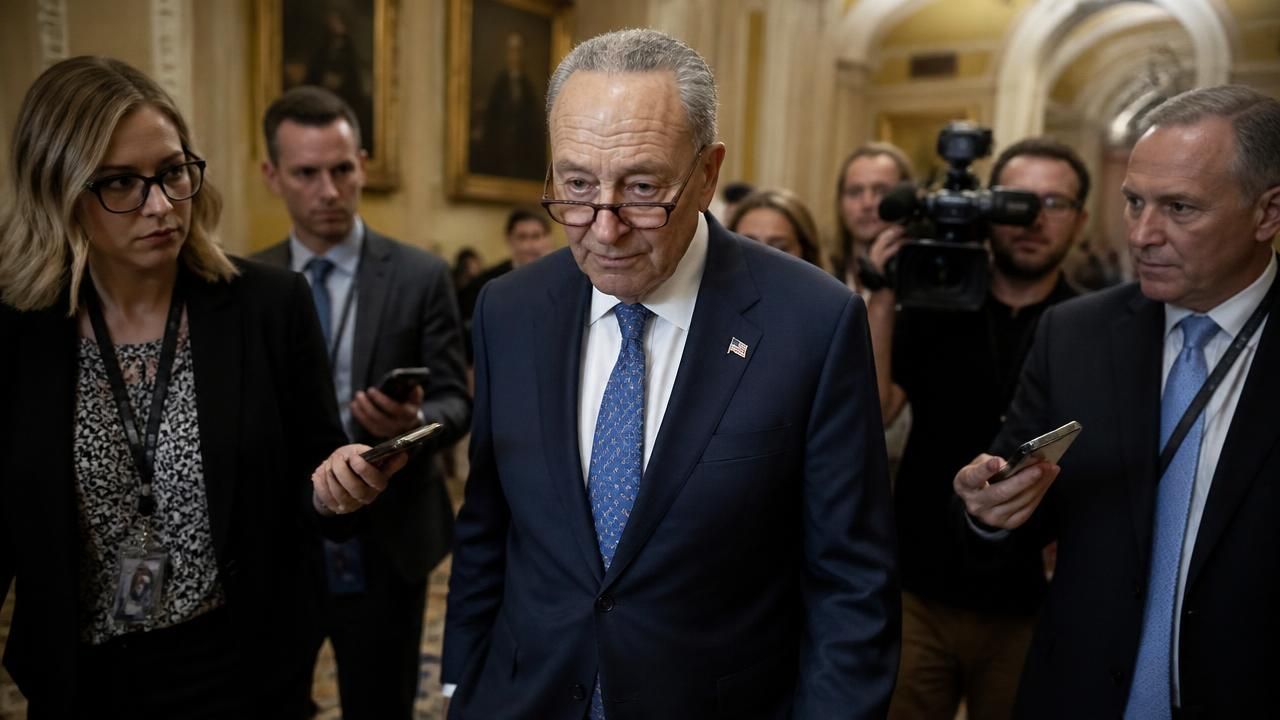
The immediate trigger is familiar: Congress must pass a funding measure to avert a shutdown. But the Iran war has divided lawmakers and given Democrats a rare point of pressure. NPR reported that Democrats aim to block Iran war funding, while Politico reported that Democrats are drafting a curb on Iran war cash. MSN reported that Senate Democrats are weighing the December funding deadline to force an end to the war. In effect, the shutdown clock is now a war-powers clock.
Senate Republicans block war-powers bid
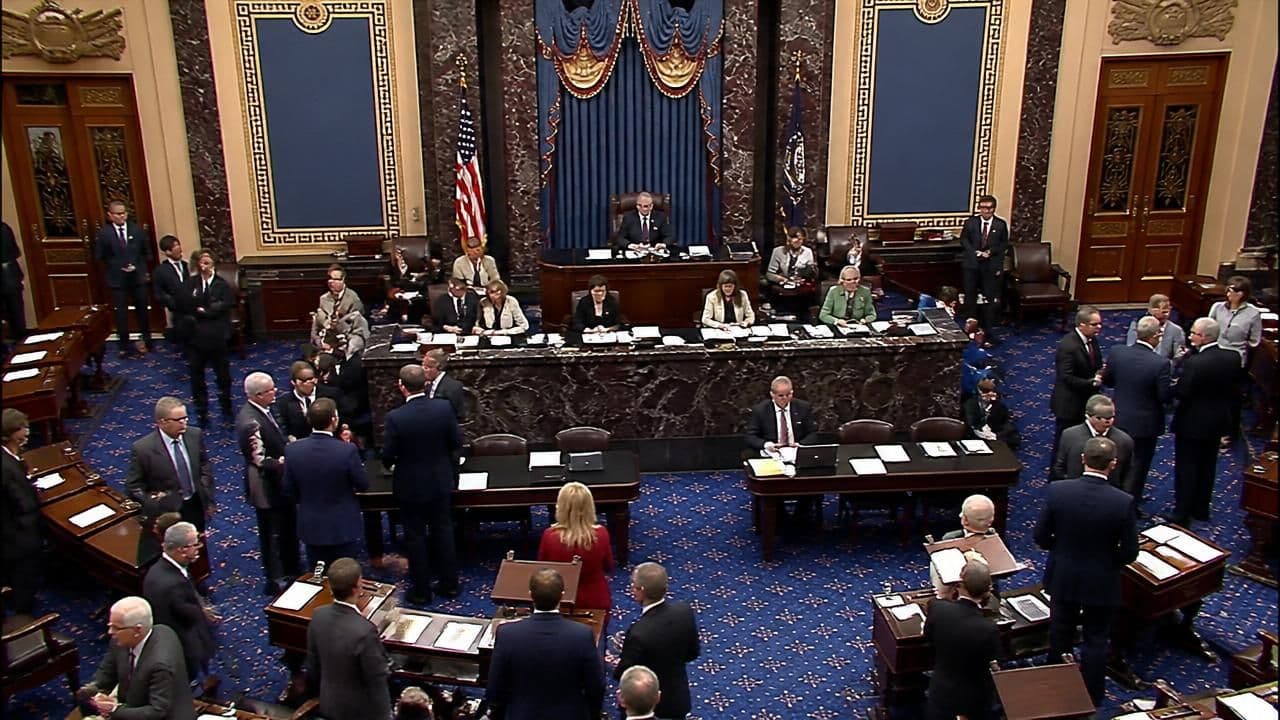
On the Senate floor, Republicans blocked a bid to rein in Trump on Iran, according to The New York Times, AP and MSN. The resolution was backed by Democrats and some Republican rebels, but it failed as most Republicans stood with the president. MSN described the outcome as a failure for Democrats and GOP rebels to rein in Trump in the Senate — but also warned that a bigger battle looms. The New York Times framed the vote as Senate Republicans blocking a bid to rein in Trump; AP emphasized that Republicans were backing Trump; MSN’s headline said simply that Senate Republicans blocked the Iran war resolution.
“Effectively over,” Trump said of the Iran war, according to AP, as he stood by Defense Secretary Pete Hegseth ahead of a House impeachment bid.
The competing frames matter. For war critics, the vote shows Congress still cannot check a president’s military authority even when the war is unpopular. For Trump’s allies, it shows Republicans closing ranks behind a commander in chief who says the war is militarily “effectively over.” For Democrats, the loss in the Senate makes the spending bill more important: if they cannot pass a war-powers resolution, they can try to attach conditions to money the Pentagon needs.
Hegseth impeachment and election-year crosscurrents
The Iran fight is colliding with other Washington battles. AP reported that Trump says the Iran war is militarily “effectively over” and stands by Hegseth ahead of a House impeachment bid. Yahoo reported that House Republicans blocked an effort to impeach Hegseth in a near party-line vote, and that Rep. Thomas Massie introduced articles of impeachment. The near party-line result underscores how little crossover support there is for punishing the defense secretary, even as the war remains divisive.
Election-year politics are adding pressure. Yahoo’s midterm 2026 updates reported that Trump is questioning election results, that Mississippi and Alaska Senate races are still too close to call, and that Massie introduced articles of impeachment. Those developments suggest the Iran war and the Hegseth fight will be woven into campaigns for Congress, where control of the House and Senate will determine whether Democrats can force an end to the war when they take Congress — a question MSN raised but did not answer.
Diplomacy, hemp and other items in the governing scramble
The same week’s news roundups show how crowded the agenda has become. NBC News reported that Trump returned home after a historic summit with Xi and Putin, a diplomatic development that could reshape the Iran debate even as lawmakers fight over funding. Cannabis Business Times reported that the spending bill remains the best bet to nix or delay a hemp product ban, making the funding measure a vehicle for unrelated policy fights. And NPR noted that the Army is delaying a lead azide detonation in Iowa, warning that waiting could become dangerous — a domestic safety item that sits alongside the shutdown and war debate in the same congressional roundup.
In Nebraska, the state Supreme Court denied a county board’s appeal to block the unsealing of records, according to the Journal Star. The ruling is separate from the Iran war and shutdown fight, but it illustrates how state-level transparency battles continue while Washington focuses on the funding deadline.
What happens next
The next test is the December funding deadline. Democrats can try to use the must-pass bill to block Iran war funding, delay or narrow military authorities, or force votes that put Republicans on record. Republicans can try to strip those provisions and keep the government open with GOP votes. The risk is a shutdown that neither party wants but each may calculate it can blame on the other.
For now, the Senate vote has settled little. It showed that most Republicans will back Trump on Iran, that a handful of GOP rebels are willing to break ranks, and that Democrats see the spending bill as their best remaining lever. Whether that lever works depends on how badly the government needs to stay open — and how badly voters want the Iran war to end.