A massive outbreak of the diarrheal parasite Cyclospora has swept across the United States, with Michigan bearing the brunt of the crisis. As of July 14, the state reported 3,309 cases of cyclosporiasis—a dramatic surge from the typical 50 cases seen in recent years. Nationwide, the outbreak has sickened more than 4,000 people across at least 17 states, prompting investigations that have zeroed in on Taco Bell and contaminated lettuce.
Outbreak Details and Symptoms
Cyclospora cayetanensis, a microscopic parasite, causes cyclosporiasis, characterized by urgent bouts of watery diarrhea, abdominal cramps, nausea, and sometimes vomiting. The illness can last weeks if untreated and poses serious risks to vulnerable populations. In Michigan alone, 44 people have been hospitalized, though no deaths have been reported. The parasite is typically spread through ingestion of contaminated food or water, with outbreaks often linked to fresh produce.
Michigan: Epicenter of the Crisis
Michigan health officials have been on high alert. The Michigan Department of Health and Human Services (MDHHS) conducted interviews with over 1,000 sickened individuals, pointing to leafy greens as the likely source. "Our data strongly suggests that contaminated lettuce is driving this outbreak," said a spokesperson. The state's case count—3,309 as of mid-July—represents an explosive increase that has overwhelmed local health departments.
Taco Bell Under Scrutiny
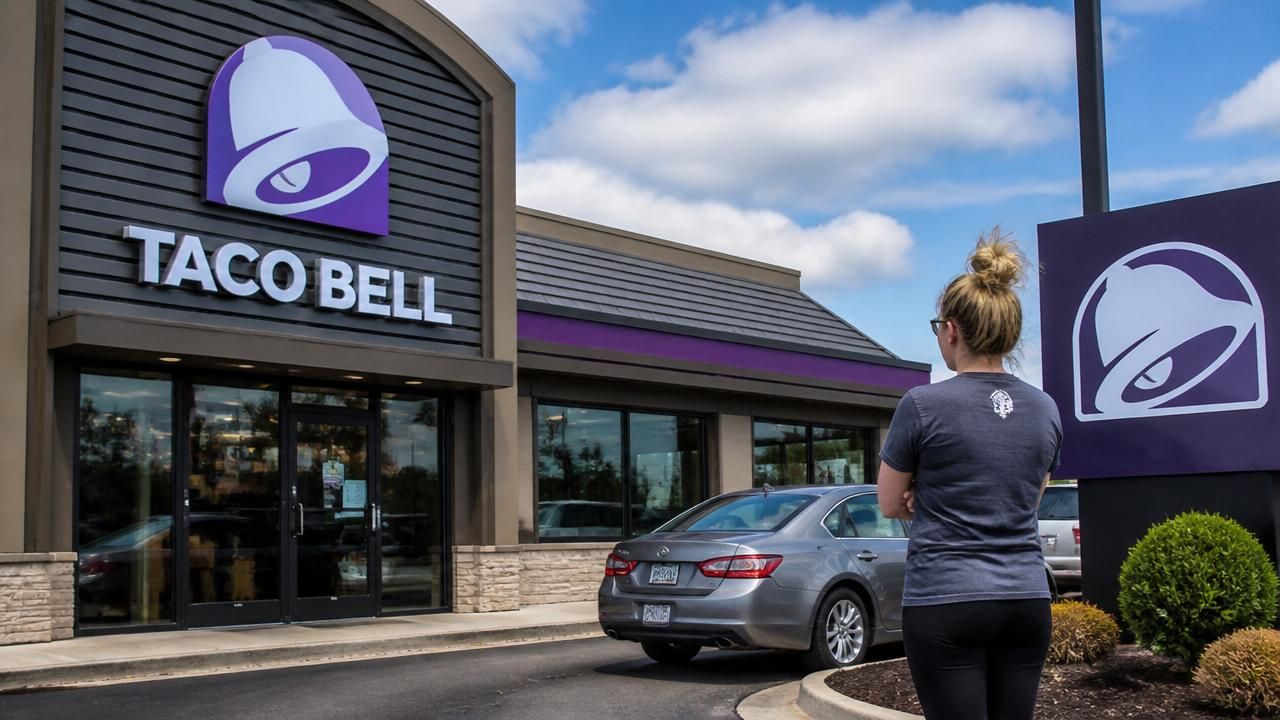
Multiple sources, including Ars Technica, Kotaku, and the Detroit Free Press, have reported that Taco Bell is at the center of the investigation. The fast-food chain has voluntarily removed lettuce and cilantro from its Michigan locations, a move confirmed by a company spokesperson. "We are cooperating fully with health authorities and have taken precautionary measures to ensure customer safety," the spokesperson said. While Taco Bell has not been officially named as the sole source, the correlation is strong: many affected individuals reported eating at the chain before falling ill.
"We are cooperating fully with health authorities and have taken precautionary measures to ensure customer safety." — Taco Bell spokesperson
Investigative Challenges
Despite the mounting evidence, pinpointing the exact source has proven difficult. As Newswav reported, "Mystery grows as experts can't pinpoint the source." The parasite's incubation period—typically one to two weeks—complicates trace-back efforts. Additionally, Cyclospora is not commonly tested for, meaning many cases may go undiagnosed. The U.S. Food and Drug Administration (FDA) and Centers for Disease Control and Prevention (CDC) are assisting state officials, but a definitive source has yet to be identified.
Broader Implications and Industry Impact
The outbreak has sent shockwaves through the fast-food industry. Taco Bell's parent company, Yum! Brands, faces a public relations crisis, as noted by Seeking Alpha: "Taco Bell has an 'explosive' PR problem." The chain's swift menu changes aim to mitigate consumer concern, but the financial impact could be significant. Meanwhile, McDonald's, which recently weathered a separate E. coli outbreak, has been cleared by the CDC after a thorough investigation—highlighting the ongoing challenges of food safety in the industry.
Consumer Guidance
Health officials advise consumers to wash all produce thoroughly, though this may not eliminate Cyclospora entirely, as the parasite is resistant to standard chlorine washes. Cooking kills the parasite, but for raw items like lettuce, the risk remains. Anyone experiencing prolonged diarrhea should seek medical attention and request testing for Cyclospora. The outbreak serves as a stark reminder of the vulnerabilities in the food supply chain.
Historical Context
Cyclospora outbreaks are not new. In 2018, a similar outbreak linked to salad mix sickened hundreds across the U.S. and Canada. However, the scale of the current outbreak—exceeding 4,000 cases—is unprecedented. The parasite is endemic in tropical regions but has become a recurring issue in North America, often tied to imported produce. This outbreak underscores the need for enhanced surveillance and rapid response protocols.
Expert Perspectives
Dr. Sarah Johnson, an infectious disease specialist at the University of Michigan, explained: "Cyclospora is particularly insidious because it can cause prolonged illness and is often misdiagnosed as a stomach bug. The sheer number of cases in Michigan is alarming." Public health experts emphasize the importance of robust trace-back systems and stricter import regulations to prevent future outbreaks.
What’s Next?
As the investigation continues, Taco Bell is expected to keep lettuce and cilantro off the menu in affected regions until the source is confirmed. The FDA and CDC are urging healthcare providers to report cases promptly. For now, consumers in outbreak states are advised to stay informed and cautious. The outbreak serves as a critical test of the nation's food safety infrastructure—and a warning that even beloved fast-food chains are not immune to such crises.